Understanding VPN Technology: How it Operates and Different Types of VPNs for Secure Surfing
If you’re searching for a way to protect your online privacy and secure your internet connection, a VPN (Virtual Private Network) is the tool you need. With a VPN, your online activity becomes encrypted and anonymous, making it nearly impossible for anyone to track your location or monitor your browsing habits.
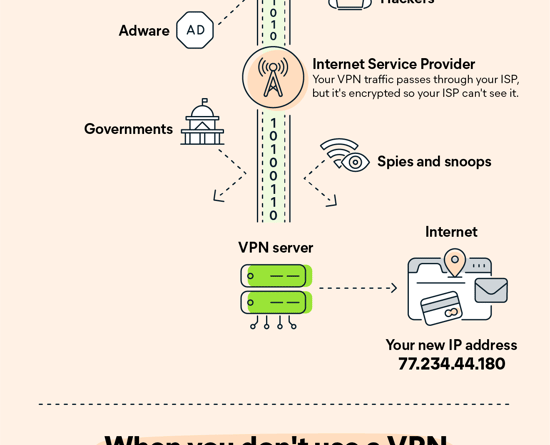
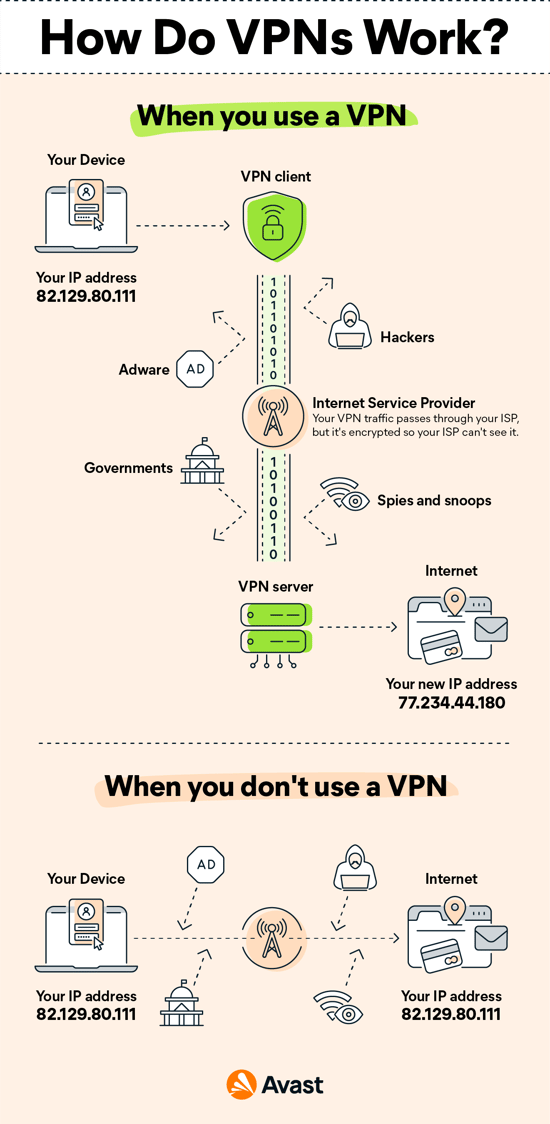
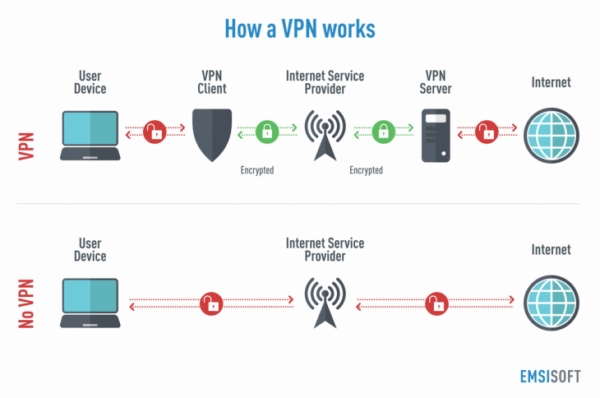
When you connect to a VPN server, all your internet traffic is routed through an encrypted tunnel, preventing your ISP (Internet Service Provider) from seeing what websites you visit or what data you transmit. This also means that any potential hackers or government surveillance agencies will have a hard time intercepting your data.
There are various types of VPNs available, each with its own advantages and features. Some VPN services allow you to simply configure your device or browser to use their VPN servers, while others provide dedicated software applications for better security and ease of use.
One popular VPN service is Surfshark, which not only hides your location but also helps you bypass geographical restrictions. For example, if a certain website or streaming service is only available in certain countries, Surfshark allows you to connect to their servers in those countries and access the content as if you were physically located there.
Another benefit of using a VPN is that it protects your sensitive information from being tracked by third parties. This is especially important when using public Wi-Fi networks, where malicious individuals could intercept your data using various hacking techniques. With a VPN, your connection is encrypted, making it much harder for anyone to steal your personal information.
VPNs can also help you bypass internet censorship imposed by certain governments or institutions. In some countries, websites or online services may be blocked or restricted. By connecting to a VPN server in a different country, you can access these blocked websites and enjoy a free and open internet.
So, why do you need a VPN? Think about how much personal information you share online – your browsing history, your emails, your social media activity – all of this is valuable data that others may be interested in, whether it’s for targeted advertising or even identity theft. With a VPN, you can ensure that your digital footprint remains secure and private.
Furthermore, VPNs also help prevent ISP throttling, where your internet service provider intentionally slows down certain types of internet traffic. By encrypting your connection and making it hard for your ISP to identify what you’re doing, you can enjoy faster and more consistent internet speeds.
In conclusion, a VPN is an essential tool for anyone who values their online privacy and security. It provides a secure and encrypted connection, protects your sensitive information, and allows you to bypass restrictions. Whether you’re a regular internet user, a business owner, or an employee who needs to work remotely, a VPN is a must-have in today’s digital world.
What is VPN and How It Works?

A VPN, or Virtual Private Network, is a secure connection between your computer and the internet. It allows you to browse the web privately and securely by encrypting your internet connection. This means that when you connect to a VPN, all of your online activity is protected from hackers, government surveillance, and other potential threats.
When you use a VPN, your internet traffic is routed through a remote server operated by the VPN company. This server acts as a middleman between your device and the websites or services you are accessing. It allows you to access the internet anonymously, as your IP address and location are hidden.
There are several benefits to using a VPN. First, it ensures that your online activities and personal data are kept private and secure. This is particularly important when using public Wi-Fi networks, as they are often insecure and vulnerable to hackers. A VPN encrypts your internet connection, making it difficult for anyone to intercept your data.
Additionally, a VPN can hide your location, allowing you to bypass geographic restrictions and access content that may be blocked or unavailable in your current location. For example, you can use a VPN to watch Netflix shows that are only available in certain countries, or access websites that are blocked by your government or company.
Setting up a VPN is relatively easy. You can download and install VPN software on your computer or mobile device, and then simply connect to a VPN server. Once connected, all of your internet traffic will be encrypted and routed through the VPN server, ensuring your privacy and security.
It’s important to choose a reputable VPN provider that has a clear privacy policy and does not keep logs of your online activity. This ensures that your data and browsing history are not stored or accessible to anyone, including the VPN company itself.
In summary, a VPN is a powerful tool that hides your location, encrypts your internet connection, and protects your online privacy and security. It allows you to browse the web anonymously and securely, and access content that may be restricted in your location. If you value your privacy and want to ensure your online activities are protected, using a VPN is a good decision.
Understanding the Basics
The first thing to understand about VPN (Virtual Private Network) is how it works. When you connect to the internet, your device is assigned an IP address. This address is like your online identity, and it can be used to track your location and activities. With a VPN, however, your IP address is hidden and replaced with the IP address of the VPN server you connect to. This effectively hides your actual location and makes it difficult for anyone to track your online activities.
One of the main reasons why VPN is important is to ensure your privacy and security online. Without a VPN, your data can be intercepted by hackers and other malicious individuals. By using a VPN, all of your internet traffic is encrypted, protecting it from prying eyes. Additionally, VPN services often come with built-in anti-virus and anti-malware features, further enhancing your online protection.
A VPN also allows you to connect to resources that are otherwise inaccessible. For example, if you’re traveling abroad and need to access your office network, a VPN can be set up to create a secure connection between your device and your office network. This is known as a site-to-site VPN. Similarly, individual users can use a VPN to access geo-restricted content, such as streaming services or websites that are blocked in their country.
When it comes to choosing a VPN service, there are a few important factors to consider. The first is the price. VPN services can vary in price, so it’s important to compare different providers and select one that fits your budget. Secondly, you should look for a VPN that offers multiple server locations. This allows you to select the server location that best suits your needs, such as accessing content from a specific country. Finally, it’s important to read reviews and check the reputation of the VPN service provider to ensure that they are reliable and trustworthy.
Once you have selected a VPN service and created an account, setting up the VPN on your device is usually a straightforward process. Providers often offer step-by-step guides or even dedicated apps to make the setup process as simple as possible. Once the VPN is set up, you can simply switch it on and off as needed to enjoy the benefits of enhanced privacy and security.
FAQs
- Q: Why should I use a VPN?
- A: VPN protects your privacy and security online, hides your location, and allows access to restricted content.
- Q: How does VPN work?
- A: VPN encrypts your internet traffic and routes it through a secure server, hiding your IP address and making it difficult to track your activities.
- Q: Can a VPN hide my browsing history?
- A: Yes, a VPN can hide your browsing history by encrypting your internet traffic.
- Q: Can I use a VPN on multiple devices?
- A: Yes, most VPN providers allow you to use their service on multiple devices simultaneously.
- Q: Are there different types of VPNs?
- A: Yes, there are different types of VPNs, such as site-to-site VPNs and client-to-server VPNs.
Benefits of Using a VPN
A Virtual Private Network (VPN) offers numerous benefits for individuals and businesses alike. Whether you’re at home or in the office, using a VPN can enhance your online experience and ensure the protection of your digital activities.
1. Enhanced Security and Privacy
One of the main benefits of using a VPN is the increased security it provides. By encrypting your data, a VPN protects your sensitive information from being intercepted by others. This is particularly important when using public Wi-Fi networks, as it prevents anyone on the same network from accessing your personal data or monitoring your online activities.
2. Bypassing Geo-Restrictions
A VPN allows you to access websites and content that may be restricted in your region. By connecting to a server in a different location, you can bypass any geographic restrictions and access websites, streaming platforms, and social media platforms without limitations. This is particularly useful for individuals traveling abroad who want to watch their favorite shows on platforms like Netflix or access websites that may be blocked in their current location.
3. Increased Anonymity
Using a VPN ensures that your online activities and your IP address are not directly linked to your physical location. By routing your internet traffic through the VPN server, your IP address is masked, making it difficult for anyone to trace your online activities back to you. This provides an extra layer of privacy and anonymity, protecting your identity and keeping your browsing history confidential.
4. Bandwidth Optimization
In some cases, your internet service provider (ISP) may impose limitations on your bandwidth or throttle certain types of internet traffic. By using a VPN, you can bypass these restrictions and optimize your bandwidth usage. This can be particularly useful for streaming videos or downloading large files, as a VPN can help you avoid any limitations or slowdowns imposed by your ISP.
5. Secure Remote Access
For businesses, a VPN can provide a secure solution for remote access to company networks and resources. Instead of relying on physical connections or open Wi-Fi networks, employees can connect to the company’s VPN and access the necessary files and data securely from anywhere in the world. This ensures that sensitive company information remains protected and allows for more flexible work arrangements.
6. Protection against Data Tracking and Targeted Advertising
When you browse the internet without a VPN, your online activities can be tracked and monitored by various entities, including advertisers. Using a VPN encrypts your internet traffic and masks your IP address, making it difficult for third parties to track your online activities and target you with personalized ads. This helps maintain your online privacy and gives you more control over the information that is collected about you.
In conclusion, using a VPN offers many benefits including enhanced security and privacy, bypassing geo-restrictions, increased anonymity, bandwidth optimization, secure remote access for businesses, and protection against data tracking and targeted advertising. By encrypting your data and masking your IP address, a VPN ensures that your online activities remain private and protected, no matter where you’re connected.
Types of VPN
There are several types of VPNs available that offer different levels of privacy and functionality to suit various needs. Here are some key types of VPN:
- Remote Access VPN: This type of VPN allows users to securely access their company’s resources and networks from a remote location. It ensures that the data transmission is encrypted, protecting the privacy of the user.
- Site-to-Site VPN: This type of VPN is used to connect multiple office locations or networks securely. It allows for seamless communication between different sites, making it easier to share data and resources.
- Intranet VPN: An intranet VPN is designed to connect different devices within a single network, such as within a company or organization. It provides secure access to shared resources and allows for efficient collaboration and communication.
- Extranet VPN: An extranet VPN is used to connect different networks belonging to different organizations or companies. It enables secure sharing of resources and data between trusted parties.
- Mobile VPN: A mobile VPN provides a secure connection for users who are frequently on the move, such as those using smartphones or tablets. It ensures that their internet traffic is encrypted and their data is protected, even when connected to public Wi-Fi networks.
Each type of VPN serves a specific purpose and offers unique features. Depending on your needs, you can choose the type of VPN that provides the level of privacy and functionality you require.
Remote Access VPN
A Remote Access VPN is a type of VPN that allows smartphone users, or remote users, to securely connect to a private network from any location in the world. This means that users can access content, such as websites or online services, that may be restricted based on their country or location.
When using a Remote Access VPN, users can be sure that their identity and location remain secure. The VPN client encrypts the user’s traffic, making it difficult for anyone else to intercept or access the data. This essentially means that others, including internet service providers and potential hackers, cannot see what the user is doing or access their sensitive information.
The main function of a Remote Access VPN is to securely connect a user’s device, such as a smartphone or laptop, to a private network. This ensures that the user’s internet traffic is encrypted and protected while being sent over the public internet. It also allows users to access resources and services that may only be available on the private network, without physically being in the same location.
Remote Access VPNs are an effective solution for individuals who want to hide their exact location or bypass geographic restrictions. Whether someone wants to access content that is blocked in their country, or simply wants to browse the internet more securely, a Remote Access VPN can make it easier to maintain privacy and security online.
One popular Remote Access VPN provider is Surfshark. Surfshark offers a range of features and protocols to ensure that user data remains secure and private. This includes protocols like SSL, which encrypts data sent between the user’s device and the VPN server, making it difficult for anyone to steal or intercept the data.
When selecting a Remote Access VPN provider, it’s important to consider factors such as the provider’s privacy policies, the number of server locations available, and the overall speed and performance of the VPN. Additionally, users should always make sure to choose a strong password and be cautious of their online behavior to further protect their identity and data.
Site-to-Site VPN
A Site-to-Site VPN, also known as a router-to-router VPN, is a comprehensive solution that allows for secure communication between multiple devices at different physical locations. It works by creating a virtual tunnel that encrypts all data transferred between the devices, ensuring that it cannot be read or intercepted by anyone else.
With a Site-to-Site VPN, each device is connected to a router that acts as the gateway to the VPN. This router handles the encryption and decryption process, providing a secure connection for all devices on the network.
One of the key benefits of a Site-to-Site VPN is that it hides the location of the devices connected to it. This means that even if someone were to track the IP address of a device, they would only see the IP address of the VPN server, not the actual location of the device.
Another advantage is that a Site-to-Site VPN allows for seamless switching between physical locations. This means that if you’re working on a document on one device and need to switch to another location, you can continue working without any interruptions.
Site-to-Site VPNs are commonly used by companies with multiple offices or remote workers. They provide a secure and reliable way for employees to access company resources, such as servers and sensitive data, from any location.
If you’re wondering how to set up a Site-to-Site VPN, it usually requires some technical knowledge and a certificate from a trusted authority. However, there are plenty of resources available online, including comprehensive FAQs and step-by-step guides, to help you through the process.
In conclusion, a Site-to-Site VPN is a powerful tool that provides a secure and encrypted connection between multiple devices at different physical locations. It allows for seamless switching and enables users to hide their location while securely accessing company resources or engaging in activities such as gaming, media downloading, or online banking.
Mobile VPN
A Mobile VPN is a type of VPN that is specifically designed for use on mobile devices. With the increasing use of smartphones and tablets, it has become essential for individuals and businesses to have a secure and reliable way to access the internet while on the go.
There are different kinds of Mobile VPNs that can be used to connect to the internet. Some are provided by internet service providers, while others are standalone apps that can be downloaded and installed on the device. No matter what kind of Mobile VPN you choose, it works by creating a secure and encrypted connection between your device and the internet.
One of the main advantages of using a Mobile VPN is that it hides your location. This means that when you are connected to the internet through a Mobile VPN, your real IP address is hidden and replaced with the IP address of the VPN server. This makes it difficult for anyone to track your online activities or identify your location.
In addition to hiding your location, a Mobile VPN also encrypts all the data that is sent and received over the internet. This means that even if someone is able to intercept your internet traffic, they would not be able to read or access any of the information.
Using a Mobile VPN can provide you with comprehensive privacy and security while you are surfing the internet. Whether you are browsing websites, accessing online banking, or using social media apps, a Mobile VPN ensures that all your sensitive information and data remains completely secure and protected.
Switching your mobile internet connection to a Mobile VPN can be as easy as toggling a switch or installing an app. Once you have activated the Mobile VPN, all your internet traffic is routed through a secure server before reaching its destination. This ensures that your privacy and identity are always protected, no matter where you are.
It is important to remember that using a Mobile VPN does not only hide your location and encrypt your data, but also provides you with access to region-restricted content. This means that you can access websites, apps, and online services that may not be available in your current location.
Overall, a Mobile VPN is a must-have tool for anyone who values their privacy and wants to ensure that their online activities and personal information are always safe and secure. Whether you are a casual user or a business professional, using a Mobile VPN can greatly enhance your internet experience and give you peace of mind.
Cloud VPN
A Cloud VPN, or Virtual Private Network, is a tool that allows you to connect to the internet securely and privately through servers located in various locations around the world. When you use a Cloud VPN, your internet traffic is encrypted and routed through these remote servers, which helps to hide your location and ensure your privacy.
How Does Cloud VPN Work?
When you visit a website or use an online service, your internet connection goes through an ISP (Internet Service Provider) and can be easily traced back to your home or office. However, when you use a Cloud VPN, your connection is redirected through remote servers. This means that the website or service you’re visiting sees the IP address of the VPN server, not your actual IP address.
Cloud VPN services use different protocols to create a secure connection between your device and the server. These protocols, such as OpenVPN, are designed to encrypt your data and protect it from being intercepted by third parties. This ensures that your online activities and personal information are kept private and secure.
Benefits of a Cloud VPN
There are many benefits to using a Cloud VPN. Firstly, it allows you to access geo-restricted content. For example, if you’re traveling abroad and want to watch a TV show or access a website that is only available in your home country, a Cloud VPN can help you bypass these restrictions and access the content you want.
In addition, a Cloud VPN protects your data from hackers and cybercriminals. By encrypting your internet traffic, it ensures that your personal information, such as passwords and credit card numbers, cannot be intercepted and stolen.
Furthermore, a Cloud VPN can also protect you from your ISP and prevent them from throttling your internet speed. Your ISP may slow down your connection when you’re streaming or downloading large files, but with a Cloud VPN, your traffic is hidden and they cannot see what you’re doing.
Lastly, a Cloud VPN allows you to browse the internet anonymously. Your IP address is masked, and your online activities are not tracked by websites or advertisers. This helps to protect your privacy and ensures that you can surf the web without being constantly targeted with ads or having your personal data collected.
Choosing the Right Cloud VPN
When selecting a Cloud VPN service, there are a few factors to consider. One is the number of servers and their locations. The more servers a VPN service has, the better the performance and the more options you have to connect to different locations around the world.
Another factor is the price and payment options. Some VPN services offer free plans with limitations, while others require a monthly or yearly subscription. It’s important to choose a VPN that fits your budget and offers a payment method that you’re comfortable with.
Additionally, consider the compatibility and ease of use. Check if the VPN service supports multiple devices and if they have browser extensions for easy setup. Also, look for a VPN that offers comprehensive customer support and clear instructions on how to set up and use their service.
In conclusion, a Cloud VPN is a valuable tool that provides secure and private internet access. It offers numerous benefits and allows you to protect your personal data and online activities from prying eyes. Whether you’re connected to a public Wi-Fi hotspot or simply want to browse the web anonymously, a Cloud VPN is an essential tool for better online privacy and security.
How VPN Works
A VPN, or Virtual Private Network, is a technology that allows you to create a secure connection between your computer or smartphone and the internet. In simple terms, it helps to hide your browsing activity and protect your data from being intercepted by unauthorized parties.
When you use a VPN, your internet traffic is routed through a network of servers located in different areas or countries. This means that your actual IP address, which is tied to your geographical location, is masked and replaced with the IP address of the server you are connected to. As a result, it is much harder for others to track your online activities and determine your real location.
In addition to hiding your location, a VPN can also help you bypass certain restrictions and access blocked content. For example, if a website or online service is only available in a specific country, you can use a VPN server located in that country to access the content as if you were physically there.
Furthermore, a VPN encrypts your internet connection, which adds an extra layer of security. This means that even if someone manages to intercept your data, they will not be able to decipher it without the encryption key. This is especially important when using public Wi-Fi networks, where your data is more vulnerable to being intercepted by hackers.
VPN services can be installed on various devices and operating systems, including Windows, Mac, iOS, and Android. They usually require you to create an account and provide a username and password for authentication. Some VPN providers also offer additional security features, such as malware protection and ad blocking.
In summary, a VPN is an effective tool for keeping your online identity and browsing activities secure. It helps to hide your location, bypass restrictions, and keep your data encrypted. Whether you are searching for information, accessing geo-restricted content, or simply want to protect your privacy, a VPN can be a valuable resource.
VPN Encryption
When it comes to VPNs, encryption is a crucial feature. When you connect to a VPN, all of your data is encrypted before it leaves your device and travels through the internet. This means that even if someone were to intercept your data, they would only see a jumbled mess of characters, making it nearly impossible to decipher.
A VPN might use various encryption protocols to ensure the security of your data. For example, OpenVPN is a popular protocol that uses industry-standard encryption methods to protect your information. Other protocols like IPSec and L2TP can also be used depending on the VPN service you choose.
Encryption is especially important when accessing social media or visiting insecure websites. When you browse the internet without a VPN, your data can be easily intercepted by hackers or even the government. With encryption, your connection becomes secure, and your personal information is protected.
A VPN can also help you deal with certain geographical restrictions. For example, if a certain website or streaming service is only available in a specific country, you can use a VPN to hide your location and access the content you want. The VPN will encrypt your connection and make it appear as though you’re browsing from a different location.
Furthermore, VPN encryption can help protect your data when using public Wi-Fi. Public Wi-Fi networks are often insecure and can be easily hacked. When you connect to a public Wi-Fi network, anyone on the same network can potentially see your online activities. However, with a VPN, your connection is encrypted, ensuring that your data remains safe from prying eyes.
Finally, encryption ensures that your browsing history and online activities remain private. Without a VPN, your internet service provider (ISP) can track your online activities and sell your data to advertisers. However, when you use a VPN, your data is encrypted, and your ISP cannot see what you’re doing online. This helps to keep your online activities completely anonymous and private.
In conclusion, VPN encryption is an effective tool to secure your online connection and protect your personal information. Whether you’re concerned about your privacy, need to bypass geographical restrictions, or want to ensure the security of your data on public Wi-Fi networks, a VPN with strong encryption can help you achieve these goals. So, make sure to choose a VPN provider that offers robust encryption to keep your online activities secure and your data private.
VPN Protocols
VPN protocols are the set of rules that determine how your connection is established and secured when using a VPN service. There are different protocols available, each with its own advantages and features.
OpenVPN
One of the most popular VPN protocols is OpenVPN. It is known for its high level of security and flexibility, making it suitable for a wide range of applications. OpenVPN requires third-party software to be installed on your device, but once set up, it provides a secure and private connection.
L2TP/IPSec
L2TP/IPSec is another commonly used protocol that provides a strong level of encryption. It is often used on mobile devices, such as Android and iOS, as it is built-in and requires no additional installation. This protocol is known for its ability to hide your location and protect your online activities.
WireGuard
WireGuard is a newer VPN protocol that is gaining popularity due to its simplicity and high-speed performance. It can be easily installed on various platforms, including routers, and offers a secure and private connection. WireGuard is designed to be lightweight and efficient, making it ideal for gaming and streaming.
PPTP
PPTP is one of the oldest VPN protocols, but it is not as secure as some of the newer options. It is easy to set up and is supported by many devices and operating systems. However, due to its less secure nature, it is not recommended for sensitive activities like online banking or downloading sensitive files.
IKEv2
IKEv2 is a protocol that offers a good balance between security and speed. It is known for its ability to quickly establish a connection and maintain a stable and secure connection, even when switching between networks. IKEv2 is often used by mobile VPN apps and is a popular choice for many users.
In conclusion, VPN protocols play a crucial role in ensuring a secure and private connection. Different protocols offer various levels of security, performance, and compatibility, so it’s important to choose the right one for your needs. Whether you want to hide your location, protect your online activities, or securely connect to a company network, there is a VPN protocol that can meet your requirements.
VPN Servers and IP Addresses
A VPN (Virtual Private Network) is a technology that allows for a secure and private connection between you and the internet. When you connect to a VPN server, your data is transferred through an encrypted tunnel, ensuring that it remains confidential and protected from unauthorized access.
VPN servers act as intermediaries between your computer and the internet. When you connect to a VPN, your internet traffic is routed through the VPN server before reaching its destination. This allows you to browse the internet and access online services while appearing as if you are located in a different location.
VPN servers have their own IP addresses. These IP addresses can be shared among multiple users, making it more difficult for others to track your online activities or identify your true location. By using a VPN server, you can disguise your real IP address and make it appear as if you are connecting from a different country.
There are different types of VPN protocols that VPN providers use, including OpenVPN, L2TP/IPsec, and PPTP. Each protocol has its own advantages and security features, so it’s important to choose the one that best suits your needs.
By connecting to a VPN server, you can hide your true location and access geo-restricted websites and online services. For example, you can use a VPN to access Netflix content that is only available in certain countries, or to bypass internet censorship in countries where certain websites or services are blocked.
In addition to hiding your location, a VPN also provides an extra layer of security for your online activities. By encrypting your internet traffic, a VPN can protect your personal data from being intercepted or compromised by hackers or other malicious entities. This is especially important when using public Wi-Fi networks or when accessing sensitive information, such as online banking or shopping websites.
VPN servers are compatible with a wide range of devices, including computers, smartphones, and routers. Whether you want to surf the web anonymously, download files securely, or stream media content without restrictions, a VPN can help you achieve your goals.
So, whether you’re a frequent traveler, an avid gamer, or someone who values online privacy and security, a VPN is a solution that can help you keep your data safe and your identity protected.
Choosing the Right VPN Provider
When it comes to choosing the right VPN provider, there are a few key factors to consider. First, you want to make sure that the VPN is easy to use and set up. A VPN that is difficult to configure or requires extensive technical knowledge can be frustrating and time-consuming.
Another important consideration is the level of security provided by the VPN provider. You want to make sure that your data is protected from hackers, viruses, and other online threats. Look for a VPN that uses secure protocols, such as OpenVPN or IPSec, and offers features like encryption and kill switch.
One of the main reasons people use VPNs is to hide their location and protect their privacy. Therefore, it is crucial to choose a VPN provider that allows you to switch between different server locations. This way, you can browse the internet from a different country and keep your actual location hidden.
Speed and performance are also important considerations when choosing a VPN provider. Some VPNs can slow down your internet connection, making it difficult to stream videos or download large files. Look for a VPN that offers fast and stable connections to ensure a smooth browsing experience.
Lastly, consider the price and the number of devices supported by the VPN provider. Some VPNs offer affordable pricing plans and allow you to connect multiple devices simultaneously. This can be particularly useful if you want to use the VPN on your smartphone, laptop, and other devices.
Summary:
- Choose a VPN provider that is easy to use and set up
- Ensure the VPN offers a high level of security to protect your data
- Look for a VPN that allows you to switch between different server locations
- Consider the speed and performance of the VPN
- Compare prices and the number of devices supported by the VPN
Setting Up a VPN Connection
A VPN, or Virtual Private Network, is a secure way to surf the internet and protect your online privacy. Setting up a VPN connection on your device allows you to function as if you were in a different location, hiding your real IP address and encrypting your internet traffic. This makes it virtually impossible for anyone, including your internet service provider, government agencies, or even hackers, to track your browsing activities.
When setting up a VPN connection, it’s important to choose a reputable VPN provider that prioritizes your privacy and security. A good VPN service will never log your internet activities or use your data for any other purposes. It will also use secure encryption protocols and have a wide network of servers in various locations.
To set up a VPN connection, you will need to download and install a VPN client on your device, such as a smartphone, laptop, or tablet. Once installed, you can open the client and select the server location you want to connect to. This will change your IP address, making it appear as if you are accessing the internet from a different area. It also helps to secure your connection, especially when using public Wi-Fi hotspots.
When browsing with a VPN connection, it’s important to remember that your online activities are protected, but other aspects, like cookies or social media tracking, may still exist. To better protect your privacy, you can use the incognito mode in your web browser or clear your browsing history regularly.
One of the best things about using a VPN is that it allows you to access geo-restricted content. This means that you can bypass geographical restrictions and access services that are only available in certain locations. For example, if a streaming media provider is limited to a specific country, you can switch to a VPN server in that country and enjoy unrestricted streaming.
Setting up a VPN connection is a smart and comprehensive way to secure your online privacy. It helps to protect your personal and financial information from third parties who may be snooping on your internet activities. Whether you are accessing the internet from home or while traveling, a VPN can ensure that your browsing remains secure and your location remains hidden.
VPN for Privacy and Security
When it comes to online privacy and security, using a VPN is essential. Whether you’re conducting a search, surfing the web, or streaming content, a VPN can ensure that your sensitive data remains hidden and secure.
For example, Surfshark is a VPN provider that guarantees your online privacy. With this service, you can be sure that your personal information and browsing history are protected. It also hides your actual location, so you can browse the web as if you were in a different area of the world.
Setting up a VPN is easy and can be done on various devices. Once you have installed the VPN client, you can directly connect to their servers and configure the settings to meet your needs. This way, all your internet traffic becomes encrypted, making it impossible for others to intercept your data.
A VPN is also useful for bypassing restrictions, such as geo-blocked streaming content. If you’re in a certain country where certain websites or services are blocked, using a VPN allows you to switch to a server in a different location and access the content you want.
Another reason to use a VPN is for authentication. When you connect to a public Wi-Fi network, for example at a coffee shop or airport, your data is exposed to potential risks. By using a VPN, you can protect yourself from hackers and viruses that may be lurking on the network.
In summary, a VPN provides a comprehensive solution for ensuring your privacy and security online. It hides your personal data, protects your browsing history, and allows you to bypass restrictions. With a number of VPN providers to choose from, it’s important to do your research and find a reputable company before making a decision.
VPN for Bypassing Geolocation Blocks
When it comes to accessing content online, your physical location can sometimes stand in the way of getting the information you need. That’s where a VPN, or Virtual Private Network, can help. By routing your internet connection through a server in a different location, a VPN allows you to bypass geolocation blocks and access content that may be restricted in your country or region.
With a VPN, your browser is protected and your online activities are kept private. Instead of connecting directly to a website or online service like Google, your internet traffic is routed through the VPN provider’s servers. This not only hides your true IP address, but it also encrypts your data to keep it secure from third parties.
In order to use a VPN for bypassing geolocation blocks, you’ll need to choose a VPN provider. There are many options available, with different features and prices. Some VPN providers offer dedicated apps for easy setup on your computer or mobile device.
Once you have a VPN set up, accessing blocked content is as simple as selecting a server location in the country where the content is available. The VPN will then route your internet traffic through that server, making it appear as though you are browsing from that location.
One of the most common reasons people use a VPN to bypass geolocation blocks is to access streaming services that are only available in certain countries. For example, if you’re in the United States and want to watch a show that is only available in the United Kingdom, a VPN can help you bypass the geolocation block and stream the content.
It’s important to note that using a VPN to bypass geolocation blocks is not illegal. However, it may go against the terms of service of certain websites or streaming services. Additionally, some countries have stricter internet regulations and using a VPN to access blocked content may be prohibited.
In summary, a VPN is a useful tool for bypassing geolocation blocks and accessing content that may be restricted in your location. By routing your internet connection through a server in a different country, a VPN allows you to browse the web as though you were physically located in that country. Whether you’re trying to access streaming services, bypass internet censorship, or protect your online activities, a VPN can provide a secure and effective solution.
VPN for Unblocking Restricted Websites
If you’ve ever encountered a message stating that a website is not available in your country or region, you know how frustrating it can be. Luckily, a VPN can help you bypass these restrictions and access blocked content.
By using a VPN, you can route your internet connection through a different server location, making it appear as if you’re accessing the internet from a different country. This allows you to access websites that may be restricted in your current location.
One of the main reasons why VPNs are so useful for unblocking restricted websites is the encryption they provide. A VPN encrypts your data, making it nearly impossible for anyone to intercept and read your online activity.
In addition, VPNs offer a variety of server locations to choose from. After selecting a server in a different location, all your internet traffic is redirected through that server, and your IP address is changed to match the server’s location. This effectively hides your true location and makes it appear as if you’re browsing from a different country.
Furthermore, VPNs often use SSL/TLS encryption protocols, which add an extra layer of security when accessing websites. SSL/TLS certificates ensure that the connection between your device and the website you’re visiting is secure, protecting your data from any potential malicious third parties.
Another benefit of using a VPN to unblock restricted websites is that it hides your browsing history and online activity from your internet service provider (ISP) and potential advertisers. This means that your online actions are not tracked, and you have more control over your privacy.
VPN providers also offer the ability to hide your IP address and encrypt your internet traffic on multiple devices, including your smartphone. This allows you to securely browse the internet and access restricted content on the go.
In conclusion, VPNs are a useful tool for unblocking restricted websites as they provide encryption, hide your true location, and offer a variety of server locations to choose from. By using a VPN, you can securely and anonymously access the content you want, whether you’re at home or traveling abroad.
VPN for Torrenting Safely
Torrenting is a popular way to share files, but it can also expose your sensitive data to potential threats. That’s where a VPN (Virtual Private Network) comes in. A VPN provides a secure connection between your device and the internet, making it a perfect solution for torrenting safely.
How does a VPN work for torrenting?
When you use a VPN for torrenting, your internet traffic is encrypted and passes through a secure connection. This means that anyone trying to intercept your data will only see encrypted information, making it impossible for them to access or monitor your activities.
Why do you need a VPN for torrenting?
There are many reasons why using a VPN for torrenting is essential:
- Hide your IP address: A VPN assigns you a new IP address, masking your actual location and making it difficult for anyone to trace your online activity back to you.
- Bypass restrictions: Some ISPs or countries impose restrictions on torrenting. A VPN allows you to bypass these limitations and access the content you want.
- Protect your data: A VPN encrypts your data, ensuring that it remains private and secure while you are downloading or uploading torrents.
- Prevent bandwidth throttling: ISPs sometimes throttle your internet speed when they detect heavy torrenting. Using a VPN can help you avoid this and maintain fast speeds.
Which VPN service is better for torrenting?
There are many VPN providers available, but one highly recommended service for torrenting is Surfshark. Surfshark offers fast speeds, unlimited bandwidth, and a strict no-logs policy, ensuring that your online activity is kept private and secure.
Installation and usage:
Using a VPN for torrenting is easy. Simply download and install the VPN software on your device, then connect to a server in a location where torrenting is allowed. Once connected, you can start torrenting safely and anonymously.
Remember:
While a VPN provides added security and privacy, it’s essential to practice safe torrenting habits. Avoid downloading copyrighted material, use reputable torrent sites, and always have an up-to-date antivirus software installed.
In conclusion, a VPN is a useful and effective solution for torrenting safely. It protects your sensitive data, hides your location, and allows you to access content without restrictions. So, if you want to surf the web with peace of mind and maintain your online privacy, using a VPN for torrenting is a must.
VPN for Streaming Content
Streaming content has become a popular form of entertainment in recent years, allowing users to watch their favorite shows, movies, and videos on-demand. However, accessing streaming platforms can be challenging due to geo-restrictions and content licensing agreements. This is where a VPN comes in handy.
When it comes to streaming, a VPN works by creating a secure and encrypted connection between your device and the streaming platform’s server. By doing so, it allows you to bypass geographical restrictions and access content that may be blocked in your country or region.
A long-standing issue for streaming enthusiasts is slow internet speeds. Clearing this hurdle is another area where a VPN can help. VPNs use virtual private networks to route your internet connection through intermediary servers, resulting in improved speeds and reduced buffering time.
One of the main advantages of using a VPN for streaming is the added layer of personal security and privacy. With a VPN, your online activities are protected from prying eyes and potential hackers. The secure authentication protocols used by VPNs ensure that your data remains encrypted and inaccessible to anyone trying to intercept it.
VPNs can also protect you from malicious websites and activities. By hiding your IP address and encrypting your connection, a VPN prevents hackers and cybercriminals from tracking your online activities and gaining access to your personal data.
Setup and use of VPNs for streaming are usually straightforward and user-friendly. Many VPN providers offer dedicated applications for various devices, including smartphones, computers, and smart TVs. Once installed, all you need to do is choose a server location, and the VPN will take care of the rest.
In conclusion, a VPN for streaming content is a valuable tool for anyone looking to access geo-restricted content, improve internet speeds, and enhance personal security and privacy. By hiding your location and encrypting your connection, a VPN ensures that your online activities and personal data remain protected.
VPN for Gaming
Gaming is known to be a growing and popular activity in today’s digital world. With online multiplayer games becoming more prevalent, gamers from all over the world can connect and play together in virtual environments. However, gaming online also comes with its challenges, such as potential security risks and latency issues.
A VPN can be a useful tool for gamers to address these challenges and enhance their gaming experience.
1. Protection and Security
A VPN creates a secure and encrypted connection between the user’s computer or device and the gaming server.
This ensures that sensitive data, such as login credentials and personal information, are protected from being intercepted by others. It also prevents hackers from gaining access to the gamer’s system and potentially causing harm.
2. Reduced Latency
One of the main benefits of using a VPN for gaming is the potential reduction in latency.
When a gamer connects to a gaming server through a VPN, their data is routed through a different network. This can sometimes result in a more direct and faster connection to the gaming server, reducing latency and improving the overall gaming experience.
3. Access to Geo-Restricted Content
Sometimes, certain games or game updates are only available in specific regions or countries. With a VPN, gamers can bypass geo-restrictions and access content that may otherwise be unavailable to them.
By connecting to a VPN server in a different location, gamers can fool the game server into thinking they are accessing the content from a different region, allowing them to access the game or update.
4. Avoid DDoS Attacks
DDoS (Distributed Denial of Service) attacks can disrupt online gaming by overwhelming a gaming server with traffic, causing lag and rendering the game unplayable.
Using a VPN can help protect against DDoS attacks by hiding the gamer’s actual IP address. This makes it more difficult for attackers to target the gamer’s connection and launch an attack.
5. Expanding Gaming Options
VPNs can also be used to access gaming resources that may be limited or blocked in a specific region or country.
For example, some countries have strict regulations or censorship policies that limit access to certain gaming websites or platforms. By using a VPN, gamers can bypass these restrictions and enjoy a wider range of gaming options.
In conclusion, using a VPN for gaming can provide gamers with added security, reduced latency, access to geo-restricted content, protection against DDoS attacks, and expanded gaming options. By selecting a reliable VPN provider and setting up an account, gamers can ensure a better gaming experience and explore the digital world without limitations.
VPN for Business Use
Using a VPN for business purposes can provide numerous benefits and enhance security measures in the corporate world. Unlike personal VPNs, which individuals use to protect their online activity and hide their location, business VPNs are designed to safeguard communication and data transfers within a company.
Enhancing Security: Implementing a VPN ensures that the company’s sensitive data remains protected from hackers and third parties. By encrypting the connection between the company’s network and the employee’s device, VPNs prevent unauthorized access and keep valuable information safe.
Protecting Employee Privacy: Business VPNs do not keep logs of user activity, ensuring that employees can browse the web without concerns about their behavior being monitored. This privacy protection extends to protecting employees from potential traffic analysis by competitors or other parties.
Facilitating Site-to-Site Communication: VPNs enable secure connectivity between multiple company locations, allowing employees to easily access and share resources across different sites. This seamless connection improves collaboration and productivity among team members.
Securely Accessing Company Resources: VPNs provide a secure way for employees to remotely access internal company resources and systems. Whether it’s accessing files, emails, or specific applications, VPNs ensure that the connection is encrypted and that sensitive information can’t be intercepted.
Switching Between Locations: With a business VPN, employees can easily switch between different servers and locations around the world. This capability is especially useful for companies with a global presence, enabling employees to access localized content and services from different countries.
Cost-Effective Solution: Business VPNs often offer flexible pricing plans, allowing companies to choose the most suitable option based on their needs and budget. This cost-effective solution provides a high level of security and privacy without requiring significant financial investment.
Easy Installation and Usage: Setting up a business VPN is a relatively simple process, requiring employees to install a client on their devices and connect to the company’s network using their account credentials. Once installed, VPNs are straightforward to use and can be activated with a single click.
Hide Your Company’s Physical Location: By using a VPN, companies can hide their physical location and make it difficult for adversaries to track their online activity. This anonymity adds an extra layer of security and prevents competitors or other malicious actors from discovering confidential information.
In conclusion, a VPN is a powerful tool for business use, offering enhanced security, privacy protection, and seamless access to company resources. By encrypting connections and hiding physical locations, VPNs keep corporate information safe and provide a secure environment for employees to use the internet.
VPN for Remote Work
In today’s digital age, remote work has become increasingly common. More and more companies are embracing the flexibility and convenience of allowing employees to work from home or other remote locations. However, this arrangement also introduces new challenges for ensuring the security and privacy of sensitive data. This is where VPNs come into play.
A VPN, or Virtual Private Network, is a technology that allows users to create a secure and encrypted connection to another network over the internet. It acts as a link between your device and the remote network, ensuring that your data is protected from potential threats such as hackers, viruses, and data theft.
When working remotely, employees are usually accessing company resources, files, and applications through the internet. This means that their connection is vulnerable to interception or monitoring. A VPN provides an encrypted tunnel for all internet traffic, making it nearly impossible for anyone to access or intercept the data being transmitted.
One of the main benefits of using a VPN for remote work is that it hides your exact location. Your internet service provider (ISP) can see that you are connected to a VPN, but they cannot see the websites you visit or the data you transmit. This ensures a higher level of privacy and security, especially when working with sensitive or confidential information.
Furthermore, a VPN allows you to access geographically restricted content or services. For example, if you are working in a country with strict internet censorship, a VPN can help you bypass these restrictions and access blocked websites or online services.
There are several ways to set up a VPN for remote work. Some companies provide their employees with VPN software or hardware solutions. Alternatively, you can use a third-party VPN service, which requires installing the VPN app on your device and connecting to their VPN servers. These services are widely available and offer comprehensive protection and flexibility.
In conclusion, a VPN is an essential tool for remote work. It ensures that your online activities are protected and encrypted, allowing you to work securely from any location. Whether you are trying to safeguard sensitive data, access blocked content, or simply protect your privacy, a VPN is a necessary component of a remote work setup.
A VPN Hides Your Location
When you connect to the internet, your physical location can be easily determined by websites and online services. However, with a VPN (Virtual Private Network), you can hide your location from the rest of the world.
A VPN works by encrypting your internet traffic and routing it through a remote server located in a different country. This allows you to browse the web as if you were in that country, making it difficult for anyone to trace back your online activities to your actual location.
By hiding your location, a VPN provides you with an extra layer of protection for your online identity. This is especially useful for users who frequently travel or connect to public Wi-Fi networks, as it prevents potential hackers or surveillance agencies from tracking their online activity.
For example, if you are connected to a public Wi-Fi network in a coffee shop and you don’t want anyone nearby to see what you are doing online, using a VPN would be the best solution. It not only encrypts your connection, but also hides your actual location from prying eyes.
Moreover, a VPN can be used to bypass certain restrictions imposed by governments or websites. For instance, if you are in a country where certain websites or social media platforms are blocked, a VPN can help you access them by making it appear as if you are browsing from a different country.
However, it’s important to note that not all VPNs offer the same level of protection. Some VPNs may keep logs of your browsing activity, while others may not have strong encryption protocols. Therefore, it’s always recommended to do thorough research before choosing a VPN provider.
In conclusion, a VPN is an effective tool for hiding your physical location and protecting your online activities. It allows you to browse the web anonymously, bypass restrictions, and ensure your sensitive information is secure. By encrypting your connection and routing it through a remote server, a VPN provides you with the privacy and security you need in today’s growing online world.
How a VPN Conceals Your Location
A Virtual Private Network (VPN) is an effective tool for concealing your location online. When you connect to a VPN, the first step is selecting a server to connect to. This server acts as an intermediary between your computer and the websites or online services you are trying to access. So, if you are located in one country but connect to a server in another country, your browsing traffic will appear to come from that server’s location, not your actual location.
Without a VPN, your IP address can reveal your real location. But when you use a VPN, your IP address is masked and replaced with the IP address of the server you are connected to. This means that websites and online services can only see the IP address of the VPN server, not your true IP address.
Furthermore, VPNs often use encryption protocols to secure your data as it travels between your device and the VPN server. This adds an extra layer of security and ensures that your online activity remains private and secure. Additionally, VPNs typically do not keep logs of your online behavior, further enhancing your privacy.
Another benefit of using a VPN to conceal your location is the ability to bypass geographic restrictions. By connecting to a server in a different country, you can access content that may be restricted in your current location. This can be particularly useful when accessing streaming services or websites that are only available in specific regions.
It’s important to remember that while VPNs can provide a comprehensive solution for hiding your location, they are not foolproof. Some websites and services may still be able to detect and block VPN connections. Additionally, if your VPN provider keeps logs or shares your data with third parties, your privacy may be compromised.
In conclusion, using a VPN is an effective way to conceal your true location online. By connecting to a server in a different country, encrypting your data, and bypassing geographic restrictions, you can browse the internet with added privacy and security.
A VPN Hides Your Online Activity
A VPN, or Virtual Private Network, is a comprehensive tool that provides users with a secure and private browsing experience. One of the main advantages of using a VPN is that it hides your online activity from prying eyes, ensuring that your information is always protected.
When you connect to a VPN, you are given the ability to choose a server location from different countries around the world. This means that no matter where you are located, your browsing activity will appear as if it is coming from the server location you have selected. Whether you are accessing the internet from the comfort of your own home or using a public Wi-Fi hotspot, a VPN ensures that your online activity remains hidden.
Not only does a VPN protect your online activity, but it also secures your connection. By encrypting your data and traffic, a VPN prevents anyone from intercepting and accessing your information. This makes it nearly impossible for hackers, government agencies, or your Internet Service Provider (ISP) to track your online activity or collect your personal data.
Furthermore, a VPN allows you to securely access certain websites or streaming platforms that may be restricted in your country. Whether it’s watching your favorite TV series or accessing blocked content, a VPN can make it easier and more convenient to bypass these restrictions. With just a few clicks, you can switch to a server in a different country and regain access to the content you want to see.
In addition to protecting your online activity and securing your connection, using a VPN also provides other benefits. For example, a VPN can protect you from certain types of cyber threats, such as malware and phishing attacks. It acts as an extra layer of security for your device and helps keep your personal information safe.
Setting up a VPN is also relatively simple and can be done on most operating systems and browsers. Whether you are using Windows, Mac, or Linux, or browsing the internet with Chrome, Firefox, or Safari, you can easily install a VPN and set up your account. Once installed, you can activate the VPN with a single click and start browsing securely. Some VPN providers even offer mobile apps, allowing you to protect your online activity on the go.
In summary, a VPN is a powerful tool that protects your online activity by hiding your location, securing your connection, and encrypting your data. Whether you are browsing the internet, streaming content, or conducting sensitive transactions, using a VPN adds an extra layer of security and privacy, ensuring your information stays protected.
Why You Need a VPN for Privacy
Privacy is a major concern in today’s digital world, and using a VPN is one of the most effective ways to protect your personal information. Whether you’re browsing the internet at home or connected to a public Wi-Fi hotspot, a VPN can encrypt your data and ensure that it remains private and secure.
One of the main reasons you need a VPN for privacy is to hide your IP address. Your IP address is like a digital fingerprint that can reveal your location and online activities. With a VPN, your IP address is replaced with one from the VPN server, making it virtually impossible for others to track your online movements.
Another reason to use a VPN for privacy is to prevent your internet service provider (ISP) from monitoring your online activities. ISPs can track your browsing habits and collect data about your online behavior. By using a VPN, you can effectively hide your browsing activity from your ISP and keep your data private.
In addition to protecting your privacy, a VPN also provides security when you’re connected to public Wi-Fi networks. Public Wi-Fi networks are notorious for being insecure, and hackers can easily intercept your data when you’re connected to these networks. By using a VPN, your data is encrypted, making it much more difficult for hackers to steal your information.
Moreover, a VPN is not only beneficial for individual users, but also for businesses and their employees. Employees who work remotely or travel frequently can use a VPN to securely access company resources and communicate with coworkers. This ensures that sensitive company data remains protected, even when employees are working from different locations.
To summarize, a VPN is a comprehensive privacy tool that encrypts your data, hides your IP address, and protects you from various online threats. Whether you’re browsing the internet, using public Wi-Fi, or accessing company resources, using a VPN is essential for ensuring your privacy and security in the digital age.
VPN for Preventing Bandwidth Throttling
Bandwidth throttling is a common issue that can greatly affect your internet speed and overall online experience. If you’ve ever experienced slow internet speeds or frequent buffering while streaming, then you may need a VPN to prevent bandwidth throttling.
There are many reasons why your internet service provider (ISP) might throttle your bandwidth, including managing network congestion, enforcing data caps, or even prioritizing certain types of internet traffic over others. Regardless of the reason, a VPN can be a useful tool to bypass these restrictions and improve your online experience.
When you connect to a VPN, your internet traffic is routed through a remote server in a location of your choice. This means that your ISP can’t see what you’re doing online, including the websites you visit or the services you use. This can help prevent bandwidth throttling, as your ISP won’t be able to identify and slow down specific types of internet traffic.
One option for using a VPN to prevent bandwidth throttling is to install a VPN app on your smartphone. Many VPN providers offer apps for both Android and iOS devices, making it easy to protect your privacy and prevent throttling on the go. Simply download the app from your device’s app store, install it, and connect to a VPN server.
Another reason why you might want to use a VPN for preventing bandwidth throttling is to access streaming services like Netflix. Some ISPs have been known to throttle or block access to certain streaming platforms, especially if they compete with their own services. By using a VPN, you can bypass these restrictions and enjoy seamless streaming on your devices.
In addition to preventing bandwidth throttling, using a VPN also offers other benefits. It can help protect your sensitive data from malicious actors by encrypting your internet connection. It can also disguise your identity and location, making it harder for others to track your online activities.
Setting up a VPN for your company’s employees is also a smart move. Many companies use VPNs to secure their internal networks and allow remote employees to securely access company systems and resources. This ensures that sensitive company data is protected from unauthorized access.
Choosing the right VPN provider is crucial when it comes to preventing bandwidth throttling. Look for a provider that offers fast and reliable connections, requires no logs, and uses strong encryption. A trusted provider will also provide a client certificate which you can use to connect to their servers securely.
So, if you’re tired of dealing with slow internet speeds, frequent buffering, or want to secure your sensitive data, then using a VPN to prevent bandwidth throttling is a smart choice. By masking your true location and encrypting your internet connection, a VPN can improve your online experience and provide you with the privacy and security you need.
Вопрос-ответ:
What is a VPN?
A VPN, or Virtual Private Network, is a technology that allows you to create a secure connection over a public network, such as the internet. It encrypts your internet traffic and routes it through a remote server, hiding your real IP address and location.
How does a VPN work?
A VPN works by creating a secure tunnel between your device and the VPN server. When you connect to a VPN, your internet traffic is encrypted and sent through this tunnel. This encryption ensures that your data remains private and secure, even if you are using an unsecured or public Wi-Fi network.
What are the types of VPN?
There are several types of VPNs, including remote access VPN, site-to-site VPN, and mobile VPN. Remote access VPN allows individuals to connect to a private network from a remote location. Site-to-site VPN enables multiple networks to connect securely over the internet. Mobile VPN provides a secure connection for mobile devices, such as smartphones or tablets, when accessing the internet via public Wi-Fi.
Why should I use a VPN?
You should use a VPN for several reasons. Firstly, it protects your online privacy by encrypting your internet traffic and hiding your location. This prevents third parties, such as your internet service provider or hackers, from tracking your online activities. Secondly, a VPN allows you to access geographically restricted content by masking your IP address and making it appear as if you are browsing from a different location. Finally, it adds an extra layer of security to your internet connection, especially when using public Wi-Fi networks.
Видео:
What is a VPN and how it works | NordVPN
What is a VPN and how it works | NordVPN by NordVPN 2 years ago 6 minutes, 44 seconds 242,367 views
How to change your IP address on ANY device to ANY location
How to change your IP address on ANY device to ANY location by VPNpro 1 year ago 5 minutes, 3 seconds 434,877 views
Virtual Private Networking (VPN)
Virtual Private Networking (VPN) by Computing Nerd 4 years ago 4 minutes, 35 seconds 43,456 views
