Using a VPN in China: What You Need to Know to Stay on the Right Side of the Law

Indeed, personal privacy is of utmost importance, especially in the digital world we live in today. With the increasing popularity of smartphones, tablets, and other devices, it is only right to wonder what’s the best way to ensure your online security, especially when you find yourself in a country like China. It’s no secret that the Chinese government has strict regulations when it comes to internet usage, and this applies to VPNs as well. VPNs are virtual private networks that enable users to browse the internet anonymously, trying to bypass any limitations set by the government.
But is it illegal to use a VPN in China? The situation is rather unclear. While the Chinese government has created a bunch of regulations to limit VPN usage, it doesn’t explicitly state that using a VPN is illegal. Most VPNs, though, have been deemed illegal as they don’t comply with the government’s regulations or store user data. However, there are several VPN services that can still be used, even in China, without breaking the law.
Before we dive into which VPN services can be used in China, it’s important to check what you can and can’t do with a VPN. Communication apps like WhatsApp, Facebook Messenger, and even Skype have been blocked in China, and using a VPN might make it difficult to access these websites. However, VPN services like Surfshark, ExpressVPN, and NordVPN have set-up advanced algorithms that can bypass the country’s restrictions and enable users to access these communication platforms.
Moreover, VPNs can also be used to download and use other popular apps that are otherwise restricted in China, such as Netflix, Google, and even YouTube. VPNs make it possible to operate as if you are in a different country, where these apps are allowed, providing users with a greater range of options.
In conclusion, while the use of VPNs in China is indeed a complex and ever-changing situation, it is still possible to find VPN services that can be used without breaking the law. By choosing the right VPN and understanding its capabilities, you can safely surf the internet and protect your personal information while in China.
Understanding VPNs and Their Use in China
A VPN, or Virtual Private Network, is a technology that encrypts your internet connection and allows you to browse the web securely and privately. VPNs are commonly used by individuals and corporate entities to protect their data and privacy online. In China, the use of VPNs is highly regulated and restricted, but there are still legal ways to use them.
When using a VPN, your internet traffic is routed through a secure server located in a different country. This means that your IP address and online activities are masked, making it difficult for anyone, including the government, to monitor or track your online behavior. VPNs also offer additional features like the ability to bypass censorship and access geo-blocked content.
In China, where internet censorship and surveillance are prevalent, using a VPN is not as simple as just downloading and installing any random VPN application. The Chinese government has implemented strong measures to block VPN services, which has led to the shutdown of many VPN providers. However, some VPNs, like NordVPN and Ivacy, have managed to develop protocols and algorithms that can bypass these restrictions.
How VPNs in China work
The best VPNs for China operate through stealth protocols or obfuscation techniques that make their traffic appear as normal HTTP traffic. This means that the Chinese government’s blocking software is less likely to detect them. Additionally, these VPNs have servers based outside of China, so once your internet traffic is encrypted and sent through these servers, it becomes difficult for the government to track you.
VPN applications that work in China often offer a “kill switch” feature, which automatically shuts down your internet connection if the VPN connection drops. This prevents your real IP address and online activities from being exposed, ensuring your privacy and security are protected. These VPNs also have a large number of servers worldwide, allowing you to easily switch between them and find the best connection for your needs.
Using a VPN in China without breaking the law
If you’re interested in using a VPN in China, it’s important to choose a reputable and experienced provider that has proven to work in the country. Make sure to install the VPN application and set it up before you travel to China, as accessing VPN provider websites may be blocked or restricted.
Once you’ve installed the VPN, connect to a server outside of China and start browsing the web. Keep in mind that while VPNs are a great tool for bypassing censorship and accessing geo-restricted content, they are not a foolproof solution. The Chinese government is constantly updating its blocking software, and some VPN services may be temporarily or permanently blocked.
It’s also worth noting that while using a VPN in China is legal, there are certain activities that can still get you in trouble. For example, distributing illegal content or participating in terrorist activities via a VPN is illegal and can result in severe penalties. Always make sure to use VPNs for legal and legitimate purposes.
What is a VPN and How Does It Work?
A VPN, or Virtual Private Network, is a technology that allows you to create a secure connection to another network over the Internet. It works by encrypting your internet traffic and routing it through a server located in a different country or region.
When you use a VPN, your internet traffic is encrypted, which means that it is transformed into unreadable code that can only be decoded by the VPN server. This makes it impossible for anyone else, including your internet service provider (ISP), to see what you are doing online. With a VPN, you can access websites, stream content, and communicate with others without worrying about your online privacy or security.
There are a bunch of different VPN options available, both free and paid. While free VPNs may seem like a tempting option, especially if you’re on a tight budget, they often come with limitations and issues. For example, free VPNs usually have a limited number of servers and may not offer the same level of security as paid VPNs. Additionally, some free VPNs may log your online activity and sell it to third parties, which defeats the purpose of using a VPN in the first place.
On the other hand, paid VPNs offer a more reliable and secure service. They usually have a large number of servers in different countries, allowing you to choose the one that best suits your needs. Paid VPNs also have dedicated customer support, so if you have any issues or questions, they can be easily answered. They often offer additional features such as automatic server selection based on your location and the ability to easily switch between different VPN servers.
In the case of using a VPN in China, there are some additional considerations to keep in mind. China has strict internet censorship laws, and the government actively blocks access to many foreign websites and online services. However, using a VPN can help you bypass these restrictions and access blocked content. Some VPNs have dedicated servers that are optimized for use in China, which can help ensure a reliable connection. It’s also important to note that not all VPN apps or services work in China, so be sure to pick one that is licensed and approved by the Chinese government.
In conclusion, a VPN is a powerful tool that can provide you with a secure and private internet connection. Whether you want to protect your online privacy, access blocked content, or bypass regional restrictions, a VPN can help you do all of that and more. Just make sure to choose a reputable VPN provider and familiarize yourself with the local laws and regulations of the country or region you’re in.
Using a VPN in China – Legalities and Regulations
While using a VPN in China is a common practice for many foreigners in the country, it is important to understand the legalities and regulations surrounding VPN usage. The Chinese government has implemented restrictions on VPNs in recent years, and it is crucial to stay compliant with the country’s laws.
When it comes to VPN services, not all of them are created equal. In China, you may encounter difficulties accessing popular VPN services such as Google, Facebook, and Twitter, as they are frequently blocked. However, there are alternatives available. For example, VPNs like ExpressVPN, NordVPN, and Surfshark have been recommended as reliable options for bypassing China’s restrictions.
It’s worth noting that the Chinese government requires VPN providers to obtain licenses to legally operate in the country. This means that not all VPN services will be able to offer access within China. Therefore, it’s essential to choose a licensed VPN provider that has proven to be effective in providing internet access.
Once you’ve selected a VPN provider, setting up the VPN on your device is relatively straightforward. Most VPN services offer user-friendly applications that allow you to log in and choose a server location. It is advisable to keep your VPN active at all times to ensure uninterrupted access to blocked websites and services.
However, it’s important to bear in mind that VPN usage is not without limitations. For example, the Chinese government has been known to slow down VPN connections and limit the data transfer of VPN users. This means that you might experience slower internet speeds while using a VPN in China.
Another fact to consider is that VPNs can’t bypass all the restrictions imposed by the Chinese government. Some websites and services, such as Gmail, may still be inaccessible even with a VPN. Additionally, certain VPN protocols, like PPTP, are more likely to be blocked by the Chinese firewall. Therefore, it’s recommended to use a VPN protocol that offers better encryption, such as OpenVPN or IKEv2.
All in all, using a VPN in China can be a great way for foreigners to access the internet and stay connected with their home countries. However, it’s crucial to be aware of the legalities and restrictions surrounding VPN usage and choose a reputable and licensed VPN provider. By keeping these considerations in mind, you can enjoy a more secure and reliable internet experience in China.
Legal Ways to Use a VPN in China
In China, the government has strict control over internet access and imposes a heavy censorship regime. This has led to the blocking of popular social media platforms and websites such as Facebook, Twitter, and Google. However, there are legal ways to use a VPN in China to bypass the censorship and regain access to these sites and services.
Why Use a VPN?
The Chinese government’s censorship measures restrict access to information and limit online freedom of expression and privacy rights. By using a VPN, you can bypass these restrictions and enjoy a truly open internet experience. VPNs also provide advanced security features that protect your personal data and enhance your online security.
Installing and Using a VPN in China
Before using a VPN in China, it’s crucial to know the legal aspects. In 2017, the Chinese government passed a law requiring VPN providers to register with the government and obtain an official license. This means that using an authorized VPN service is legal and complies with the regulations. To install and use a VPN in China legally, follow these steps:
- Choose a VPN provider that is authorized and registered in China.
- Download and install the VPN software from the provider’s website or official app store.
- Launch the VPN and log in using your account credentials.
- Select a server location outside of China to access blocked content.
- Enjoy unrestricted access to the internet with enhanced privacy and security.
Recommended VPNs for China
When choosing a VPN for China, it’s important to pick a reliable and trusted provider that can bypass the Great Firewall and optimize your connection for the best performance. Here are a few VPNs known to work well in China:
- Ivacy: A popular VPN service that offers fast speeds and excellent privacy features.
- NordVPN: Known for its robust security measures and easy-to-use interface.
- ExpressVPN: Offers high-speed connections and a wide range of server locations.
It’s important to note that using an illegal VPN or engaging in activities that violate Chinese laws can lead to severe consequences. Therefore, it’s always advisable to check the legal status and use a VPN service that complies with the Chinese regulations.
Choosing a VPN Provider
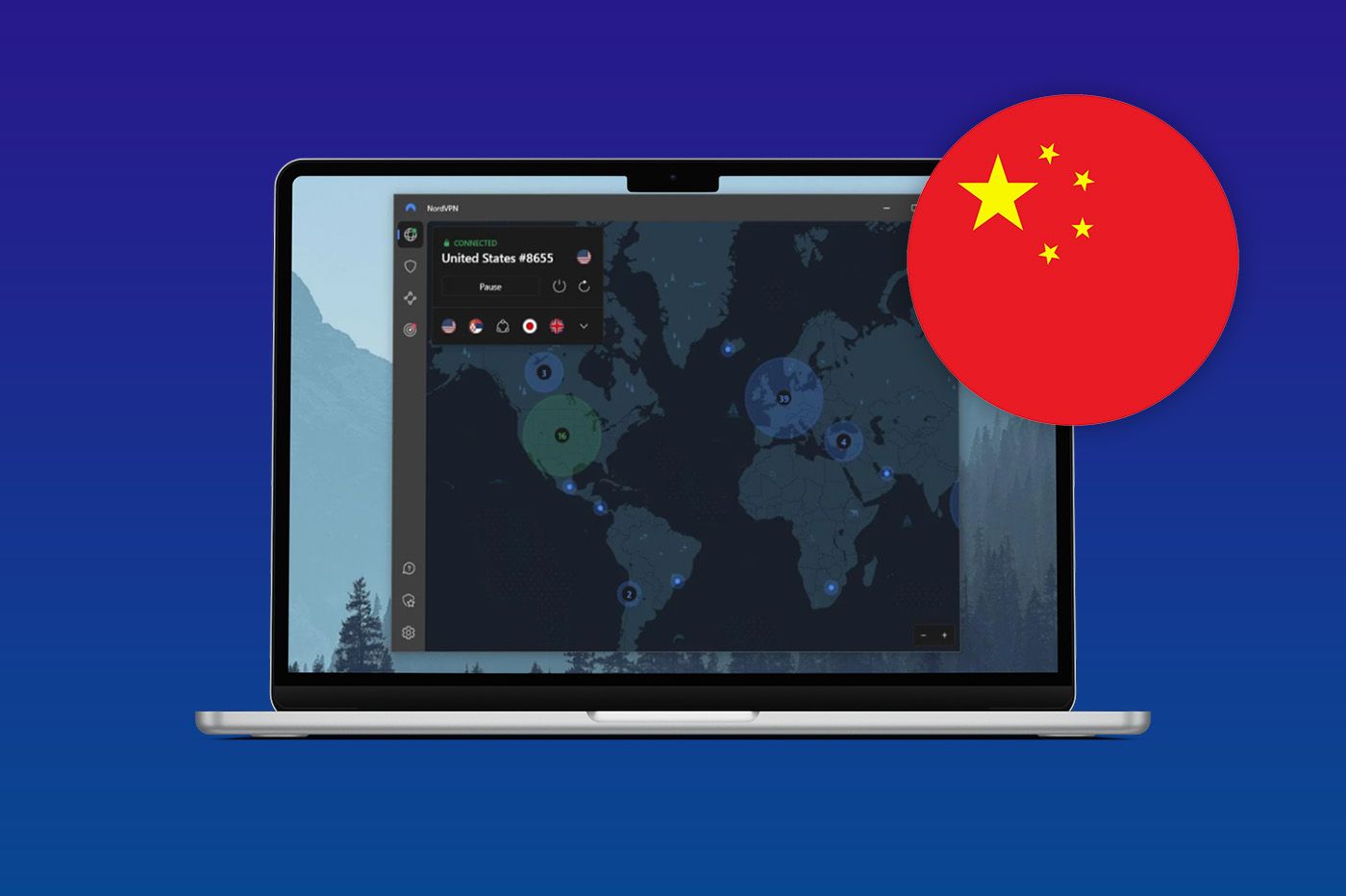
When it comes to choosing a VPN provider, there are several factors to consider to ensure you find the right one for your needs. It’s important to be able to trust the VPN provider you choose, as you will be entrusting them with your online security and privacy.
One of the first things to look for is a VPN provider that has a wide range of server locations. This will ensure that you can connect to servers in different countries, allowing you to easily bypass any geographic restrictions and access the content you want. ExpressVPN is a popular choice that offers a vast selection of server locations around the world, allowing you to switch between them with ease.
In addition to server locations, it’s also important to consider the level of encryption and security offered by the VPN provider. ExpressVPN, for example, uses advanced encryption protocols to ensure your data is protected while you’re connected to their servers. This means that even if your internet connection is not secure, your online activities will be safe from prying eyes.
Another important consideration is the usability of the VPN software. You’ll want to make sure that the VPN you choose has an easy-to-use interface, so you can easily connect and disconnect as needed. ExpressVPN, for instance, offers a user-friendly interface that allows you to connect with just a single click.
For those who want even more control over their VPN connection, some providers offer advanced features and options. ExpressVPN, for example, includes a “split-tunneling” feature that allows you to decide which traffic goes through the VPN and which doesn’t. This can be especially useful if you want to access certain Chinese websites without using the VPN.
When considering a VPN provider, it’s also important to look into their legal status. Some VPN providers may not be licensed to operate in China, which could pose a risk if their servers are blocked or shut down. ExpressVPN, though, is a trusted and legal VPN provider that has gone through stringent audits to ensure compliance with local laws in China.
Lastly, it’s always a good idea to read reviews and frequently asked questions (FAQs) to get more information about a VPN provider. This can help you get a better understanding of their service, their reputation, and any issues that users have encountered. ExpressVPN, for instance, has a wealth of positive reviews and an extensive FAQ section on their website.
Choosing a VPN provider can be a daunting task, but by taking the time to research and consider all the options available, you can find the right VPN provider that meets your specific needs and requirements.
Registering and Installing the VPN
Using a VPN in China is easy, but before you can get started, you’ll need to register and install the VPN on your device. That’s where things can get a little tricky, but it’s not impossible. Most VPN providers have a simple registration process that you can complete with just a few clicks of a button. Just make sure to choose a VPN provider that is known to work in China and has a good track record of keeping their servers up and running.
Once you’ve registered, you’ll need to download and install the VPN application on your device. This can be done via the VPN provider’s website or through app stores like Google Play or the Apple App Store. Some VPN providers even offer browser extensions for easy installation and quick access.
After the installation is complete, make sure to log in to the VPN application using your credentials. This will allow you to access all the features and functionalities of the VPN. It’s recommended to choose a server location outside of China to ensure unrestricted access to the internet.
Now, let’s take a closer look at how to easily use a VPN in China without breaking any laws. First, open the VPN application and log in using your credentials. Once you’re logged in, you’ll see a number of options to choose from. It’s recommended to enable the “Kill Switch” feature, which will automatically disconnect your internet connection if the VPN connection drops. This ensures that your online activities are always protected and your data remains secure.
Now you can start using the VPN to access blocked websites and services. For example, if you want to use Facebook, a popular social media platform that is blocked in China, simply select a server location outside of China and open your browser. You should now be able to access Facebook without any issues.
It’s worth noting that while using a VPN is a legal practice in China, some activities conducted over a VPN connection may be illegal. For example, using a VPN to engage in cybercrime or spread fake news is strictly prohibited. Always use a VPN responsibly and respect the laws of the country you are in.
Troubleshooting VPN Connection Issues
When it comes to using a VPN in China, there can be some difficulties in establishing and maintaining a connection. If you’re having trouble connecting to a VPN in China, here are some troubleshooting tips that may help:
1. Check your application or system settings
Make sure that you have the latest version of your VPN application installed and that it is compatible with the operating system you are using. Sometimes, outdated or incompatible applications can cause connection issues.
2. Pay attention to your payment options
If you’re trying to pay for a VPN service while in China, it may be difficult to find a payment method that works. Chinese payment options are not always supported by VPN providers. You may need to switch to an alternate payment method or consider using a VPN with a free trial period.
3. Enable different protocols
If one VPN protocol is not working, try switching to a different one. VPN providers usually offer multiple protocols, such as OpenVPN, L2TP/IPSec, and PPTP. By switching between them, you may be able to establish a successful connection.
4. Download a VPN before traveling to China
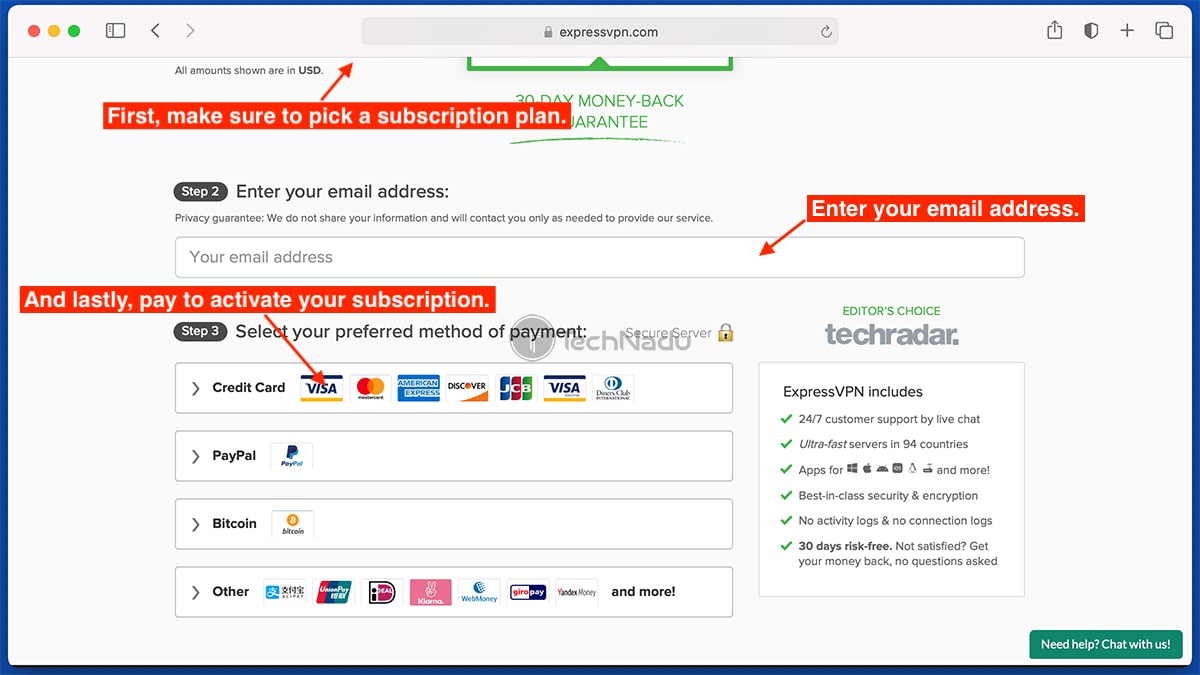
Since accessing VPN websites and downloading applications can be challenging in China, it is highly recommended to download and set up your preferred VPN before arriving in the country. This way, you can avoid any potential hurdles and start using the VPN immediately.
5. Try using a VPN known for unblocking in China
While some VPNs may be blocked or have difficulties connecting in China, there are options available that are known for their effectiveness in bypassing Chinese censorship. Surfshark and Ivacy are among the best VPN services for unblocking content in China.
6. Check for any network restrictions or disruptions
In some cases, the issue may lie with the local network you’re connected to. Chinese authorities and organizations sometimes impose restrictions or disruptions on VPN connections. If everything else fails, trying a different network or location may resolve the problem.
In conclusion, troubleshooting VPN connection issues in China can be a bit challenging. However, by following the above tips and considering the recommendations of other users, you can increase your chances of successfully using a VPN while in China.
Consequences of Illegal VPN Usage in China
Using a VPN in China without complying with the country’s regulations can have serious consequences. The Chinese government has implemented strict measures to control internet usage and restrict access to certain websites and online content. If you are caught using a VPN that is not authorized by the government, you may face severe penalties.
One of the main consequences of illegal VPN usage in China is the risk of being fined or even imprisoned. The government has the power to impose heavy fines on individuals who use unauthorized VPNs, and in some cases, arrest and imprisonment can occur. This is especially true for repeat offenders or those caught engaging in illegal activities while using a VPN.
In addition to the legal consequences, using an illegal VPN can also limit your access to online resources. The government actively blocks and filters internet traffic, making it difficult to access popular websites and services such as Google, Facebook, and YouTube. If you rely on these platforms for work or personal communication, using an illegal VPN may limit your ability to stay connected.
Furthermore, using an unapproved VPN can put your personal information at risk. Some illegal VPNs are known to collect users’ data and sell it to third parties, compromising your privacy and security. It’s important to choose a reputable VPN provider that has a proven track record of protecting user information and maintaining high security standards.
What to do if you want to use a VPN in China?
If you are planning to visit or live in China and want to use a VPN, it’s essential to choose a VPN provider that is authorized by the government. One such provider is Ivacy, which offers VPN services tailored specifically for users in China. Ivacy has a wide range of servers in different locations, providing users with fast and secure connections.
Ivacy also offers an automatic connect feature, which means you don’t have to manually select a server. The VPN uses advanced encryption protocols such as OpenVPN and provides a secure and private browsing experience. It’s recommended to download and install the VPN application before traveling to China to ensure seamless access to the internet.
In summary, using an illegal VPN in China carries serious consequences. It’s important to understand and abide by the country’s regulations if you want to access restricted websites and maintain your privacy. By using an authorized VPN like Ivacy, you can enjoy a safe and secure internet experience while staying within the bounds of the law.
The Penalties for Breaking VPN Regulations
For those who are looking to access blocked websites such as Facebook, Google, or WhatsApp while in China, using a VPN may seem like the best option. However, it is important to understand the potential penalties for breaking VPN regulations before connecting to one.
China is well-known for its strict internet restrictions and censorship. The Chinese government claims that these restrictions are in place for national security and to protect citizens from harmful content. However, many organizations and individuals argue that it is a violation of freedom of speech and expression.
While it may be tempting to use a VPN to bypass these restrictions, it’s crucial to be aware that doing so can lead to severe consequences. If caught using a VPN that is not approved by the Chinese government, individuals may face fines, imprisonment, or have their internet access cut off completely.
The penalties can vary depending on the severity of the violation and whether it is a first-time offense or not. Those caught breaking VPN regulations can expect hefty fines, ranging from a few thousand to tens of thousands of dollars. In some cases, individuals have even been sentenced to several years in prison.
Beyond the legal consequences, using an unapproved VPN in China also exposes individuals to potential security risks. Since these VPNs operate outside of Chinese jurisdiction, there is no guarantee of their security or encryption protocols, meaning your private data may be vulnerable to hackers or other malicious actors.
If you still want to access blocked websites while in China and don’t want to risk breaking the law or compromising your security, it is advisable to explore other options. One such option is to use a VPN that is approved by the Chinese government, such as ExpressVPN or NordVPN. These VPN providers have set-up servers in China and have agreed to comply with government regulations.
It’s important to note that using an approved VPN does not mean you have unrestricted access to the internet in China. The government still imposes limitations and restrictions, and users are subject to surveillance and monitoring. However, using an approved VPN provides a more secure and private way to access blocked content.
Before deciding on a VPN, it’s essential to do thorough research and check if the service is currently working in China. As the Chinese government often blocks VPN services, what works one day may be blocked the next. Additionally, consider your budget, as some VPN providers may charge higher fees for access to their Chinese servers.
In conclusion, while using a VPN in China may seem like a solution to bypass internet restrictions, it is crucial to understand the legal and security implications. Breaking VPN regulations can result in severe penalties, from fines to imprisonment. For a more secure and compliant option, consider using an approved VPN that operates within Chinese jurisdiction.
Recent Crackdowns on VPN Usage in China
In recent years, there have been several crackdowns on VPN usage in China, making it increasingly difficult for individuals to bypass internet censorship and access blocked content. The Chinese government has implemented strict regulations and restrictions on the use of VPNs in an effort to maintain control over online activities.
China has one of the most advanced and comprehensive internet censorship systems in the world, often referred to as the Great Firewall. This system blocks access to popular websites and platforms such as Google, Facebook, Twitter, and YouTube. With a VPN, users can bypass these restrictions and securely access blocked content.
However, the Chinese government has been actively targeting VPN services and users. They have banned VPN apps from official app stores, blocked VPN websites, and implemented sophisticated techniques to detect and block VPN traffic. This crackdown has led to the closure of many VPN providers and a decrease in the availability of reliable VPN services in China.
Despite the crackdown, using a VPN in China is still possible. There are still a bunch of VPN services that offer reliable and secure connections. Some VPN providers, like Surfshark, have developed advanced techniques such as obfuscation and tunneling protocols like Shadowsocks and SSTP to bypass China’s censorship and provide secure access to the internet.
It’s important to note that using a VPN in China is not illegal. The country has regulations around VPN usage, and it is illegal for VPN providers to operate without a license. However, as an individual user, you can still use a VPN to protect your online privacy and access blocked content.
To use a VPN in China, it’s advisable to do your research and choose a reliable and reputable VPN provider. Make sure the provider has servers in locations outside of China, as using VPN servers located within China may not be effective in bypassing censorship. Additionally, make sure the VPN supports strong encryption and offers features like split tunneling to optimize your internet connection.
Using a VPN in China can help you access blocked websites, protect your online privacy, and bypass censorship. It’s important to use VPN services responsibly and only for legal activities. By following the proper guidelines and using a reputable VPN provider, you can navigate the complexities of internet censorship in China while staying within the bounds of the law.
Alternatives to VPNs in China
If you’re in China and need to access blocked websites, there are alternative methods you can use instead of VPNs. While VPNs are commonly used for bypassing the Great Firewall, there are other options that can be effective as well.
1. Proxy Servers: A proxy server acts as an intermediary between your device and the websites you want to visit. It doesn’t encrypt your traffic like a VPN does, but it can help you bypass censorship to access blocked sites. However, proxy servers may not be as reliable or secure as VPNs, so use them with caution.
2. Tor: The Tor network, also known as the Onion Router, is a free software that allows you to browse the internet anonymously. It routes your internet traffic through a worldwide network of volunteer-run servers, making it difficult for anyone to trace your online activities. Tor can be a good option for accessing blocked websites, but it may be slower compared to VPNs.
3. Shadowsocks: Shadowsocks is a secure proxy protocol that is widely used in China. It uses encryption to protect your internet traffic and helps you bypass internet censorship. Shadowsocks is specifically designed for users in China and offers fast and reliable connections. However, setting up Shadowsocks may require some technical knowledge.
4. SSH Tunnels: SSH (Secure Shell) tunnels can be used to encrypt and tunnel your internet traffic through an SSH server. It can help you bypass censorship and access blocked websites. SSH tunnels are commonly used by tech-savvy individuals, but they may not be user-friendly for everyone.
5. Cloudflare’s 1.1.1.1 DNS: Cloudflare’s 1.1.1.1 DNS service is designed to improve your internet speed and privacy. While it doesn’t provide the same level of anonymity as VPNs, it can help you access blocked websites by bypassing some DNS-level blocking. Simply update your device’s DNS settings to use 1.1.1.1 and 1.0.0.1 as your DNS servers.
6. Mobile Data: If you have a mobile data plan with a Chinese telecom provider, you can try using your mobile data to access blocked websites. Mobile data is often not subject to the same level of censorship as fixed-line internet connections. However, keep in mind that your mobile data usage may be monitored by the government.
7. Offline Assistance: When all else fails, you can always ask someone you trust to help you access blocked content. This could be a friend or family member who lives in a country with less internet censorship. They can download the content for you and send it over through another channel, like email or messaging apps.
In conclusion, while VPNs are often the best option for unblocking websites in China, there are alternatives available if VPNs are not an option for you. Each of these alternatives has its own advantages and limitations, so it’s important to choose the one that best suits your needs and situation.
Proxy Servers

A proxy server acts as an intermediary between your device and the internet, helping to keep your online activities secure and anonymous. When you connect to a proxy server, your internet traffic is routed through the server, masking your IP address and encrypting your data. In the context of using a VPN in China, a proxy server can be a great alternative if you are unable to access a VPN network.
Using a proxy server in China can help you bypass internet censorship and access blocked websites and online services. However, it is important to note that proxy servers do not provide the same level of security and privacy as a VPN. Proxy servers can be easily detected and blocked by the Chinese government, making them less reliable in terms of maintaining online anonymity.
Proxy servers primarily operate based on the HTTP protocol, which means they are mostly used for web browsing and accessing web-based services. If you need to use applications or services that do not utilize the HTTP protocol, a proxy server may not be the right solution for you.
One well-known proxy server provider is Surfshark, which offers a number of proxy servers capable of unblocking streaming media and optimizing your online experience. Another notable option is NordVPN, which has created proxy servers specifically optimized for accessing services like Gmail and Facebook.
While proxy servers can provide a temporary solution for accessing blocked content in China, they are not as secure or reliable as VPNs. VPNs offer a higher level of encryption and security, making them a better choice for organizations or individuals who prioritize online privacy and security.
In conclusion, proxy servers can be a useful tool for accessing blocked websites and online services in China. However, they may not be the most secure or reliable option for maintaining online privacy and security. If you are looking for a secure and reliable solution, it is recommended to use a VPN instead of relying solely on a proxy server.
Tor Network
If you want to use a secure and private network in China without breaking the law, the Tor network is one option to consider. Tor, short for The Onion Router, is a decentralized network that allows users to browse the internet anonymously. It works by routing your internet traffic through a series of volunteer-operated nodes, making it difficult for anyone to trace your online activities.
How does Tor network work?
When you use the Tor network, your internet traffic is encrypted and re-encrypted multiple times as it passes through different nodes. Each node only knows the IP address of the previous node and the next node in the chain, ensuring that your connection is highly secure and difficult to track.
Why use Tor in China?
- Bypassing censorship: The Chinese government heavily censors the internet, blocking access to popular websites and social media platforms like Facebook, Google and Twitter. Tor can help you bypass these restrictions and access blocked content.
- Privacy and anonymity: Using Tor in China can help you protect your personal information and online activities from surveillance. It encrypts your internet traffic and hides your IP address, making it difficult for anyone to track your online movements.
- Secure communication: If you’re communicating with other users on the Tor network, your messages are encrypted and can’t be easily intercepted or monitored by third parties. This is especially important for journalists, activists, or citizens trying to share information securely.
How to use Tor in China?
- Install Tor Browser: The easiest way to use Tor in China is by downloading and installing the Tor Browser. It’s a modified version of Firefox that automatically connects to the Tor network. Simply download it, launch the browser, and start browsing the internet anonymously.
- Configure Tor for optimal security: While Tor provides a high level of anonymity, it’s important to optimize its settings for enhanced privacy. Make sure to disable JavaScript, use HTTPS wherever possible, and avoid logging into personal accounts or accessing sensitive information while using Tor.
- Be aware of the limitations: While Tor can help you bypass censorship and protect your privacy in China, it’s not a foolproof solution. The Chinese government actively monitors and blocks Tor nodes, so the network can be slow and inconsistent. Additionally, using Tor may attract attention from authorities, so it’s important to use it responsibly and within the confines of the law.
- Stay up to date: The Chinese government regularly updates its censorship methods and restrictions. Stay informed about the latest developments regarding VPNs and the Tor network to ensure you’re using the most secure and effective methods to access the internet in China.
SSH Tunneling
SSH tunneling is a powerful tool that can be used to bypass internet restrictions and securely access blocked websites in China. In this article, we will explore what SSH tunneling is and how you can use it to navigate the Great Firewall.
SSH tunneling works by creating an encrypted connection between your device and a remote server. This server acts as a proxy, allowing you to access the internet through its connection. This means that even if certain websites or services are blocked in China, you can still access them by connecting to a server outside of the country.
One of the advantages of using SSH tunneling is that it is more difficult for the Chinese government to detect and block compared to other methods like VPNs. This is because SSH tunneling operates on port 22, which is often used for secure communication, making it less likely to be targeted for censorship.
While SSH tunneling can be a great option for accessing blocked content in China, it is important to note that it is not foolproof. The Chinese government has been known to crack down on individuals who use methods to bypass internet restrictions, and the consequences can be severe. It is essential to stay informed about the current situation and be aware of the risks involved.
If you are interested in trying SSH tunneling, there are several popular options available. OpenSSH is a widely used SSH implementation that provides secure connections and is compatible with various operating systems. PuTTY is another popular choice for Windows users.
When setting up an SSH tunnel, it is recommended to use a strong password and enable two-factor authentication for added security. Additionally, you should ensure that the server you connect to is trustworthy and located outside of China.
In conclusion, SSH tunneling can be a useful tool for accessing blocked websites and bypassing internet restrictions in China. However, it should be practiced with caution, as breaking the law can result in severe punishment. If you decide to use SSH tunneling or any other method to access blocked content in China, make sure to stay informed and take necessary precautions to protect your privacy and security.
Вопрос-ответ:
What is a VPN and why do people use it in China?
A VPN, or Virtual Private Network, is a technology that allows users to create a secure and encrypted connection to the internet. People use VPNs in China to bypass the Great Firewall, which is a system of internet censorship that restricts access to certain websites and services. By using a VPN, users can access blocked content and protect their online privacy.
Is it legal to use a VPN in China?
Using a VPN is not illegal in China, but there are certain restrictions and regulations that users must comply with. VPN providers must be licensed by the government and are required to follow certain guidelines. It is important to choose a reputable VPN provider that operates within the legal framework to avoid any potential consequences.
Can I still use a VPN in China if I’m not a Chinese citizen?
Yes, non-Chinese citizens can still use a VPN in China. However, the same regulations and restrictions apply to everyone, regardless of their nationality. It is important to comply with the laws and regulations regarding VPN usage to avoid any legal issues or penalties.
What are the consequences of using an unlicensed VPN in China?
Using an unlicensed VPN in China can have serious consequences. The government has the power to block access to unlicensed VPNs, and users may face fines, imprisonment, or other penalties for using unauthorized VPN services. It is always recommended to use a licensed VPN provider to ensure compliance with the law and to protect your online security.
Can I use a VPN in China to access social media and other blocked websites?
Yes, a VPN can be used in China to access blocked websites and services, including social media platforms. By connecting to a VPN server outside of China, users can bypass the Great Firewall and access websites like Facebook, Twitter, and YouTube. However, it is important to note that the availability and speed of VPN services may vary, so it’s advisable to choose a reliable and fast VPN provider.
Видео:
4 Best VPN For China (Still Working in 2023!)
4 Best VPN For China (Still Working in 2023!) by VPN Wisdom 1 month ago 5 minutes, 47 seconds 6,220 views
