The Truth About VPNs: How Much Data Does a VPN Actually Use?
With the increasing importance of online privacy and security in our digital world, VPNs have become a popular tool for internet users. But how much data does a VPN actually use? Let’s dive into this question and explore the truth behind VPN usage.
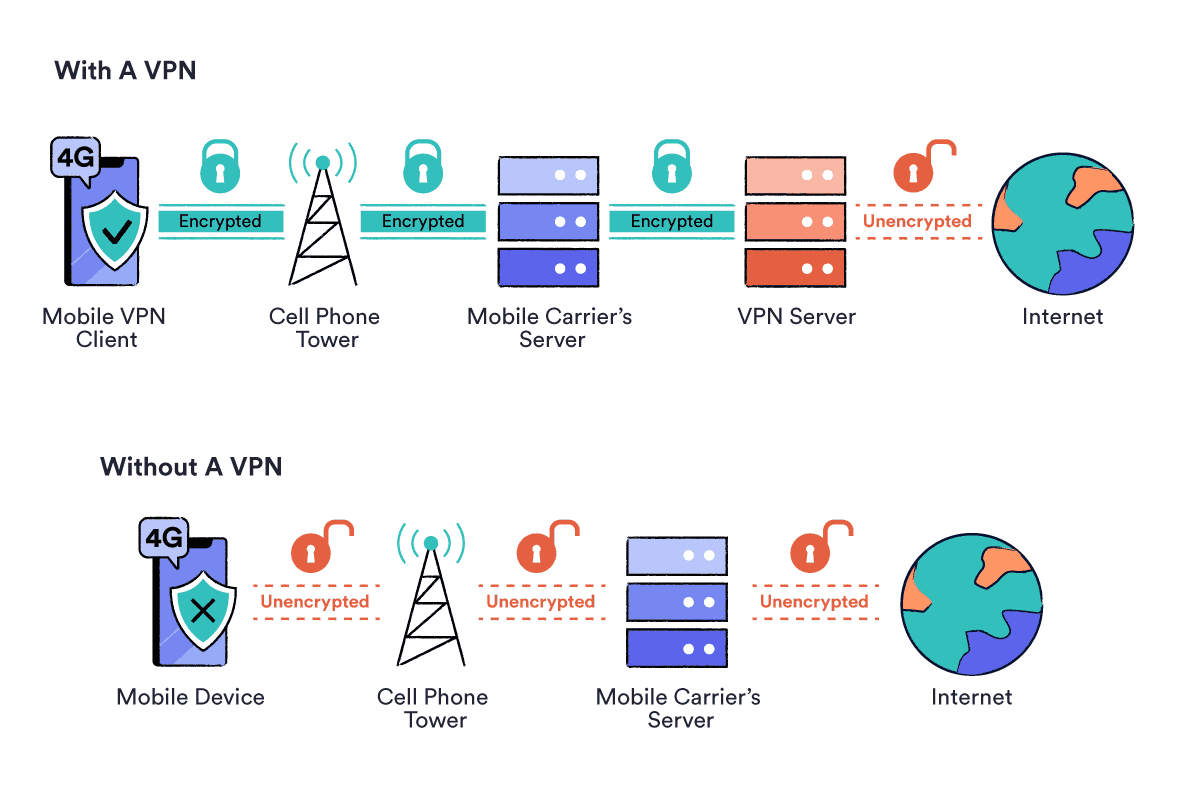
First and foremost, it’s important to understand that VPNs function as a secure tunneling protocol between your device and the internet. This allows you to access the internet in a private and encrypted manner, making it difficult for others to track and monitor your online activities.
While VPN providers offer different levels of service, the amount of data a VPN uses can vary depending on a few factors. The type of VPN protocol you choose to use can have an impact on the amount of data usage. For example, OpenVPN is known to be a heavier protocol compared to others. Additionally, certain VPN services may keep track of your data usage for their own internal purposes.
During my own experience testing various VPNs, I found that the amount of data used can range from a few megabytes to several gigabytes per session. This can be influenced by factors such as the websites you visit, the type of content you access (e.g. streaming videos), and the length of your VPN session.
It’s worth noting that the data usage from a VPN may not always be significant for most users. However, heavy internet users who stream a lot of content or engage in activities that require large amounts of data may see a more noticeable impact on their VPN data usage.
In conclusion, the amount of data a VPN uses can vary depending on the provider and the specific circumstances of your internet usage. It’s important to choose a VPN that offers a good balance between privacy and data usage. Additionally, taking note of the type of protocol your VPN uses and the length of your VPN sessions can also help to determine your data usage. By understanding these factors, you can better protect your online privacy while ensuring that your data usage remains within a reasonable limit.
When should I use my VPN
A virtual private network (VPN) is a powerful tool that can be used for a variety of purposes. While it’s not necessary to use a VPN for every online activity, there are certain situations where using a VPN can offer great benefits.
Privacy and security
One of the main reasons why users should use a VPN is to enhance their online privacy and security. When connected to a VPN, your internet traffic is encrypted and routed through a secure server. This helps protect your personal information from being intercepted by hackers or other third-party entities. Whether you’re browsing the web, conducting online banking transactions, or accessing your work email, using a VPN can help ensure that your data remains private and secure.
Bypassing restrictions and accessing geo-blocked content
Another situation where using a VPN is beneficial is when you want to bypass restrictions or access geo-blocked content. Many streaming platforms and websites have location-based restrictions that prevent users from accessing certain content in specific countries. By using a VPN, you can connect to a server in a different country and mask your IP address. This makes it appear as if you’re accessing the internet from a different location, allowing you to bypass these restrictions and access the content you want.
Protecting sensitive communication
If you frequently communicate online, such as through email or chat services, using a VPN can add an extra layer of security. By encrypting your internet traffic, a VPN can help protect your communications from being intercepted and read by unauthorized individuals. This is particularly important if you’re discussing sensitive information or sharing confidential files.
Safely using public Wi-Fi
Using a VPN is highly recommended when connected to public Wi-Fi networks. Public Wi-Fi networks are often unsecure and can be easily exploited by hackers. By using a VPN, you can encrypt your internet connection and prevent anyone from intercepting your data. This is especially important when accessing sensitive information, such as online banking or social media accounts, on public Wi-Fi networks.
Determining data consumption
While using a VPN does consume data, the amount is typically minimal and should not greatly affect your monthly usage. The exact amount may vary depending on the VPN provider and your usage patterns, but a VPN session typically consumes around 1-2 megabytes per minute. This is a small amount, especially compared to data-intensive activities like streaming videos or downloading large files.
Does a VPN use data?
When using a VPN, data is indeed used, but it is important to understand how it is used and for what purpose. A VPN (Virtual Private Network) is a protocol that allows users to securely connect to a remote network via an encrypted tunnel. This means that when you are visiting websites or using online services, your data is encrypted and routed through the VPN provider’s servers, without being visible to your ISP (Internet Service Provider) or any other third parties.
While a VPN offers many benefits, including increased privacy and security, it does consume some data. The amount of data consumed by a VPN connection depends on various factors, such as the specific protocol used, the websites and services you visit, and the specific VPN provider you choose. Generally, using a VPN will slightly increase the amount of data consumed compared to browsing without a VPN, but the difference is usually minimal.
Most VPN providers offer unlimited data plans, so unless you are on a very basic or limited plan, you are unlikely to run out of data when using a VPN. However, it is important to note that using a VPN may affect the speed of your internet connection, as the encryption and tunneling protocols used by VPNs can add some overhead. In some cases, especially when using a cellular connection, this speed decrease may be more noticeable.
Another factor to consider is that while a VPN can help increase privacy and security, it does not erase all traces of your online activities. Some websites, especially those that require you to log in or provide personal information, may still be able to track your activities to some extent. Additionally, your VPN provider may store certain information about your connection, although most reputable providers have strict privacy policies and do not keep logs of users’ activities.
In conclusion, while a VPN does use data, the amount is usually minimal and the benefits it offers in terms of privacy and security outweigh the slight increase in data consumption. By using a VPN, you can browse the internet more anonymously and securely, knowing that your data is encrypted and your online activities are protected.
Tips to minimize VPN data usage
When using a VPN, it’s important to keep in mind that your data consumption may be affected, as the VPN creates a secure connection between your device and the VPN provider’s server. However, there are several ways you can minimize VPN data usage while still enjoying the benefits of enhanced security and privacy.
Choose a VPN provider that offers optimized connections
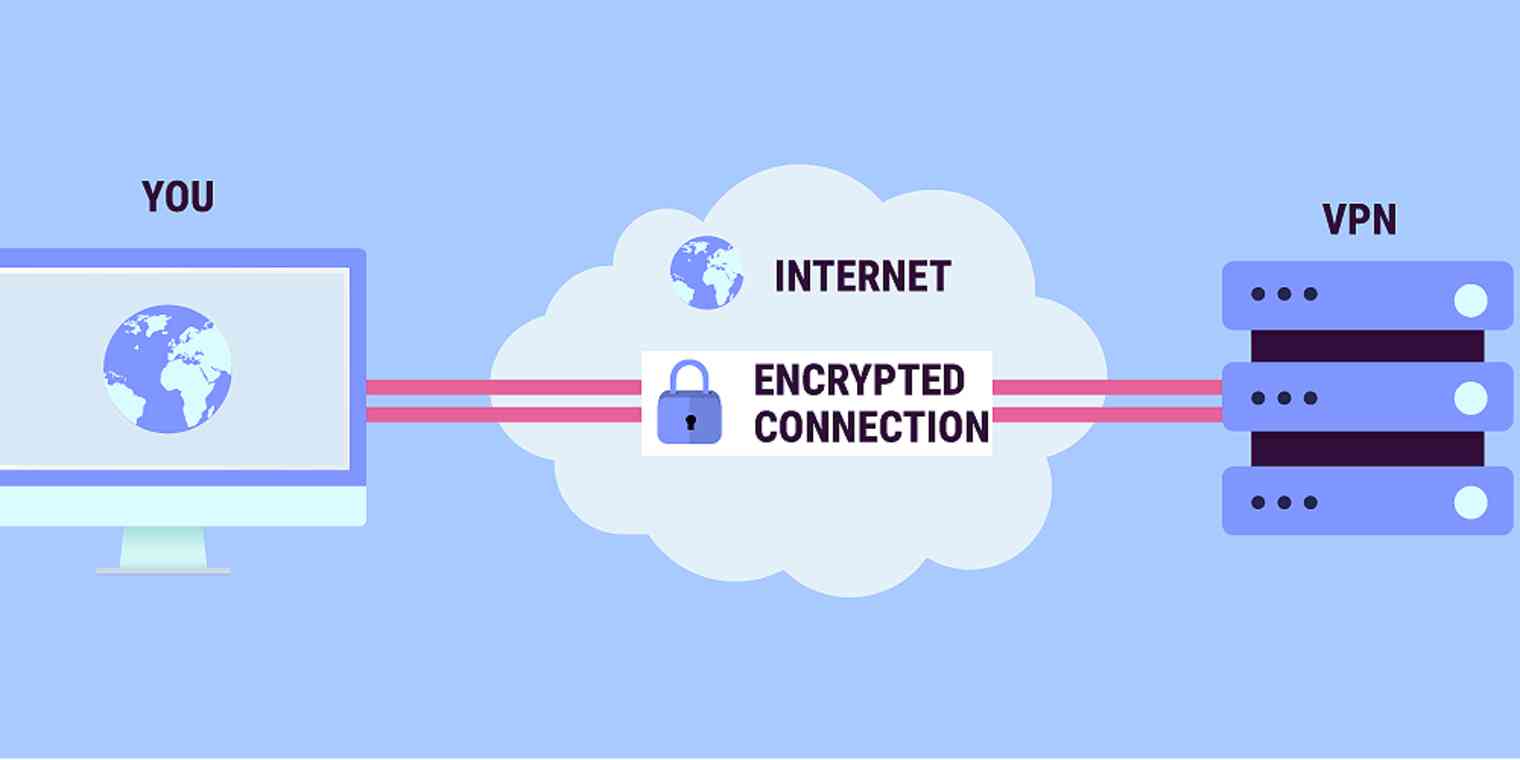
Some VPN providers offer optimized connections that are specifically designed to reduce data usage. These optimized connections may employ compression techniques to reduce the amount of data that is transmitted between your device and the VPN server. By choosing a VPN provider that offers such optimized connections, you can minimize your data consumption.
Use a VPN extension or plugin for your browser
If you primarily use your VPN for browsing the internet, using a VPN extension or plugin for your browser can help minimize data usage. These extensions and plugins typically offer lightweight connections that consume less data compared to using a full VPN client. Popular options include Google Chrome’s built-in VPN extension and third-party VPN plugins for various browsers.
Limit data-intensive activities while connected to a VPN
If you’re using a VPN on smartphones or other mobile devices, it’s a good idea to limit data-intensive activities, such as streaming high-definition videos or downloading large files, while connected to the VPN. These activities consume significant amounts of data, and reducing them can help minimize your overall data usage.
Manage your VPN session time
Being mindful of your VPN session time can also help minimize data usage. Once you’re done using the VPN for a particular session, remember to disconnect from the VPN. Keeping the VPN connection active unnecessarily can lead to data consumption even when you’re not actively using the internet.
Clear cookies and browser cache regularly
Clearing cookies and browser cache regularly can also help minimize VPN data usage. Websites often use cookies and cache data to track user behavior and deliver personalized content. By clearing these regularly, you ensure that unnecessary data is not transmitted through the VPN, reducing your data consumption.
Split your internet usage
If you have multiple devices connected to the same VPN, consider splitting your internet usage between them. By doing so, you distribute the data consumption across multiple devices, resulting in lower data usage per device. This can be particularly helpful if you have data caps or limited bandwidth with your internet service provider (ISP).
Reconnect to the VPN as needed
If you’re using a VPN for specific tasks or accessing region-restricted content, remember to disconnect from the VPN when you’re done. Staying connected to the VPN unnecessarily can result in unnecessary data consumption. Only reconnect to the VPN when you actually need it.
By following these tips, you can minimize your VPN data usage and enjoy a more efficient online experience without compromising your security and privacy.
What are other benefits of using a VPN
A VPN, or Virtual Private Network, offers several benefits beyond just data usage. In addition to keeping your online activity private and secure, a VPN powered by various protocols such as OpenVPN, L2TP/IPsec, or others encrypts your internet traffic, making it unreadable to third-party agents or ISPs that may try to collect and track your data.
One of the main benefits of using a VPN is the ability to access region-restricted content. For instance, if you’re traveling abroad and want to watch a show or access a website that is only available in your home country, a VPN allows you to connect to a server in your home country, making it appear as if you’re accessing the content from there.
A VPN also adds an extra layer of security, especially when using public Wi-Fi networks. These networks are known to be vulnerable to hacking, and a VPN ensures that your data remains secure and encrypted, preventing any potential leaks or unauthorized access to your personal information.
Another benefit of using a VPN is that it can help bypass censorship and restrictions imposed by governments or organizations. By connecting to a VPN server in a different location, you can browse the internet without any limitations or tracking, giving you more online freedom.
Additionally, a VPN allows you to choose your virtual location, which can be helpful in scenarios where certain services or websites are blocked in your current location. By connecting to a server in a different country, you can overcome these restrictions and access the desired content or services.
Furthermore, some VPNs offer features like ad-blocking and protection against malware, enhancing your browsing experience and keeping you safe from potential threats. These additional functionalities can help improve the overall performance of your device and protect your privacy while browsing.
In summary, the benefits of using a VPN go beyond just managing your data usage. A VPN can ensure your online privacy, keep your data secure, allow access to region-restricted content, bypass censorship, and offer additional features like ad-blocking and malware protection that enhance your overall online experience.
How to choose the right VPN protocol
When choosing a VPN protocol, it’s important to consider your specific needs and requirements. Different protocols provide varying levels of security, performance, and functionality. To help you make an informed decision, here are some factors to consider:
1. Security:
Consider the level of security you need. Some protocols, like OpenVPN, provide strong encryption and are suitable for high-security activities such as online banking or accessing sensitive data. On the other hand, protocols like PPTP may offer lower levels of security.
2. Performance:
Take into account the performance impact of the VPN protocol you choose. Certain protocols may be faster or slower depending on your internet connection and physical location. For example, L2TP/IPsec is known for slightly reducing connection speeds, while protocols like WireGuard are designed to offer faster performance.
3. Compatibility:
Check if the VPN protocol is compatible with the devices and operating systems you use. Some protocols, such as OpenVPN, are compatible with a wide range of platforms, including Windows, Mac, and Linux. Others may be more limited in their support.
4. Data usage:
Consider how much data the VPN protocol consumes. Some protocols, like L2TP/IPsec, can consume more data due to additional overhead. If you have a limited data plan, you may want to choose a protocol that is more data-friendly.
5. Privacy policy:
Check if the VPN protocol has any known privacy concerns. Some protocols may have been compromised or have security vulnerabilities that could potentially leak your personal information. It’s important to choose a protocol that is known to be secure and has a strong track record.
6. Extra features:
Consider any additional features or functionalities offered by the VPN protocol. Some protocols may offer features like split tunneling, which allows you to choose which network traffic goes through the VPN and which doesn’t. Others may provide options for bypassing certain content restrictions or using a secure DNS agent.
In conclusion, choosing the right VPN protocol is essential to ensure a secure and efficient connection. By considering factors such as security, performance, compatibility, data usage, privacy policy, and extra features, you can make an informed decision based on your specific needs.
Our Verdict
After examining the data usage of various VPNs, we have come to a verdict on their overall performance. These virtual private networks are designed to encrypt and secure your internet connection, but their data usage can vary greatly. Though most VPNs use a moderate amount of data, some can use significantly more depending on the protocol and settings.
Our research reveals that the OpenVPN protocol tends to use the least amount of data, making it a good choice for those with limited data plans. On the other hand, protocols like L2TP/IPSec and WireGuard can consume more data due to added encryption and tunneling features.
In general, it is important to understand that a VPN uses data for more than just your browsing activity. The data usage includes the establishment and maintenance of the secure connection, as well as any data transferred between your device and the websites you visit. Additionally, some VPNs may use data for background tasks such as updates, advertisement blocking, or tracking prevention.
Although VPNs can increase your data consumption, they also offer significant benefits in terms of privacy and security. Using a VPN can help you bypass censorship, protect your personal information from hackers, and minimize tracking of your online behavior. However, it is important to choose a reputable VPN provider and be aware of their data usage policies.
In conclusion, while the use of a VPN can slightly increase your data consumption, the added security and privacy benefits outweigh the potential increase. Our recommendation is to choose a VPN provider that best fits your needs and ensure that you are using the most efficient protocol for your purpose. Understanding how a VPN works and its impact on data usage can help you make an informed decision on which VPN to use.
What VPN protocols consume the least data
When it comes to VPN protocols, some are more data-intensive than others. If you’re looking to keep your data usage to a minimum, it’s important to choose a protocol that is optimized for efficiency.
L2TP/IPSec: L2TP/IPSec is a commonly used protocol that provides a good balance between security and speed. It doesn’t require much data to establish and maintain a connection, making it a great choice for mobile devices with limited data plans.
OpenVPN: OpenVPN is known for its strong security features, but it can also be somewhat data-heavy. However, there are ways to optimize OpenVPN to use less data, such as compressing data packets and reducing encryption overhead.
WireGuard: WireGuard is a relatively new VPN protocol that is gaining popularity for its simplicity and efficiency. It is designed to be lightweight and consume minimal data, making it an excellent choice for users who want to minimize their data usage.
PPTP: PPTP is an older VPN protocol that is not as secure as other options, but it is very efficient in terms of data usage. If you’re mainly concerned with conserving your data, PPTP might be worth considering.
SoftEther: SoftEther is an open-source VPN protocol that offers high levels of security and flexibility. While it can consume more data than some other protocols, it provides additional features and functionality that may be worth the extra data usage.
In conclusion, if you’re looking to minimize your data usage while using a VPN, L2TP/IPSec and PPTP are the protocols that consume the least amount of data. However, keep in mind that data usage can vary depending on factors such as the specific VPN provider, the server location, and the type of online activity you engage in.
How much data does a VPN use?
When using a VPN, it is important to understand how much data it consumes. The amount of data a VPN uses varies based on several factors.
Firstly, the type of VPN protocol you use can affect data consumption. Some VPN protocols, such as OpenVPN, are known to be more efficient and use less data compared to others like L2TP/IPsec or PPTP.
The data usage also depends on the activities you perform while connected to the VPN. Browsing the web, streaming videos or music, downloading files, or using certain plugins or extensions can increase the amount of data consumed.
Another factor to consider is the encryption level. A VPN encrypts your data, which adds an extra layer of security. However, encryption also increases the amount of data transmitted, which can impact your overall data usage.
Furthermore, the location of the VPN server can play a role in data consumption. If the server is located far away from your physical location, it may take longer for data to travel between the two, resulting in potentially higher data usage.
Tips to reduce data usage

If you are concerned about data usage while using a VPN, here are some tips to help you minimize it:
- Choose a VPN provider that offers efficient protocols and lower data consumption.
- Optimize your browsing habits by disabling unnecessary plugins or extensions.
- Use a VPN server geographically closer to your location to reduce data travel time.
- Consider lowering the encryption level, but keep in mind that this may impact your overall security.
- Avoid streaming high-definition videos or downloading large files while connected to a VPN.
By following these tips, you can better manage your data usage while enjoying the benefits of a VPN.
The data benefits of a VPN

When using a VPN, data usage is a crucial factor to consider. VPN providers offer various plans that cater to different needs, allowing users to access their digital content without consuming too much data. Typically, a VPN connection consumes more data compared to a regular internet connection due to the encryption and decryption processes that occur when transmitting data between the user’s device and the VPN server.
Though VPNs may consume more data, they provide several benefits that make it a worthwhile trade-off. For instance, using a VPN can help Windows users keep their digital data secure, avoiding potential hacks or breaches. Additionally, a VPN increases online privacy by masking the user’s IP address and encrypting the data, making it difficult for ISPs to track the user’s online activities. This description of a VPN’s benefits is quite relevant in this day and age where online privacy and security are of utmost importance.
Furthermore, VPNs can also enhance the browsing experience by allowing users to access region-restricted or blocked content. For instance, if a user visits a website that is blocked in their country, a VPN can help bypass this restriction by routing the traffic through a server in a country where access to the website is permitted. This not only provides a user with more access to relevant information but also allows them to have a more diverse browsing experience.
It is worth mentioning that VPNs can slightly impact the performance of internet connections, particularly in cases where the user is connected to a server that is located far away. However, to mitigate this, users can choose VPN protocols that are known for better performance, such as OpenVPN. Additionally, installing a VPN client directly on the router can offer a seamless and data-intenive browsing experience as all devices connected to the router can benefit from the VPN without individually connecting to the VPN server.
In terms of data usage, VPNs do not typically consume significantly more data than regular browsing. However, it should be noted that some VPN providers may collect user data, such as browsing history or session information, for necessary purposes. This data collection is usually minimal and is done to improve the VPN service or troubleshoot any issues that may arise. Furthermore, using a VPN can actually help in reducing data usage, especially when visiting websites that are loaded with third-party advertisements or tracking scripts. By encrypting the data and masking the user’s IP address, a VPN prevents these scripts from loading, resulting in faster page loading time and a more streamlined browsing experience.
Does VPN use more data? How much?
A VPN, or Virtual Private Network, can use more data depending on various factors such as the protocol being used, encryption level, and the specific VPN service you’re using. However, the benefits it offers often outweigh any extra data usage, making it a worthwhile trade-off.
When using a VPN, the data usage is typically increased due to the encryption process. This is because your data is being encrypted, making it unreadable to anyone who may intercept it. Encryption adds an additional layer of security to your online activities, but it also consumes more data.
Some VPN protocols, like OpenVPN, are known to use more data compared to others. OpenVPN, for instance, uses a combination of open-source technologies to provide a strong level of security and privacy. While it offers excellent security, it may consume more data compared to other protocols such as L2TP/IPSec.
Another factor that can contribute to increased data usage is the quality and number of VPN servers. Certain VPN providers may offer a larger number of servers, which can result in higher data usage. Additionally, if your VPN server is located far away from your physical location, it may consume more data to establish and maintain a stable connection.
It’s important to note that VPN data usage is generally minimal and shouldn’t be a significant concern for most users. However, heavy streaming or extensive browsing can result in higher data consumption. For instance, streaming videos on platforms like YouTube consumes a significant amount of data, and using a VPN to bypass geographic restrictions can further increase data usage.
Furthermore, some VPN services offer additional features like ad-blocking and analytics blocking. While these features can enhance privacy and security, they may consume additional data as they analyze and block advertisements and tracking scripts in real-time.
In conclusion, while a VPN may use slightly more data compared to browsing without one, the benefits it offers in terms of privacy and security are well worth it. Just be mindful of heavy streaming or extensive browsing when using a VPN, as these activities can result in higher data consumption.
Вопрос-ответ:
Can using a VPN increase my data usage?
It is possible that using a VPN can increase your data usage. VPNs encrypt and tunnel your internet connections, which can result in some overhead data. However, this increase is usually minimal and should not have a significant impact on your overall data usage.
Does the amount of data used by a VPN depend on the type of connection?
Yes, the amount of data used by a VPN can depend on the type of connection. For example, if you are using a VPN on a mobile network, it may use more data compared to using it on a Wi-Fi network. This is because mobile networks generally have more limitations and restrictions on data usage.
Can using a VPN help reduce my data usage?
No, using a VPN is unlikely to reduce your data usage. In fact, as mentioned earlier, using a VPN can slightly increase your data usage due to the encryption and tunneling processes. However, using a VPN can help protect your data and privacy while browsing the internet.
Do all VPNs use the same amount of data?
No, different VPNs can vary in the amount of data they use. Factors such as the VPN protocol, encryption level, and server location can affect the data usage of a VPN. Some VPNs may also compress data to reduce the amount of data used, while others may not. It’s important to choose a reputable VPN provider and check their data usage policies if you’re concerned about data usage.
Is there a way to measure the data usage of a VPN?
Yes, you can measure the data usage of a VPN by checking your device’s network usage settings. Most operating systems have built-in tools or third-party applications that allow you to monitor your data usage. By tracking your data usage before and after using a VPN, you can get an idea of how much data the VPN is using.
Can using a VPN slow down my internet connection?
Yes, using a VPN can potentially slow down your internet connection. The encryption and routing processes that a VPN uses can introduce additional latency and overhead. However, with a high-quality VPN provider and a fast internet connection, the impact on speed should be minimal. Additionally, using a VPN with a server located closer to your physical location can help reduce any speed issues.
Видео:
Do VPNs slow down internet speed?? MYTH DEBUNKED | VPN SPEED
Do VPNs slow down internet speed?? MYTH DEBUNKED | VPN SPEED by VPNpro 2 years ago 4 minutes, 27 seconds 26,564 views
Why I no longer use a VPN (most of the time) and nor should you
Why I no longer use a VPN (most of the time) and nor should you by Sun Knudsen 1 month ago 11 minutes, 25 seconds 542,425 views
