Are Free VPNs Safe to Use? Find Out Which VPNs are Safe to Protect Yourself From the Increasing Phishing Attacks
When it comes to online security, a virtual private network (VPN) is an essential tool. It ensures that your online activities are encrypted and your personal information is kept private. However, not all VPNs are created equal, and it’s important to know which ones are safe to use.
Many people are tempted to use free VPNs, but are they really safe? The short answer is no. Free VPNs often come with a catch – they collect and sell your data to advertisers. This not only compromises your privacy, but it also puts you at risk of online threats. To stay on the safe side, it’s recommended to opt for a paid VPN service that prioritizes user security.
One of the safest VPNs on the market is ExpressVPN. With its military-grade encryption and strict no-logs policy, ExpressVPN ensures that your online activities are always protected. They also offer a 30-day money-back guarantee, so you can try their service risk-free. ExpressVPN is trusted by millions of users worldwide and has consistently been rated as one of the most secure VPNs available.
In terms of speed, ExpressVPN is unmatched. It offers lightning-fast connection speeds, making it perfect for streaming, gaming, or any other online activities that require a high-speed connection. ExpressVPN also supports various protocols, including OpenVPN, which is known for its security and reliability.
Another important aspect to consider when choosing a VPN is the number of servers and server locations they offer. ExpressVPN has a vast network of servers in over 160 locations, ensuring that you can always find a server that is close to your location. This not only improves the speed and performance of your connection but also allows you to access location-restricted content with ease.
ExpressVPN also offers easy-to-use apps for all major platforms, including Windows, Mac, iOS, and Android. Their user-friendly interface makes it simple to connect to a server and start protecting your online privacy with just a few clicks. They also provide step-by-step guides and a comprehensive FAQ section to help you get started.
In conclusion, when it comes to choosing a VPN, it’s important to prioritize your online security. Free VPNs may seem like a tempting option, but they come with risks and are not recommended. ExpressVPN, on the other hand, offers top-notch security, lightning-fast speeds, and a large server network, making it one of the safest VPNs to use.
Are Free VPNs Safe to Use?
When it comes to online safety, using a free VPN can be risky. While they may provide some level of security, using a free VPN can expose you to a range of potential threats. One of the biggest concerns is that many free VPNs rely on ads to generate revenue, which can lead to a bombardment of annoying pop-ups and potentially malicious malware.
Another risk when using free VPNs is the possibility of data theft. Some free VPNs have been found to steal users’ personal information or sell it to third parties. This puts your digital privacy at great risk. Additionally, free VPN providers often have limitations on bandwidth and the number of servers available, which can be frustrating.
Moreover, free VPNs usually come with limited security features, such as weak encryption or no-logs policies, which can leave your online activities exposed. They also may not have the same level of commitment to cybersecurity as paid VPNs, making them more susceptible to cyber attacks. In some cases, free VPNs have even been found to be secretly collecting and selling users’ personal data.
If you want a better level of security and privacy, it is recommended to avoid using free VPNs and opt for a reputable paid VPN service instead. Paid VPNs usually have stronger security measures in place, such as advanced encryption protocols and strict no-logs policies. They also offer better customer support and frequently update their software to protect against new threats.
Of course, not all free VPNs are poor in terms of security. Some reputable VPN providers do offer free plans that are secure and reliable. However, it is important to thoroughly research and read reviews to ensure the VPN you choose is trustworthy before committing to it.
In conclusion, while there are some free VPNs that can provide a safe online experience, they are the exception rather than the norm. To truly protect your privacy and security, it’s best to invest in a paid VPN service that has a proven track record of protecting against cyber threats and safeguarding your personal information.
Understanding the Risks
When it comes to using free VPNs, there are several risks that users should be aware of. One of the main concerns is the security of your network and personal data. Free VPNs often lack the strong encryption and security protocols offered by paid services, which can leave your online activities vulnerable to hackers and other threats.
For example, many free VPNs have been found to log user data and sell it to third parties for advertising purposes. This not only compromises your privacy but can also put your personal information at risk. In addition, free VPNs may track your online surfing habits and collect data to display targeted ads, which can be both annoying and intrusive.
Another risk is that free VPNs often have a limited number of server locations, which can result in slower browsing speeds. When using a free VPN, you may find yourself waiting longer for websites to load or experiencing buffering issues when streaming movies or videos.
Furthermore, free VPNs may not always offer reliable leak protection. This means that your real IP address and location could be exposed, making it easier for third parties to track your online activities. In some cases, free VPNs may even have DNS leaks, which can also compromise your privacy.
In conclusion, while there are some safe free VPN options available, it is important to understand the risks involved. For those who require strong security and protection for activities such as online banking or accessing sensitive services, a paid VPN with features like no-logs policy, self-operated server network, and quick customer support may be a better choice.
Potential Threats
Using a free VPN comes with a variety of potential threats to your digital privacy and security. One of the main risks is that the VPN provider may collect and sell your personal data, which goes against the purpose of using a VPN in the first place. Free VPNs, especially those operating with a limited budget, may resort to selling user data to generate revenue.
Another concern is that some free VPNs may infiltrate your device with malware or other malicious software. Despite their claims of offering a secure network, free VPNs usually have less strict security measures in place, making it easier for cybercriminals to access your data or inject malware into your device.
Furthermore, free VPNs typically offer limited bandwidth and slower performance compared to paid VPN services. This can limit your internet usage and hinder your online activities, putting restrictions on what you can do and access. Some free VPNs even impose daily or monthly caps on the amount of data you can use.
In terms of privacy, free VPNs often have questionable privacy policies that allow them to collect and store your browsing history, which can then be used for various purposes. These policies may also allow them to sell your data to third parties or share it with other organizations, compromising your privacy.
Stealing personal data and selling it
One of the biggest concerns with free VPNs is the possibility of personal data theft. By using a free VPN, you are essentially entrusting your private information to the provider. This includes your browsing history, IP address, location, and other sensitive data. Some free VPNs have been known to log this information and sell it to third-party advertisers or use it for targeted marketing purposes.
When choosing a VPN, it is important to read their privacy policy and terms of service to understand how your data will be handled. Look for VPN providers that have a strict no-logs policy and are transparent about their data collection practices.
Malware and security risks
Free VPNs may also expose you to security risks and malware. Since these services often lack the resources to invest in secure infrastructure, they may not have built-in security measures to protect you from potential threats. This leaves your device vulnerable to hacking attempts, malware infections, and other cyber attacks.
Some free VPNs have been found to distribute malware through their apps or inject unwanted ads into your browsing experience. These intrusive activities not only compromise your security but can also significantly impact the performance of your device.
To stay safe, it is recommended to choose a reliable VPN service that has a good reputation for security. Look for VPNs that offer advanced encryption methods and have a self-operated network, which reduces the risk of third-party access to your data.
Which VPNs are Safe
1. ExpressVPNs strict no-logging policy
ExpressVPN is a legal and trusted VPN service that costs a bit more than some others, but it often offers faster speeds and more reliable connections. ExpressVPN is known for its strict no-logging policy, which means it does not keep any records of your online activities.
2. CyberGhost’s malware and ad blocking features
CyberGhost is a popular VPN service that provides cybersecurity and privacy features. It offers malware and ad blocking features, which helps keep your browsing experience safe from harmful pop-ups and trackers. CyberGhost also prevents bandwidth leaks and keeps your sensitive banking and online shopping data secure.
3. NordVPN’s military-grade encryption
NordVPN is another trusted VPN service that has undergone independent audits to confirm its security measures. It uses military-grade encryption to protect your online traffic, ensuring that your communication between devices and networks is secure. NordVPN also offers a feature called TrustedServer, which runs all its servers on RAM, preventing any data from being stored.
4. Surfshark’s unlimited simultaneous connections
Surfshark is a VPN service that offers unlimited simultaneous connections, allowing you to protect multiple devices with just one subscription. It has strict no-logs policy and uses industry-standard encryption to keep your data secure. Surfshark also has features like CleanWeb, which blocks ads and prevents malware infections.
5. Private Internet Access’ commitment to user privacy
Private Internet Access (PIA) is a VPN service known for its strong commitment to user privacy. It does not keep any logs of user activities and has a built-in kill switch that disconnects your internet connection if the VPN connection drops. PIA also offers features like split tunneling, which allows you to choose which traffic goes through the VPN and which doesn’t.
Conclusion
When it comes to choosing a safe VPN, it is important to consider factors like the provider’s logging policy, encryption methods, and additional security features. The VPNs mentioned above offer a range of services and features to keep your online activities secure. Remember to always read the terms and conditions, understand the limitations, and follow best practices for online security.
Tips for using VPNs:
- Choose a VPN provider that is trusted and has a solid reputation in the industry.
- Make sure the VPN service has undergone independent security audits.
- Enable the kill switch feature to ensure your internet connection is always protected.
- Regularly update your VPN software to stay protected from any vulnerabilities.
- Avoid using public Wi-Fi networks without a VPN to prevent your sensitive information from being exposed.
Key Features to Look For
When choosing a VPN, there are several key features to consider to ensure your safety and privacy online.
Strong Encryption:
A good VPN should use strong encryption protocols to protect your data. Look for VPNs that use AES-256 encryption, which is currently the most secure encryption available.
Strict No-Logs Policy:
Make sure the VPN you choose has a strict no-logs policy. This means they don’t store any information about your online activities, keeping your browsing history private and preventing it from being shared with third parties.
Server Locations:
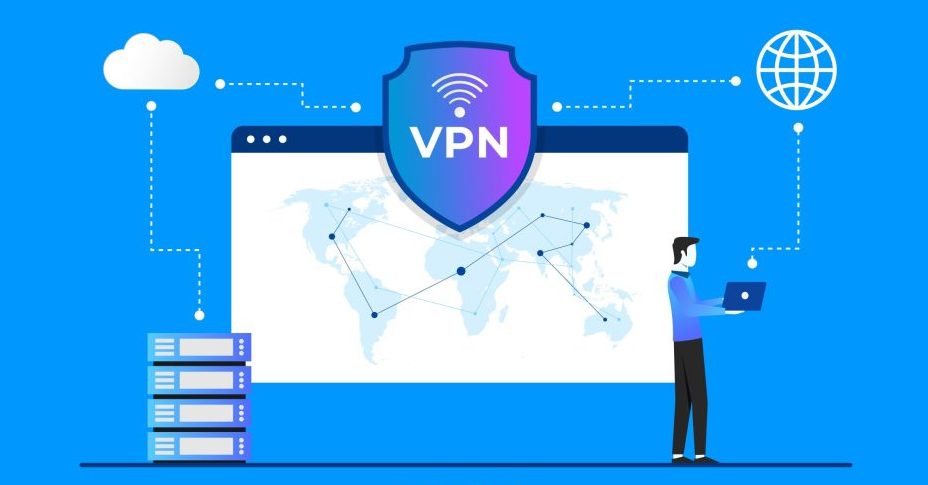
Check the number of server locations the VPN provider offers. More server locations mean more options for you to connect to and a higher chance of finding a fast and stable connection.
Good Connection Speed:
One of the main reasons people use VPNs is to bypass geo-restrictions and access location-restricted content. A good VPN should have fast connection speeds to ensure smooth streaming and browsing.
Multi-Platform Support:
If you use multiple devices such as a computer, smartphone, and tablet, make sure the VPN you choose has apps or client software available for all your devices.
Customer Support:
Look for VPN providers that offer 24/7 customer support, so you can get assistance if you encounter any issues or have any questions. It’s also beneficial to choose a VPN with a user-friendly interface and clear setup instructions.
By considering these key features, you can find a VPN that matches your needs and provides a safe and secure online experience. Remember, it’s not worth taking risks with your online security, so always choose a trusted and recommended VPN provider.
Top Recommended VPN Providers
When it comes to selecting a VPN provider, it’s important to choose a reliable and trustworthy service that can provide the level of protection you need. Here are some of the top VPN providers that have been recommended by experts in the field:
1. ExpressVPN
ExpressVPN is a highly-rated VPN provider that offers excellent speed and security features. It has a no-logs policy, which means your online activities are not recorded, and it uses AES-256 encryption to protect your data. ExpressVPN also offers a variety of protocols to choose from, including OpenVPN and IKEv2, which further enhances security. With servers in over 90 countries, you can easily bypass geo-restrictions and access content from around the world. ExpressVPN also includes additional features like a built-in ad blocker and protection against malware.
2. NordVPN
NordVPN is another popular VPN provider known for its strong security measures. It uses military-grade encryption and has a strict no-logs policy to ensure your data remains secure and private. NordVPN offers a wide range of servers in over 60 countries, giving you plenty of options for accessing content and bypassing restrictions. The service also includes features like CyberSec, which protects against malware and phishing attempts, and Double VPN, which further encrypts your data by routing it through two servers. NordVPN also offers a 30-day money-back guarantee, so you can try the service risk-free.
3. CyberGhost
CyberGhost is a user-friendly VPN provider that offers strong security measures. It uses AES-256 encryption to protect your data and has a strict no-logs policy. With servers in over 90 countries, including some with more relaxed data retention laws like Romania, CyberGhost allows you to access content from around the world and protect your online identity. The service also includes features like an ad blocker, protection against malicious websites, and an automatic kill switch to ensure your internet connection is always secure. CyberGhost offers a variety of pricing plans to suit different needs, including a 45-day money-back guarantee.
In conclusion, there are several top recommended VPN providers that offer strong security measures, fast speeds, and a wide range of server locations. They follow strict no-logs policies, encrypt your data, and protect against malware and phishing attempts. These VPN providers are a great choice for anyone looking to enhance their online privacy and security.
Pro Tips on Choosing the Safest VPN
1. Prioritize Security
When choosing a VPN, the most important aspect to consider is its security features. Look for a VPN that offers strong encryption protocols, such as AES-256, that provide robust protection for your data. Additionally, make sure the VPN has a strict no-logs policy, meaning it doesn’t keep any records of your online activities.
2. Check for Built-in Protection
Avoid free VPNs that lack essential built-in protection features. Some VPNs offer features like malware and ad-blockers, which can provide an extra layer of security. These features prevent you from accessing websites that may be infected with malware or bombarded with unwanted ads.
3. Look for Trusted Server Infrastructure
Opt for a VPN that uses a trusted server infrastructure. Some VPN providers have “TrustedServer” technology, which ensures that all the servers run on volatile memory. This means that no sensitive information, such as user data or passwords, is stored on the servers, reducing the risk of data breaches.
4. Consider Independent Audits
To ensure a VPN service is secure and trustworthy, look for providers that have undergone independent security audits. These audits evaluate the VPN’s protocols and code to check for any vulnerabilities or weak points. A VPN that has undergone such audits indicates a commitment to transparency and security.
5. Take Control of Your Privacy
Read the terms and conditions of a VPN service before signing up. Make sure the VPN doesn’t collect any personally identifiable information and avoid VPNs that have poorly worded or confusing privacy policies. By being aware of a VPN’s privacy practices, you can have more control over your online privacy.
6. Consider User-Friendly Features
Choose a VPN that offers user-friendly features, such as an easy-to-use interface and compatibility with multiple devices. This ensures that you can easily navigate and use the VPN software across different platforms without technical difficulties.
In conclusion, selecting the safest VPN requires careful consideration of its security features, built-in protection, server infrastructure, independent audits, privacy policy, and user-friendly features. By taking these factors into account, you can protect yourself from potentially exposing your personal information and mitigate the dangers of using an unsafe VPN.
Consider Your Needs
When it comes to choosing a VPN service, it’s important to consider your specific needs. There are many trusted VPN providers available, but not all of them may offer the level of protection you require. First and foremost, you should determine what you need a VPN for. Are you looking for a VPN that can unblock streaming services, protect your online privacy, or provide secure access to your company’s network when traveling?
There’s a wide range of VPN services available and each has its own unique features and capabilities. Some VPNs are self-operated, meaning they have their own network of servers, while others may use third-party servers. It’s generally recommended to choose a VPN service with self-operated servers, as it reduces the risk of your data being intercepted or your connection being hijacked by an employee or a man-in-the-middle attack.
Another important factor to consider is the protocols used by the VPN service. There are several protocols to choose from, but some of the most common and trusted ones include OpenVPN, WireGuard, and IKEv2. These protocols offer a high level of security and encryption, protecting your data from being intercepted or infected with malware.
It’s also worth considering whether the VPN service keeps logs of your online activity. Some providers offer a strict no-logs policy, meaning they don’t store any information about your usage. This is important for privacy reasons, as it ensures that your online activities cannot be traced back to you.
In addition to privacy and security features, you should also take into account the performance and compatibility of the VPN service. Some VPNs may slow down your internet connection or limit your bandwidth, which can be frustrating if you’re trying to stream video or download large files. It’s always a good idea to study reviews and performance studies based on real-world usage to ensure that the VPN service you choose meets your requirements.
Lastly, consider the pricing and subscription options offered by the VPN service. While there are many free VPNs available, they often come with limitations, such as a limited number of servers or a cap on data usage. Free VPNs may also bombard you with ads or pop-ups, increasing the risk of clicking on malicious links or downloading malware. Paid VPNs generally offer a safer and more reliable service, but it’s important to choose a reputable provider.
So, when considering a VPN service, weigh your privacy and security needs against the performance and limitations of the service. Always follow best practices for online safety, such as using strong, unique passwords, keeping your devices and software up to date, and avoiding unsecured networks. By taking all these factors into account, you can find a VPN service that suits your specific needs and provides a safe and secure browsing experience.
Read User Reviews
When choosing a VPN service, it’s always helpful to read user reviews to get a better understanding of the experiences and opinions of others. User reviews can provide valuable insights and information about the safety, security, and overall quality of the VPN service.
By reading user reviews, you can find out if the VPN service is reliable and trustworthy, and if it lives up to its claims of providing a safe and secure network. Users often share their experiences with the VPN’s customer support, ease of use, and compatibility with various devices and operating systems.
One of the most common issues users face with VPN services is annoying ads and slow speeds. User reviews can help you determine if a VPN has a lot of ads and if it affects the speed of your internet connection.
Furthermore, user reviews can provide insights into the question of whether a VPN service is truly safe to use. Users may share their experiences with potential threats from cybercriminals, such as hacking or stealing personal information, and how well the VPN service safeguards against these threats.
Additionally, user reviews can give you an idea of whether a VPN service is reliable for streaming or if it is better suited for safeguarding your digital privacy. Users may also provide information about the availability of servers in different countries and the speed and reliability of the connections.
When reading user reviews, it’s important to keep in mind the long-term plans and pricing of VPN services. Some users may provide feedback on the money-back guarantee or the terms and conditions of the service, which can help you make an informed decision.
Overall, user reviews can be a valuable resource in the process of choosing a VPN service that best suits your needs and ensures the safety and security of your online activities.
Check for a No-Logs Policy
When using a VPN, one of the key factors to consider for ensuring safety is the no-logs policy. A no-logs policy means that the VPN service provider does not keep records of your online activities while using their service. This is important as it helps to protect your privacy and ensures that your surfing habits and personal information are not stored or tracked.
Before choosing a VPN, it is essential to thoroughly research and check if they have a no-logs policy in place. This policy should be clearly stated on their website, and they must guarantee that no logs of user activities will be collected or stored. This way, your online activities and personal information stay private and protected from any possible security breaches.
Various VPNs in the market claim to have a no-logs policy, but it is essential to verify their claims. Independent audits and third-party reviews can help you determine if a VPN provider is reliable and trustworthy in terms of their no-logs policy. Look for VPNs that have undergone such audits and have received positive reviews from experts and users.
Using a VPN with a no-logs policy is a crucial step to avoid any risks associated with your digital activities. By not keeping any logs, a VPN limits the chances of your data being exposed or monitored by hackers, governments, or other unauthorized entities. This makes it more challenging for anyone to track your online activities or use your personal information for malicious purposes.
It’s worth noting that not all VPNs offer the same level of protection when it comes to their no-logs policy. Some VPNs may claim to have a no-logs policy, but upon closer inspection, you might discover that they keep certain connection logs or temporary logs. These logs might include data such as the time when you connected to the VPN, the amount of data transferred, or the server location you connected to. While these logs may not necessarily be harmful, they could potentially compromise your privacy if they were ever exposed or obtained by unwanted parties.
In conclusion, when choosing a VPN, always prioritize providers that have a robust no-logs policy. Take the time to research and verify their claims before committing to a service. Remember that your privacy and security are at stake, so it is crucial to choose a VPN that genuinely values and protects your anonymity.
Look for Strong Encryption
When choosing a safe VPN, one of the most important factors to consider is strong encryption. Encryption is what keeps your data secure and protected while you’re connected to the internet. Strong encryption ensures that your online activities are kept private and cannot be intercepted by anyone.
There are various types of encryption protocols used by VPN providers. Some of the most commonly used ones include OpenVPN, WireGuard, and L2TP/IPSec. These protocols use advanced encryption algorithms to encrypt your data and keep it safe from prying eyes.
ExpressVPN is a popular VPN service that is known for its strong encryption. They use AES-256 encryption, which is considered military-grade encryption. This level of encryption ensures that your data is secure and protected from hackers and other malicious individuals.
However, not all VPNs offer the same level of encryption. Some free VPNs may use weaker encryption or even no encryption at all. This puts your data at risk and makes it easier for someone to intercept your online activities. That’s why it’s important to choose a VPN provider that offers strong encryption to keep your data safe.
If you’re not sure about the encryption used by a VPN, you can usually find information about it on their website. Most VPN providers have a FAQ or a guide that explains the encryption protocols they use and how they keep your data secure.
In addition to encryption, you should also consider other security features offered by a VPN. Some VPNs offer features like malware protection, ad-blocking, and DNS leak protection, which can further enhance your online security.
Test for DNS Leaks
When using a VPN, one of the important aspects to consider is whether it is effectively protecting your DNS requests. DNS (Domain Name System) is responsible for translating domain names into IP addresses for your internet connection.
What are DNS Leaks?
DNS leaks occur when the DNS requests made by your device bypass the VPN and are sent directly to your ISP’s DNS servers. This can expose your internet activities and potentially allow your data to be hijacked or monitored by third parties.
Why Should You Test for DNS Leaks?
Testing for DNS leaks is crucial to ensure that your VPN is effectively safeguarding your online privacy and security. By revealing any potential leaks, you can take necessary steps to address the issue.
How to Test for DNS Leaks
There are several online tools and websites available that can help you test for DNS leaks. These tools usually display the DNS servers being used and indicate if your requests are being securely routed through the VPN or if there are any leaks.
ExpressVPN’s DNS Leak Test: ExpressVPN offers a DNS leak test tool on its website that allows you to check if your DNS requests are leaking. This tool is recommended due to its reliability and ease of use.
WireGuard’s DNS Leak Test: If you are using the WireGuard protocol, there is a specific DNS leak test available for this protocol. It is important to verify the DNS leak protection for WireGuard as it is a newer protocol and may have vulnerabilities.
Conclusion
Testing for DNS leaks is essential to ensure the effectiveness of your VPN in protecting your online privacy and security. By conducting regular tests and addressing any leaks that are detected, you can better safeguard yourself against potential threats and securely access the internet.
Verify Jurisdiction and Privacy Laws
When it comes to choosing a VPN, it is important to verify the jurisdiction and privacy laws of the provider. Some countries have more favorable privacy laws than others, which can have a direct impact on the safety of using a VPN. It is generally better to choose a VPN provider that operates in a country with strong privacy laws to ensure the protection of your data.
One of the concerns with free VPNs is that they may be selling user data or providing access to third-party advertisers. This compromises the privacy and security of your online activities. The safest VPNs, on the other hand, have strict policies in place to safeguard user data and do not engage in such practices.
VPN vulnerabilities and malware are another risk to consider. Free VPNs are more likely to have security vulnerabilities or hidden malware that can compromise your device and data. The safest VPNs, such as ExpressVPN and CyberGhost, have rigorous security measures in place, including regular audits and open-source code, to minimize these risks.
While free VPNs may be tempting, they often have slower connection speeds and limitations in terms of the number of servers and locations available. This can result in drops in connection and slower file downloads. In contrast, the safest VPNs typically have a large network of high-speed servers around the world, providing a reliable and fast connection.
For example, ExpressVPN is known for its high level of security and supports multiple devices simultaneously. It also offers a 30-day money-back guarantee and 24/7 customer support, making it a top choice for many users. CyberGhost is another popular option with strong privacy features and user-friendly interface.
When using a VPN, it is important to be aware of the potential dangers and take necessary precautions. One of the tips is to always use secure and unique passwords, as well as enable two-factor authentication whenever possible. Additionally, be cautious when downloading files or accessing sensitive information while connected to a public Wi-Fi network.
Overall, while there are risks associated with using free VPNs, the safest VPNs are designed to protect your privacy and ensure a secure browsing experience. By choosing a reputable and trustworthy VPN provider, you can safeguard your sensitive data and enjoy a worry-free online experience.
FAQ:
How do free VPNs make money?
Free VPNs typically make money by displaying advertisements, selling user data to third parties, or offering a limited free version with the option to upgrade to a paid plan for additional features.
Are free VPNs as safe as paid VPNs?
Generally, free VPNs are not as safe as paid VPNs. Free VPNs may have limited security features, slower connection speeds, and may collect and sell user data. Paid VPNs usually offer stronger encryption, better performance, and a more reliable service.
What are the risks of using free VPNs?
Using free VPNs carries several risks. These include potential data leaks, lack of encryption, malware infections, and privacy concerns. Free VPNs may also have limited server options and slower connection speeds.
What are the benefits of using a paid VPN?
Paid VPNs offer several advantages over free VPNs. They usually provide stronger encryption, faster connection speeds, a wider selection of server locations, and better customer support. Paid VPNs are also more likely to have strict no-logs policies and advanced security features.
Which VPNs are considered safe to use?
There are several VPNs that are considered safe to use, such as ExpressVPN, NordVPN, and CyberGhost. These VPNs have been thoroughly tested, provide strong encryption, have a strict no-logs policy, and offer reliable performance.
Can free VPNs be used for streaming and torrenting?
While some free VPNs may allow streaming and torrenting, they generally have limitations such as data caps, slower speeds, and limited server options. Paid VPNs are more suitable for streaming and torrenting as they typically offer unlimited bandwidth and faster connections.
What should I look for in a VPN to ensure safety?
When choosing a VPN, it is important to look for strong encryption protocols such as OpenVPN or IKEv2, a strict no-logs policy, a wide range of server locations, a kill switch feature, and a transparent privacy policy. Reading reviews and checking the VPN’s reputation and history can also help ensure safety.
Videos:
5 Best Free VPN & why use one
5 Best Free VPN & why use one by Kevin Stratvert 1 year ago 11 minutes, 36 seconds 1,094,323 views
