Comparison of AWS Direct Connect vs VPN for Network Services
In this article, we will discuss the comparison of two popular network services: AWS Direct Connect and VPN. Both services provide a secure and encrypted connectivity option for businesses to connect to their cloud resources. However, there are several differences between them, and understanding these differences is important for businesses to choose the most suitable option.
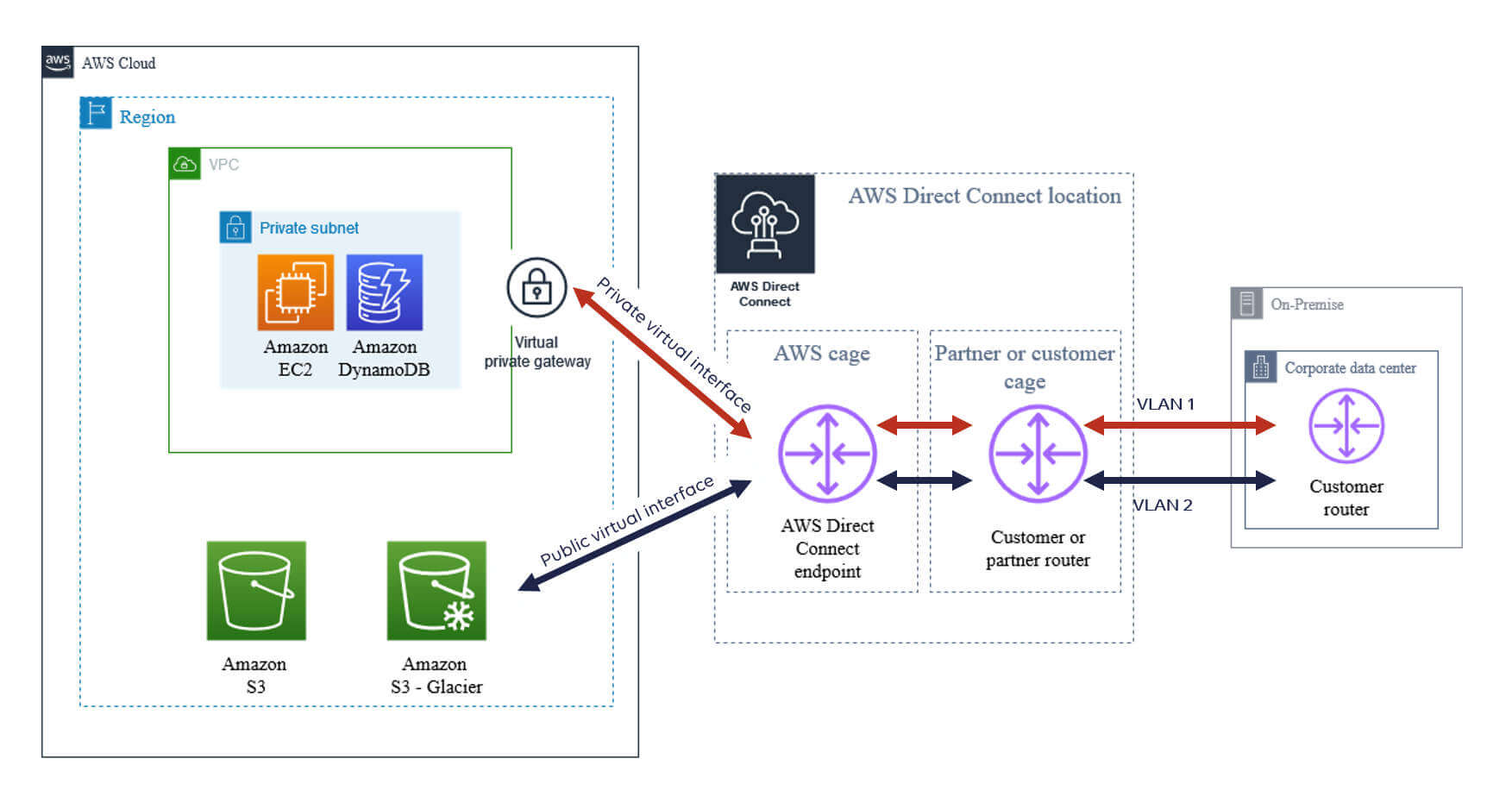
AWS Direct Connect is a dedicated network service that allows businesses to establish a direct connection between their on-premises network and the AWS cloud. It provides a predictable and consistent network performance, making it great for business-critical applications that require low latency and high bandwidth. The installation and setup of AWS Direct Connect are relatively straightforward, requiring a dedicated cable to be connected from the business’s router to an AWS Direct Connect location.
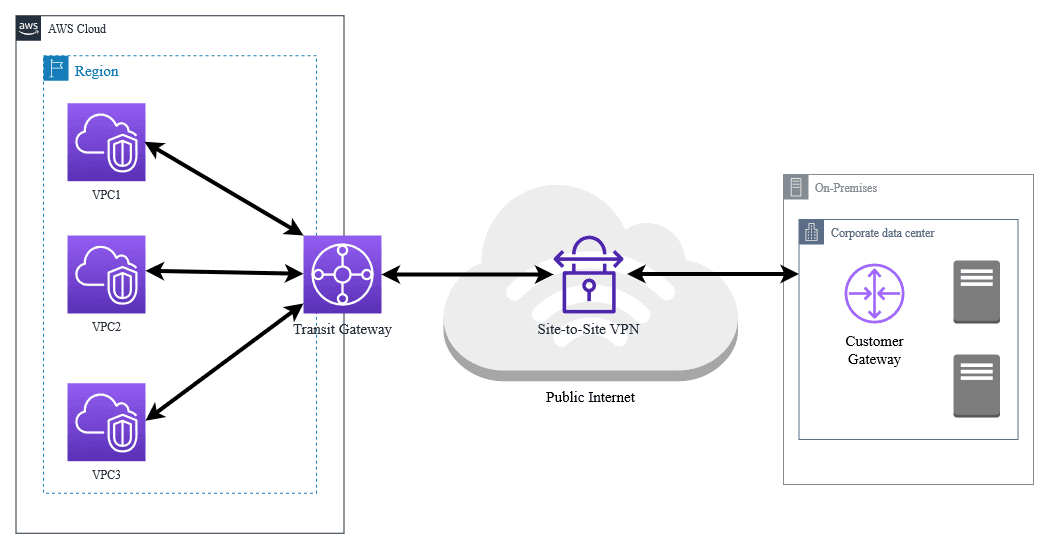
On the other hand, VPN (Virtual Private Network) is a more commonly used network service that allows users to securely connect to a public network, such as the internet, over an encrypted connection. VPN creates a virtual network that extends across the internet, allowing users to access resources securely. The setup of VPN is simpler compared to AWS Direct Connect, as it does not require a physical installation. Users can connect to a VPN using software applications and use their existing internet connection.
When comparing AWS Direct Connect and VPN, several factors need to be considered, such as cost, connectivity options, and security concerns. AWS Direct Connect is generally more expensive than VPN, as it requires dedicated setup and maintenance. However, for businesses with high data transfer requirements, the cost may be justified by its predictable and secure connectivity. VPN, on the other hand, is more cost-effective and recommended for small businesses or individuals who do not have high bandwidth needs.
In conclusion, the choice between AWS Direct Connect and VPN depends on the specific needs of the business. AWS Direct Connect offers a more established and dedicated connectivity option, providing better performance and security for business-critical applications. VPN, on the other hand, is a more flexible and cost-effective solution for businesses with lower bandwidth requirements. It is essential for businesses to evaluate their network requirements and compare the advantages of both services before making a decision.
Head to Head Comparisons Between AWS Direct Connect vs VPN Infographics
If you are looking to compare the advantages and differences between AWS Direct Connect and VPN for your network services, infographics can be a great tool to help you understand the key points at a glance. In this article, we will discuss the head to head comparisons between AWS Direct Connect and VPN using infographics.
1. Setup and Installation:
When it comes to the setup and installation process, AWS Direct Connect requires dedicated hardware and resource allocation. On the other hand, VPN can be easily set up and configured on any virtual machine or server. This makes VPN more recommended for users who do not have the resources or infrastructure to set up a dedicated connection.
2. Security and Predictable Performance:
AWS Direct Connect provides a secure and predictable performance as it establishes a dedicated and private connection between your business and the AWS cloud. VPN, on the other hand, relies on public networks and encryption to ensure security. While VPN can be secure, it may not offer the same level of performance and predictability as AWS Direct Connect.
3. Bandwidth and Data Transfer:
AWS Direct Connect offers higher bandwidth options compared to VPN, making it more suitable for businesses with large data transfer needs. VPN relies on shared networks, which can occasionally lead to limited bandwidth and slower data transfer speeds.
4. Cost:
AWS Direct Connect is typically more expensive than VPN, as it requires dedicated resources and infrastructure. VPN, on the other hand, can be set up using existing virtual machines or servers, making it a more cost-effective option for small businesses or those on a budget.
Conclusion:
In conclusion, AWS Direct Connect and VPN offer different features and benefits for users. AWS Direct Connect provides a dedicated and secure connection with predictable performance, making it suitable for businesses with high data transfer needs. VPN, on the other hand, is more cost-effective and easier to set up, making it a recommended choice for users who do not have the resources or infrastructure for a dedicated connection. Ultimately, the choice between AWS Direct Connect and VPN depends on your specific business requirements and budget.
Recommended Articles
If you are in the market for network services and are considering AWS Direct Connect and VPN, here are some recommended articles to help you make an informed decision:
1. “Comparison of AWS Direct Connect and VPN: Key Differences”
This article discusses the main differences between AWS Direct Connect and VPN, including their setup and connectivity options. It also covers the advantages and disadvantages of each service, and provides a recommended course of action based on your business needs.
2. “AWS Direct Connect vs VPN: A Comprehensive Comparison”
In this article, you will find a detailed comparison between AWS Direct Connect and VPN in terms of cost, security, and performance. It discusses the difference between dedicated and virtual connections and how they affect your cloud connectivity. It also provides a mock setup to help you understand the installation process for both services.
3. “AWS Direct Connect vs VPN: Security and Encryption”
If security is your primary concern, you should read this article. It delves into the encryption options provided by AWS Direct Connect and VPN and discusses the verifiable certificate and key establishment process. It also compares the level of encryption provided by both services and recommends the best option for keeping your data secure in the cloud.
4. “AWS Direct Connect vs VPN: Performance and Predictable Latency”
For users who require consistent and predictable network performance, this article is a must-read. It explores the differences in latency and throughput between AWS Direct Connect and VPN and provides real-world examples to help you understand the impact on your business. It also discusses how the choice of AWS Direct Connect or VPN can affect performance across different regions.
5. “AWS Direct Connect vs VPN: Cost and Value for Money”
If cost is a concern for your business, this article will help you compare the pricing models of AWS Direct Connect and VPN. It discusses the differences in pricing structures and highlights which service offers a better value for money. It also provides a table of cost comparisons and breaks down the factors to consider when making your decision.
By reading these recommended articles, you will gain a better understanding of the differences between AWS Direct Connect and VPN and be able to make an informed decision based on your specific needs and business requirements. Whether you choose the direct and dedicated connectivity of AWS Direct Connect or the more secure and flexible setup of VPN, these articles will provide valuable insights to help you establish a reliable and efficient network infrastructure in the cloud.
AWS Direct Connect vs VPN
When it comes to network services, business owners often face the question of whether to choose AWS Direct Connect or a VPN (Virtual Private Network). To make an informed decision, it’s important to understand the science behind these two options and compare their features and benefits.
Direct Connect: AWS Direct Connect offers a dedicated network connection between your on-premises infrastructure and the AWS cloud. It provides better performance and more predictable connectivity compared to a VPN. With Direct Connect, you can establish a private, secure, and verifiable connection with AWS, allowing for faster data transfer and reduced latency.
VPN: On the other hand, a VPN allows users to connect to a public network, such as the internet, securely and encrypted. It creates a virtual tunnel over the public network, allowing remote users to access resources in a private network. While it is easy to set up and provides secure communication, VPNs may have slower speed and higher latency compared to Direct Connect.
Comparisons between Direct Connect and VPN include factors such as cost, installation, and scalability. Direct Connect requires a dedicated connection with AWS, which may be more expensive than setting up a VPN. However, it provides a more reliable connection for businesses with high data transfer needs or sensitive information.
One key difference is that Direct Connect allows for the use of AWS services with a direct connection to the cloud, while a VPN only provides access to the cloud resources. Direct Connect also offers options for using Ethernet to connect your infrastructure to the AWS network, which may be advantageous for businesses that require high-speed connectivity.
In conclusion, both AWS Direct Connect and VPNs are valid options for connecting your business to the cloud. Direct Connect offers a more dedicated and predictable service, while VPNs are easier to set up and provide secure connectivity over the public network. It is important to evaluate your specific needs, such as data transfer requirements and security concerns, to determine which option is better suited for your business.
Key Differences Between AWS Direct Connect vs VPN
1. Connection Type
One of the key differences between AWS Direct Connect and VPN is the connection type. AWS Direct Connect establishes a dedicated physical connection between your on-premises network and the AWS cloud. This provides a more reliable and predictable connection, as opposed to the shared public internet connection used by VPN.
2. Speed and Performance
AWS Direct Connect offers higher network speeds and lower latency compared to VPN. With Direct Connect, you can achieve higher throughput and better performance for data-intensive workloads. VPN, on the other hand, might suffer from slower speeds and increased latency due to the shared nature of the public internet.
3. Security
Both AWS Direct Connect and VPN provide encrypted connections to ensure data security. However, with Direct Connect, the connection is established over a dedicated private network, which adds an extra layer of security. VPN, on the other hand, uses the public internet, making it potentially more susceptible to security concerns.
4. Setup and Maintenance
Setting up AWS Direct Connect requires physical installation and configuration of dedicated network infrastructure. This can be more complex and time-consuming compared to setting up a VPN, which typically involves software installation and configuration. However, once set up, Direct Connect requires less ongoing maintenance and is more suitable for long-term, stable connections.
5. Cost
The cost of using AWS Direct Connect is generally higher compared to VPN. Direct Connect involves additional infrastructure and setup costs, as well as ongoing fees for network usage. VPN, on the other hand, is often included as part of existing network services or can be set up using lower-cost options.
6. Integration with AWS Services
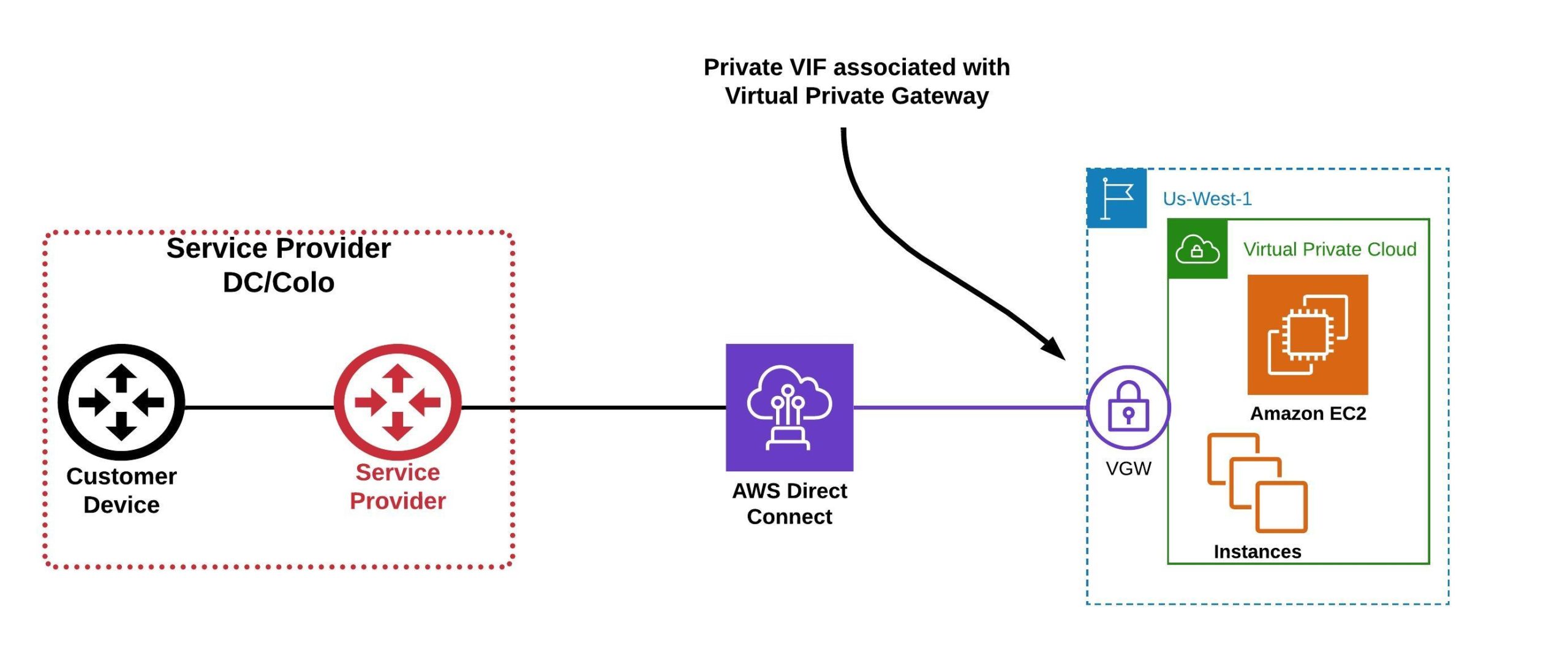
AWS Direct Connect is designed specifically for connecting to the AWS cloud. It provides direct access to AWS services, such as Amazon S3, Amazon EC2, and Amazon VPC. VPN, on the other hand, can be used to connect to both the AWS cloud and other public cloud providers.
In conclusion, the key differences between AWS Direct Connect and VPN lie in the connection type, speed, security, setup, cost, and integration with AWS services. Direct Connect offers a dedicated, predictable, and higher-performing connection than VPN, but it comes at a higher cost. VPN, on the other hand, provides a more flexible and cost-effective option for users who require both public and private access to the cloud.
Comparison Table of AWS Direct Connect vs VPN
In the world of cloud computing and network connectivity, AWS Direct Connect and VPNs are two popular options that businesses can use to connect their on-premises networks with their AWS cloud environments. Below is a comparison table that outlines the key differences and advantages of each option:
| Criteria | AWS Direct Connect | VPN |
|---|---|---|
| Connectivity | A dedicated network connection established between your on-premises network and AWS cloud regions. | Encrypted tunnel created through the public internet. |
| Speed | Greater bandwidth and lower latency than VPNs. | Dependent on internet connection speed and congestion. |
| Security | Uses private connectivity and offers a secure and encrypted connection. | Uses public infrastructure and encrypts traffic between the user and the VPN endpoint. |
| Reliability | Provides a more reliable and predictable connection for mission-critical applications. | Dependent on the stability and performance of the public internet. |
| Cost | Can be more expensive than VPNs, especially for small businesses with limited connectivity needs. | Typically more cost-effective than AWS Direct Connect. |
| Flexibility | Allows for the creation of hybrid network architectures with both direct and virtual connections. | Provides flexibility to connect to multiple AWS accounts or regions. |
In conclusion, both AWS Direct Connect and VPNs have their advantages, and the choice between the two depends on factors such as the level of security, speed, reliability, and cost needed for your business. It is important to weigh the differences and consider your specific connectivity requirements before making a decision.
FAQ:
What is the difference between AWS Direct Connect and VPN for Network Services?
Both AWS Direct Connect and VPN provide secure connectivity options for accessing AWS services over the internet. However, there are some key differences between the two. AWS Direct Connect establishes a dedicated physical connection between a customer’s data center and AWS, providing higher bandwidth and lower latency compared to VPN. On the other hand, VPN uses an encrypted tunnel over a public network, such as the internet, to connect to AWS services. While VPN is more flexible and can be set up quickly, it may not offer the same level of performance as AWS Direct Connect.
When should I use AWS Direct Connect instead of VPN?
AWS Direct Connect is ideal for organizations that require high-bandwidth, low-latency connections to AWS services. It is particularly useful for large data transfers, real-time applications, and accessing resources that require low latency, such as databases. If your organization regularly transfers large amounts of data or requires faster access to AWS services, AWS Direct Connect is a better option compared to VPN. Additionally, AWS Direct Connect offers a more reliable and consistent connection compared to VPN.
What are the advantages of using VPN over AWS Direct Connect?
Using VPN for network services offers several advantages over AWS Direct Connect. Firstly, VPN is a more cost-effective solution, as it does not require the physical infrastructure needed for AWS Direct Connect. Additionally, VPN is easier to set up and can be quickly provisioned, making it a more flexible option. VPN is also suitable for organizations that do not require high-bandwidth or low-latency connections to AWS services. It is a suitable choice for small to medium-sized businesses or organizations with less demanding network requirements.
Can I use both AWS Direct Connect and VPN together?
Yes, it is possible to use both AWS Direct Connect and VPN together. This is known as a hybrid approach and allows organizations to have the benefits of both connections. By utilizing both AWS Direct Connect and VPN, organizations can have a dedicated, high-performance connection for critical workloads, while also having the flexibility and additional security provided by VPN. This hybrid approach allows organizations to optimize their network infrastructure according to their specific needs and requirements.
Are there any security considerations when using AWS Direct Connect or VPN?
Both AWS Direct Connect and VPN provide secure connectivity options for accessing AWS services. However, there are some security considerations to keep in mind. When using AWS Direct Connect, physical security is important to protect the dedicated connection between the customer’s data center and AWS. On the other hand, when using VPN, encryption and authentication mechanisms need to be properly configured to ensure data privacy and prevent unauthorized access. Organizations should also implement best practices for network security, such as implementing firewalls and regular security audits, to further enhance the security of their network services.
Is it difficult to set up AWS Direct Connect or VPN?
The setup process for AWS Direct Connect and VPN varies in complexity. AWS Direct Connect requires a dedicated physical connection, which involves provisioning and configuring network equipment. It may also require coordination with a network service provider. This setup process can be more complex and time-consuming compared to setting up a VPN connection, which can be done using software and configuration settings. However, AWS provides documentation and resources to guide users through the setup process for both AWS Direct Connect and VPN.
Can I use AWS Direct Connect or VPN to connect to other cloud service providers?
AWS Direct Connect is specifically designed for connecting to AWS services and cannot be used to connect to other cloud service providers directly. However, AWS Direct Connect can be used as part of a larger network architecture that includes connections to other cloud service providers through a transit VPC or a network exchange provider. On the other hand, VPN can be used to establish secure connections to other cloud service providers, as long as the necessary configurations and network settings are in place.
Videos:
AWS Direct Connect explained in 90 seconds
AWS Direct Connect explained in 90 seconds by C3 Technology Advisors 4 years ago 1 minute, 52 seconds 5,133 views
