What Does a VPN Hide And the Things It Can’t Hide
A VPN, or Virtual Private Network, is a data-heavy tool that helps to secure and encrypt your internet traffic. It acts as a virtual tunnel between your device and the websites you visit, ensuring that your information remains private and protected. While a VPN can hide many things, there are certain aspects of your online activities that it cannot conceal.
When you use a VPN, it can hide your browsing history from prying eyes. This is a common concern for many internet users, as they do not want their online activity to be logged or monitored. However, it is important to keep in mind that while a VPN can hide your browsing history, it cannot hide the fact that you are using a VPN service. This information could potentially be logged by your internet service provider.
In addition to hiding your browsing history, a VPN can also help to bypass certain restrictions and access geo-blocked content. This is a common feature of many VPN services, as it allows users to stream content from different countries that may not be available in their own region. However, it is worth noting that while a VPN can help you access restricted content, it cannot hide the fact that you are using a VPN. Websites and streaming services often have measures in place to detect VPN usage.
While a VPN can offer a level of privacy and security, it is important to understand its limitations. A VPN can encrypt your internet traffic and make it more difficult for third parties to spy on your online activities. However, it does not protect you from other forms of digital tracking, such as cookies or malware infections. It is always a good idea to switch to secure and encrypted connections whenever possible, and to use antivirus software to protect your device.
Understanding What VPNs Hide and What They Can’t Hide
A VPN, or Virtual Private Network, is a powerful tool that helps protect your online privacy and security. It does this by creating a secure and encrypted connection between your device and the VPN server you are connected to. However, it’s important to understand what a VPN can hide and what it can’t hide.
What a VPN Does Hide:
- IP Address: One of the main things a VPN hides is your IP address. When you connect to a VPN server, your real IP address is masked and replaced with the IP address of the server. This helps protect your online identity and makes it difficult for others to track your online activities back to your actual location.
- Internet Traffic: A VPN encrypts your internet traffic, preventing anyone on the same network as you from intercepting and accessing your data. This is particularly useful when using public Wi-Fi networks or when accessing sensitive information online.
- Geo-Location: VPNs can also help you bypass geo-location restrictions. By connecting to a VPN server in a different country, you can access content and services that are otherwise blocked or restricted in your location.
- No-Logs Policy: Many VPN providers have a strict no-logs policy, which means that they do not store any records of your online activities. This adds an extra layer of privacy and security, as even if someone were to request logs, there would be none to disclose.
What a VPN Doesn’t Hide:
- Device and Browser Cookies: While a VPN can hide your IP address and encrypt your internet traffic, it does not hide the cookies stored on your device or in your browser. This means that websites can still track your online activities through these cookies.
- Logged-In Accounts: If you are logged into an online account while using a VPN, your VPN alone cannot hide your account activity. The websites or services you are logged into can still see and track your activities associated with your account.
- Automatic Switch Off: If your VPN connection drops or you manually disconnect from the VPN server, your online activities will no longer be hidden. It’s important to always ensure that your VPN connection is active and secure.
- Editorial Disclosure: Some websites and services may disclose their affiliation with VPN providers or other partnerships. This information may reveal the VPN provider you are using and potentially compromise your anonymity.
In summary, a VPN can hide your IP address, encrypt your internet traffic, bypass geo-location restrictions, and offer more privacy through a no-logs policy. However, it does not hide device and browser cookies, logged-in accounts, automatic switch-off, or potential editorial disclosure. Understanding these limitations can help you make informed decisions about your online privacy and security.
What a VPN Can Hide
A VPN provides several benefits when it comes to protecting your online privacy and security. It encrypts your internet traffic, making it impossible for anyone to see what you’re doing or accessing on the internet. This means that your personal information, such as credit card details or login credentials, won’t be intercepted by hackers or other malicious individuals.
In addition to encrypting your traffic, a VPN can hide your IP address, making it difficult for others to track your online activities and location. This is especially useful when you want to access geo-restricted content or bypass censorship. By connecting to a VPN server in a different country, you can disguise your true location and access websites and services that may be blocked in your own country.
A VPN also hides your browsing history from your internet service provider (ISP) and other third parties. Your ISP won’t be able to see what websites you visit or what content you download. This helps protect your privacy and prevents your ISP from throttling your internet connection based on your online activities.
Furthermore, a VPN can hide your online activities from advertisers and prevent them from tracking you across different websites. By encrypting your internet traffic, a VPN ensures that your search history and preferences are not logged and used for targeted advertising. This helps you maintain anonymity and avoid intrusive online ads.
While a VPN can hide many things, it’s important to note that it won’t completely make you anonymous online. In some cases, VPN providers may keep logs of your internet activities, so it’s essential to choose a VPN service that has a strict no-logs policy. Additionally, a VPN cannot protect you from malware or other security threats if your device is already infected. It’s still important to have an antivirus program and practice safe browsing habits.
IP Address
Your IP address is like your online identification. It is a unique set of numbers that is assigned to your device when you connect to the internet. Every time you browse the web, send an email, or download a file, your IP address is logged by the websites and online services you interact with. This means that your online activities can be traced back to you.
A VPN, or Virtual Private Network, is a tool that can bypass the line of defense that your IP address presents. When you connect to a VPN, your IP address is masked and replaced with the IP address of the VPN server you are connected to. This makes it impossible for websites and online services to discover your real IP address and trace your online activities back to you.
However, there are some things that a VPN cannot hide. For example, your browsing history and session cookies are still stored on your device, even when you are using a VPN. If someone were to gain physical access to your device, they could potentially expose your digital footprint and discover what you have been doing online.
Additionally, while a VPN protects your IP address, it doesn’t protect the websites you visit from seeing your IP address. For example, if you visit a website or log into an account while connected to a VPN, the website or service you are using will still be able to see your IP address. The VPN only protects your IP address from being logged by websites and services that you are not directly interacting with.
Furthermore, a VPN can’t entirely protect you from geo-location disclosure. Some websites and online services use other methods, such as GPS or browser fingerprinting, to determine your physical location. Even when using a VPN, these methods can still be used to determine your general location.
In summary, a VPN is a powerful tool that can help protect your privacy and keep your online activities safe from prying eyes. It hides your IP address and encrypts your internet traffic, making it difficult for anyone to see what you are doing online. However, it is important to understand the limitations of a VPN and to not rely on it as the sole defense for your online privacy.
Online Activities
When you go online, your activities can be accessed by various entities, such as hackers, government agencies, and even your internet service provider (ISP). This is where a VPN comes in to keep you safe and protect your privacy.
A VPN, or Virtual Private Network, creates a secure and encrypted tunnel between your device and the VPN server. This means that all your online activities, including browsing history, searches, and even your IP address, are hidden from prying eyes.
1. Browsing and Searching: A VPN hides your browsing and search history, preventing websites and advertisers from logging your activities. It also allows you to access geo-restricted content, like streaming services or regionally blocked websites.
2. Protection from Malware: By encrypting your internet connection, a VPN helps protect your device from malware and other digital threats. It adds an extra layer of security to your online activities, keeping you safe from cyber attacks.
3. Identity Protection: When you connect to a VPN, your real IP address is masked and replaced with the IP address of the VPN server. This hides your true identity and makes it difficult for anyone to trace your online activities back to you.
4. Gaming and Cybersecurity: A VPN can also enhance your gaming experience and add an extra level of cybersecurity. It can help prevent DDoS attacks and protect your gaming account from being hacked.
5. No-Logs Policy: Many VPN providers have a strict no-logs policy, which means they don’t keep any records of your online activities. This ensures that your data remains private and cannot be accessed by anyone.
While a VPN can hide a lot of things, there are some things it can’t hide. For example, a VPN doesn’t protect you from viruses or malware that you might encounter on compromised websites. It also can’t stop you from providing your personal information willingly on certain websites or social media platforms.
In conclusion, a VPN is a powerful tool that protects your online activities, hides your browsing history, and adds an extra layer of security to your internet connection. It works by creating a secure tunnel between your device and VPN servers, keeping your data safe from prying eyes. However, it’s important to remember that a VPN is not a replacement for good cybersecurity practices and antivirus capabilities.
Location
A VPN can hide your location and make it appear as though you’re browsing from a different place than you actually are. This is possible because a VPN routes your internet connection through its servers, which are located in different countries around the world.
When you connect to a VPN server, your internet traffic is encrypted and sent through a secure tunnel. This tunnel allows you to access websites and online services as if you were physically present in the country where the server is located.
For example, if you’re in the United States and you connect to a VPN server in the United Kingdom, websites and streaming services will see your connection as coming from the UK. This can be useful if you want to access content that is only available in certain regions or if you want to protect your online privacy.
However, it’s important to understand that a VPN doesn’t hide your location completely. While it masks your IP address and makes your online activity more private, there are still ways that others can potentially discover your true location.
One common way is through the use of geolocation services. These services can often determine your approximate location based on information such as your IP address, Wi-Fi network, or GPS data from your device. So even though a VPN hides your IP address, it doesn’t erase all traces of your location.
Additionally, it’s worth noting that some VPN providers may keep logs of your online activity, which could potentially be accessed and used to uncover your true location. While many VPNs claim to have a strict no-logging policy, it’s important to research and choose a reputable provider that prioritizes privacy and security.
In summary, a VPN is a powerful tool that can help protect your online privacy and hide your location to a certain extent. By routing your internet traffic through its servers, a VPN can make it appear as though you’re browsing from a different country. However, it’s important to be aware of the limitations and potential risks associated with using a VPN.
Internet Service Provider
An Internet Service Provider (ISP) is a company that provides access to the internet for individuals and organizations. When you connect to the internet through an ISP, your online activities and data are exposed to them. This is where a VPN can come in handy.
A VPN, or Virtual Private Network, hides the online activities and data from your ISP by encrypting your internet connection. This means that the ISP can’t see what websites you visit, what you search for, or any other online activity you engage in.
However, there are certain things that a VPN can’t hide from your ISP. For example, your ISP can still see that you are using a VPN, but they won’t be able to see what you are doing while connected to the VPN. Additionally, if you have any accounts that are linked to your real identity, your ISP can still see that you are accessing those accounts.
A VPN also doesn’t protect you from viruses and malware. While it can encrypt your connection and hide your online activity, it doesn’t provide complete protection against infections. Therefore, it’s important to have a good antivirus program and to practice safe browsing habits.
In summary, a VPN makes it difficult for your ISP to track and monitor your online activities, but it doesn’t provide total anonymity. It can hide things like your browsing history and search activity, but it doesn’t protect you from viruses or hide the fact that you are using a VPN. It’s important to understand the limitations of a VPN and take additional steps to protect your digital privacy and security.
Public Wi-Fi Risks
Using public Wi-Fi networks is very common nowadays, especially when travelling or in public places. However, it is important to be aware of the risks associated with connecting to these networks.
One of the main concerns with public Wi-Fi is the lack of security. When you connect to a public Wi-Fi network, your information and browsing activity can be easily intercepted by hackers. This means that they can see what websites you visit, what you search for, and even the content of your online sessions. They can also try to inject malware or perform other malicious activities.
A VPN, or Virtual Private Network, helps protect your data by creating an encrypted tunnel between your device and the VPN server. This means that even if someone is able to intercept your traffic, they won’t be able to decipher it and see what you’re doing. However, a VPN won’t protect you from all threats.
One thing a VPN can’t hide is your IP address. Your IP address is like your online identity and it can reveal your location and other information about you. While a VPN can mask your IP address and show a different one from a different location, it cannot completely hide it.
Things a VPN Can Hide
- Your browsing history
- Your online activity
- Your DNS queries
- Your real IP address
- Your network traffic
Things a VPN Can’t Hide
- Your device or computer information
- The fact that you are using a VPN
- Your online identity and personal information
- Malware infections on your device
- Your ISP or public Wi-Fi network seeing that you are connected to a VPN
It’s important to use a VPN with strict privacy policy and strong encryption to ensure the best protection. However, even with a VPN, it’s always a good idea to practice safe browsing habits, use antivirus software, and avoid visiting suspicious or data-heavy websites. Stay mindful of the risks when connected to public Wi-Fi networks and take appropriate measures to protect your personal information.
What a VPN Can’t Hide
While a VPN can provide you with a certain level of privacy and security, there are still some things it can’t hide.
- Your Internet Service Provider (ISP): Your ISP can still see that you are using a VPN, although they cannot see what you are doing online. However, it’s important to note that some ISPs may have data retention policies that could potentially expose your browsing history.
- Geo-location: Although a VPN can hide your actual IP address and disguise your location, certain websites and services can still identify your approximate location based on other factors such as your account information or the cookies they place on your device.
- Online activity: While a VPN encrypts your internet connection and protects your data from spying eyes, it does not protect you entirely. If you visit unsecure websites or engage in risky online behavior, you could still expose your online activity.
- Streaming services: Streaming platforms like Netflix or Hulu can detect when you are using a VPN and may block your access to certain content. This is because they want to protect their licensing agreements and ensure that users are only accessing content from approved regions.
- Gaming: Some online gaming services may have policies against using VPNs. They may block or suspend accounts if they detect that you are using a VPN to gain an unfair advantage or bypass regional restrictions.
- Advertisers: While a VPN can hide your IP address from most websites, advertisers can still track your online activity through other means such as cookies or tracking pixels. They can build a profile of your browsing habits and target you with personalized ads.
In summary, a VPN can provide you with enhanced security and privacy online, but it’s important to remember its limitations. It cannot hide your ISP, geo-location, or protect you entirely if you engage in risky online behavior. Additionally, streaming services, gaming platforms, and advertisers may still be able to detect and gather information about your online activities.
Your Device
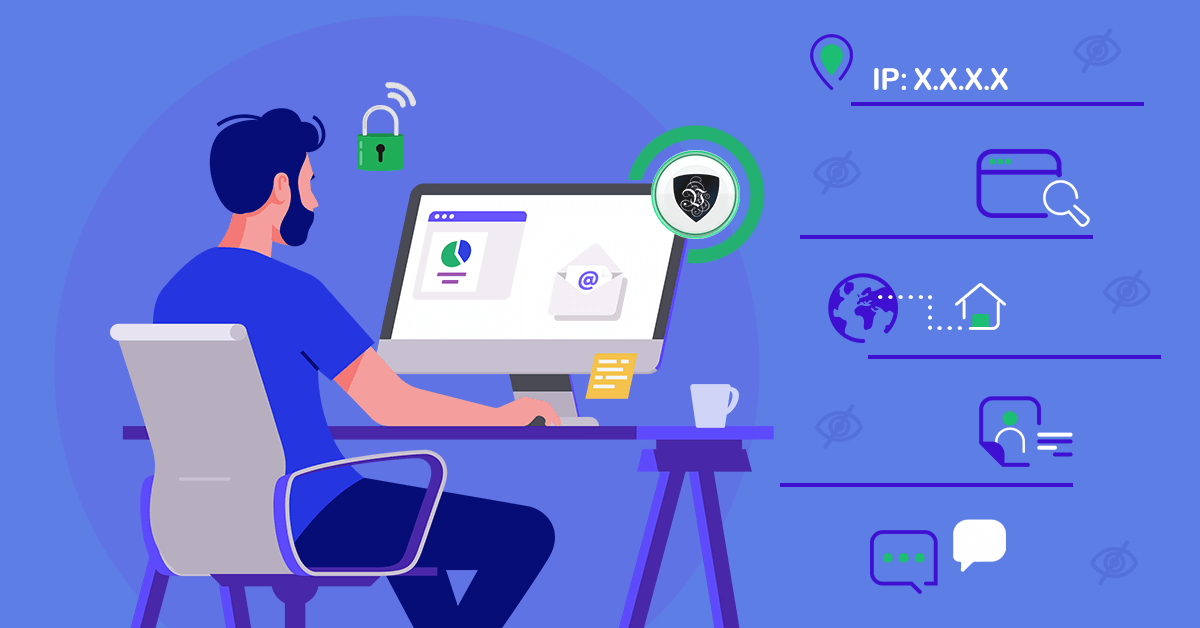
Your device is your unique profile in the digital world. It is the gateway through which you access the internet and interact with various online services. When you connect to the internet, your device’s IP address is exposed, revealing your regional location and sometimes even your identity.
A VPN can stop this by providing you with a different IP address from its servers. This means that any website or service you visit will see the IP address of the VPN server instead of your own. It also means that your actual IP address and regional location are hidden, offering you a greater level of privacy and security.
However, there are several things that a VPN cannot hide. Firstly, it cannot erase your device’s logging activities. While a VPN may prevent your internet service provider from tracking your browsing history, it cannot control what information websites or apps themselves log about your usage.
Another common misconception is that a VPN will fully protect you from viruses and malware. While it can add an extra layer of security by encrypting your data, it won’t prevent you from accidentally downloading malicious files or visiting unsafe websites. It is still important to practice safe browsing habits and use antivirus software to stay protected.
Lastly, a VPN won’t hide the fact that you are using a VPN. Some websites and services, like streaming platforms, may not allow access from VPNs and can detect and block your connection. Additionally, some advertisers and online services may not like when you use a VPN, as it makes it harder for them to track your online activities and show you targeted ads.
In conclusion, a VPN is a secure and private tool that can hide your IP address, regional location, and protect your data-heavy activities. However, it cannot erase your device’s logging activities, protect you from viruses and malware, or hide the fact that you are using a VPN. It is important to understand the limitations and capabilities of a VPN to fully benefit from its defense into the digital world.
Physical Location
One of the main benefits of using a VPN is that it hides your physical location when you’re connected to the internet. This means that websites, advertisers, and even potential spies won’t be able to pinpoint your exact location. When you connect to a VPN server, your actual IP address is replaced with the IP address of the server, making it difficult for anyone to track your online activity back to your physical location.
While a VPN can hide your physical location, it’s important to note that it can’t hide your activity from your internet service provider (ISP) or the VPN service provider itself. In some cases, a VPN provider may track and log certain information about your online activity for their own purposes, such as improving their service or complying with legal requirements. However, reputable VPN providers usually have a strict no-logs policy, which means they don’t keep any records of your online activity.
It’s also worth mentioning that while a VPN can hide your physical location, it can’t fully protect you from all types of threats. For example, it can’t stop malware or viruses from infecting your device, so it’s still important to have a good antivirus program installed. Additionally, a VPN won’t be able to hide your physical location if you disclose it yourself, for example, by providing your address or name during an online session.
In conclusion, a VPN can hide your physical location by replacing your IP address with the IP address of a VPN server. However, it’s important to be aware of the limitations of a VPN and take additional steps to protect your device and online activity.
Personal Data Shared with Websites
In today’s digital age, personal data has become a highly valuable commodity. Websites and online services often collect and store various types of personal information from their users. While a VPN can provide some level of protection, it’s important to understand what personal data can and cannot be hidden when using a VPN.
1. Your Account Information: When you create an account on a website or online service, you typically provide personal details such as your name, email address, and sometimes even payment information. A VPN does not hide this information, as it is necessary for the website to identify you and provide you with access to your account.
2. Your Online Activity: Although a VPN hides your online activity from ISPs and others who might try to monitor your internet connection, it does not hide your activity from the websites and online services you visit. They may still track and log your browsing history, including the websites you visit, the content you interact with, and the actions you take on their platforms.
3. Cookies and Tracking: Websites commonly use cookies and other tracking technologies to collect information about your online behavior. This includes your preferences, browsing habits, and even demographic data. While a VPN can hide your IP address and location, it does not prevent websites from tracking your activity using cookies.
4. Content and Connections: When you use a VPN, your internet traffic is encrypted and routed through a secure tunnel. This protects your data from interception and eavesdropping. However, the content you access, such as websites, images, videos, and files, are still visible to the website or service you connect to. Additionally, a VPN cannot hide the fact that you are connected to a website or service.
5. Your Identity: While a VPN can help protect your online identity by hiding your IP address and encrypting your data, it is not foolproof. In some cases, websites and services may be able to bypass or even discover your real identity, especially if you provide personal information or log into accounts while connected to the VPN.
6. No-Logs Policy: It’s worth noting that while most reputable VPN providers have a strict no-logs policy, meaning they do not track or log your online activity, there are some VPNs that do keep logs. This means that, in certain cases, your online activity could be logged and potentially accessed by third parties.
- In Conclusion:
While a VPN is a valuable tool for enhancing your online security and privacy, it’s important to understand its limitations. It can hide your IP address, encrypt your data, and protect you from hackers and ISPs, but it cannot entirely hide personal data shared with websites. Websites may still be able to track and log your activity, and in some cases, even discover your real identity. Therefore, it’s important to be mindful of the personal information you share online and take additional steps to protect your privacy.
Your Identity
One of the main things that a VPN hides is your identity. When you connect to a VPN server, your IP address is masked and replaced with the IP address of the server. This means that websites, apps, and online services that you visit or use can’t see your real IP address.
With a VPN, your online activities are also hidden from your ISP (Internet Service Provider), as all your data is encrypted and sent through a secure tunnel. This prevents your ISP from tracking, logging, and seeing what you do online.
Moreover, a VPN hides your browsing history from advertisers, government agencies, and other third parties who may be interested in your online activities. It ensures that your online sessions and data remain private and safe.
While a VPN can hide your online identity and activities, it doesn’t fully protect you from all threats. For example, a VPN can’t hide your identity if you provide it directly to a website or app. If you create accounts or sign in with your real information, the VPN can’t hide that.
Additionally, a VPN can’t hide your activities from the websites or apps you visit or use. They can still see the content you browse, the searches you make, and other data-heavy activities you perform.
Moreover, a VPN can’t hide viruses or infections that may be present on your device. If your device is already infected, a VPN can’t prevent those infections from being transmitted to other connected devices.
In summary, a VPN is a powerful tool that can hide many things about your online identity and activities. It can hide your IP address, browsing history, and data from your ISP, advertisers, and other third parties. However, it can’t hide your identity if you provide it directly. It also can’t hide your activities from the websites or apps you visit, nor can it hide viruses or infections on your device.
Encrypted Data Leakage
One of the main benefits of using a VPN is its ability to encrypt your data, ensuring that it remains secure and private while being transmitted over the internet. This encryption helps to prevent data-heavy websites from understanding the content of your online activities and accessing your personal information.
However, it’s important to note that while a VPN can encrypt your data, it doesn’t entirely hide your online activities. Even though your data is secure, your internet service provider (ISP) and other parties may still be able to see that you are connected to a VPN. Additionally, strict tracking methods and technologies may not be easily fooled by a VPN, as they can often detect that your traffic is passing through a virtual private network.
Furthermore, a VPN doesn’t change your IP address completely, but rather masks it by assigning you a new IP address from one of its servers. This means that your IP address can still be tracked to a certain extent, albeit not directly to your actual location. It’s important to note that some VPN services may keep logs of your IP address and session history, which could potentially be used to identify you.
While a VPN helps to keep your online activities private, it doesn’t provide complete anonymity. For example, if you were to log in to your social media account or perform searches using your personal Google account, these platforms may still be able to track your activity and store the information.
To avoid any potential data leakage and maintain your anonymity, it’s recommended to use features like an ad blocker and a no-logs VPN service. The ad blocker helps to prevent websites from tracking your online behavior, while a no-logs VPN service ensures that your online activities are not recorded and stored.
In conclusion, a VPN is a valuable tool for enhancing your online privacy and security. While it can help to hide your traffic from prying eyes, it’s important to understand its limitations and take additional steps to protect your personal information.
Advertiser Disclosure: How VPNs Make Money
When you use a VPN, you may wonder how they manage to provide their services for free or at such low costs. It’s important to understand that VPNs need to generate revenue in order to maintain their operations and continue offering their services. One of the ways VPNs make money is through advertiser disclosure.
Advertiser disclosure is a practice where VPNs partner with advertisers to display targeted ads to their users. These ads may appear as banners on websites or pop-up ads during browsing sessions. VPNs participate in this practice by allowing advertisers to access user data, such as their online activities and browsing history, in order to serve them with relevant advertisements.
Although VPNs aim to protect your identity and keep your online activities private, the use of advertiser disclosure may compromise some aspects of your privacy. While VPNs guarantee to protect your personal information and not log your online activities, advertiser disclosure may expose some of your data to advertisers. Therefore, it’s important to thoroughly read and understand the privacy policy of the VPN service you are using.
When you connect to a VPN, your internet connection is rerouted through the VPN server. This helps in bypassing any tracking attempts by ISPs or websites. However, through advertiser disclosure, ad networks may still be able to track your online activities and build a digital profile about you. This can then be used to target you with more accurate and personalized ads.
VPN services that are transparent about their business models and disclose their advertising practices often have stricter privacy policies. These VPNs are commonly referred to as “no-logs” or “no-spy” VPNs. They make a commitment not to store any logs or spy on their users’ online activities. If privacy is your primary concern, it’s advisable to choose a VPN service that follows such strict privacy policies.
In conclusion, while VPNs hide your IP address, encrypt your connection, and protect your data, they may not be able to fully hide your online activities from advertisers. Advertiser disclosure practices can expose certain aspects of your online profile to advertisers. Therefore, it’s crucial to choose a VPN service that prioritizes privacy and maintains a strict no-logs policy to ensure your personal information and online activities are truly protected.
Subscription Fees

When it comes to using a VPN service, there are a few things you need to consider, one of which is the subscription fees. Many VPN providers charge a monthly or yearly fee for their services, and this cost can vary greatly depending on the provider and the level of service you require.
It’s important to understand that these fees are not just for the VPN itself, but also for the infrastructure required to run the service. VPN providers need to maintain a network of servers around the world, as well as invest in resources to ensure the security and privacy of their users’ data.
While some people may be hesitant to pay for a VPN service, it’s important to remember that the benefits it provides far outweigh the cost. With a VPN, you can disguise your browsing activities, making it safe to access sensitive content or avoid being tracked by ISPs and websites. This tool can also help protect your identity and prevent your online activities from being logged or monitored.
However, it’s worth noting that there are some things a VPN can’t hide. For example, once you’re connected to a VPN, your IP address is changed, making it difficult for websites to track your location. However, it doesn’t hide your digital footprint entirely. Cookies, for example, can still be used to track your online activities, even when using a VPN. In addition, if you’re logged into any accounts while using a VPN, your activity can still be traced back to you.
In most cases, a VPN can’t hide everything and it’s important to understand its limitations. While it can help protect your privacy and security in many ways, it can’t completely erase your digital footprint or protect you from all online threats. It’s always important to use additional security measures, such as antivirus software and strong, unique passwords, to further safeguard your online presence.
Affiliate Programs
Affiliate programs are a popular way for individuals and businesses to earn money by promoting products or services. This type of marketing allows people to earn a commission for each sale or referral they generate. One of the key benefits of affiliate programs is that they allow people to monetize their online presence – be it a website, blog, or social media account.
When participating in an affiliate program, individuals and businesses become partners with the product or service provider. This means that they promote the provider’s offerings and receive a share of the revenue generated from their efforts. Depending on the program, affiliates can earn commissions for sales, leads, clicks, or other actions that result from their promotion.
It’s important to note that affiliate programs are not a get-rich-quick scheme. They require effort, planning, and strategy to be successful. To maximize earnings, affiliates need to identify the right products or services to promote, target the right audience, and utilize effective marketing techniques. It’s also crucial to comply with the program’s terms and conditions, which may include guidelines on advertising, disclosure, and commission structure.
When considering participating in an affiliate program, individuals and businesses should take the time to research different options. They should look for programs that align with their interests and expertise and offer competitive commission rates. It’s also essential to understand the program’s rules and requirements to ensure a good fit.
In conclusion, affiliate programs offer a way for individuals and businesses to earn money by promoting products or services. They provide an opportunity to monetize online presence and earn commissions for sales or referrals. However, success in affiliate marketing requires effort and strategy. It’s important to research different programs, target the right audience, and comply with the program’s guidelines. With proper planning and execution, affiliate programs can be a lucrative income stream.
Data Usage Analytics
Data usage analytics are an important aspect of understanding and managing your online activities. With the increasing reliance on digital connections, it is essential to know what data is being used and how it can be protected. A VPN, or Virtual Private Network, is a service that allows you to encrypt your online activity and hide your IP address, providing an additional layer of security and privacy. While a VPN can hide several aspects of your browsing, there are still some things that it can’t hide.
What a VPN hides:
- Your IP address: One of the most crucial aspects that a VPN can hide is your IP address. By masking your IP address, a VPN makes it appear as if you are browsing from a different location. This is particularly useful when accessing content abroad or for maintaining anonymity online.
- Your browsing history: A VPN encrypts your internet traffic, making it difficult for anyone to see your browsing history. This provides an extra layer of protection against tracking and logging of your online activities.
- Your location: Since a VPN can reroute your internet connection through different servers, it can make it seem like you are browsing from a different location. This can be helpful when accessing region-restricted content or protecting your privacy.
- Your online activity: A VPN encrypts your online activity, including your searches, website visits, and the data you transmit. This means that your online activity remains private, even from your ISP or anyone trying to monitor your internet connection.
What a VPN doesn’t hide:
- Your data usage: While a VPN can protect your online activity, it doesn’t hide the amount of data you are using. This means that your ISP or the service provider may still be able to see how much data you are consuming.
- Your accounts and profiles: A VPN doesn’t hide the information associated with your accounts or profiles. If you log in to a website or an online service, your username, email address, or other identifiable information can still be seen.
- Malware and viruses: Although a VPN can protect your online activity, it doesn’t provide comprehensive protection against malware and viruses. It is still essential to have proper antivirus software installed on your devices to safeguard against these threats.
- Data breaches: A VPN is an excellent defense against various online threats, but it can’t hide the fact that data breaches can occur. If a website or service you use experiences a data breach, your information may be exposed, irrespective of using a VPN or not.
In conclusion, while a VPN provides many capabilities to protect your digital privacy and security, it also has its limitations. It is crucial to understand what a VPN can and can’t hide to make informed decisions about your online activities and take additional measures to ensure your data is secure.
Sponsored Content
Sponsored content plays a key role in the digital world, helping companies promote their products and services to a wide audience. It involves paid partnerships between advertisers and publishers to create engaging and informative content that resonates with the target audience. This form of advertising is often integrated seamlessly into the platform’s design, making it appear as part of the user experience.
When it comes to sponsored content, it is important to know that it doesn’t kill our browsing experience. Instead, it fully protects our online activities and data while giving us the opportunity to discover new products and services. Sponsored content helps facilitate a more personalized and targeted approach to advertising, making it more relevant and useful to users.
One of the main advantages of sponsored content is that it allows advertisers to reach a wider audience and generate brand awareness. By partnering with popular publishers or influencers, they can tap into their followers’ trust and engagement, ultimately driving traffic to their website or increasing brand exposure.
Sponsored content also helps to bypass ad-blockers by providing valuable and relevant information that users actually want to engage with. This makes it a more effective way to reach the target audience compared to traditional banner ads or pop-ups which are often ignored or blocked.
Companies use sponsored content to promote their products and services, share updates or information, or even educate their audience about specific topics. It is important to note that while sponsored content can be informative and entertaining, it should always be clearly labeled as sponsored to ensure transparency and maintain the trust of the audience.
Sale of User Data
One of the main reasons why people use VPNs is to protect their online privacy and prevent the sale of their personal information. A VPN hides your regional IP address and encrypts your internet connection, making it difficult for anyone to track your online activity and identify your true identity. However, it’s important to understand what a VPN can and cannot hide when it comes to the sale of your data.
What a VPN hides:
- IP address: A VPN masks your IP address, making it appear as if you are connected from a different location. This prevents websites and online services from seeing your actual IP and tracking your online activities.
- Geo-location: By changing your IP address, a VPN can also hide your true geo-location, making it difficult for websites and online services to determine your actual physical location.
- Internet traffic: A VPN encrypts your internet connection, protecting your online traffic from being intercepted and seen by hackers, government agencies, or other malicious entities.
- Online identity: With a VPN, your online identity remains protected, as your internet activity is routed through a secure server, making it difficult for others to discover your true identity or trace your online actions back to you.
What a VPN can’t hide:
- Data disclosure: While a VPN can protect your data from being intercepted while in transit, it cannot prevent you from voluntarily disclosing your personal information on websites, social media platforms, or other online services.
- Data-heavy services: Some data-heavy services, such as streaming platforms, may still be able to see your real IP address even when connected to a VPN. This is because they require your IP address to deliver the streaming content to your device.
- Automatic tracking: A VPN cannot protect you from automatic tracking technologies, such as cookies, which are installed on your device and used by websites to track your online activity.
- Viruses and malware: While a VPN can protect your internet traffic, it does not provide comprehensive protection against viruses and malware. You still need to use antivirus software and practice safe browsing habits to avoid these threats.
In summary, a VPN is a powerful tool for protecting your online privacy and identity, but it has its limitations. It can hide your IP address, geo-location, internet traffic, and online identity, but it cannot prevent data disclosure, protect against all threats, or hide certain data-heavy services. It’s important to understand these limitations and take additional measures to ensure your digital security.
Вопрос-ответ:
What does a VPN hide?
A VPN hides your IP address, making it difficult for websites and online services to track your location and online activities.
Can a VPN hide your browsing history?
Yes, a VPN can hide your browsing history by encrypting your internet traffic and routing it through a secure server. However, it’s important to note that some VPN providers may keep logs of your online activities, so it’s crucial to choose a reliable and trustworthy VPN service.
Does a VPN hide your online identity?
Yes, a VPN can hide your online identity by masking your IP address and encrypting your internet traffic. This makes it difficult for anyone to trace your online activities back to you. However, it’s important to remember that while a VPN provides a high level of anonymity, it’s still possible to be identified through other means, such as by using social media accounts or sharing personal information online.
Can a VPN hide your connection from your internet service provider?
Yes, a VPN can hide your connection from your internet service provider (ISP). When you use a VPN, all of your internet traffic is encrypted and routed through a secure server before reaching its destination. This means that your ISP will only see encrypted data, making it difficult for them to monitor your online activities or throttle your internet speed based on your usage.
Видео:
Does a VPN Hide Your IP Address?
Does a VPN Hide Your IP Address? by VPN Wisdom 1 year ago 7 minutes, 57 seconds 8,007 views
How to bypass VPN blocks for good
How to bypass VPN blocks for good by CyberNews 1 year ago 5 minutes, 26 seconds 95,776 views
The Video VPN Companies Don’t Want You to See
The Video VPN Companies Don’t Want You to See by All Things Secured 1 year ago 9 minutes, 30 seconds 59,521 views
