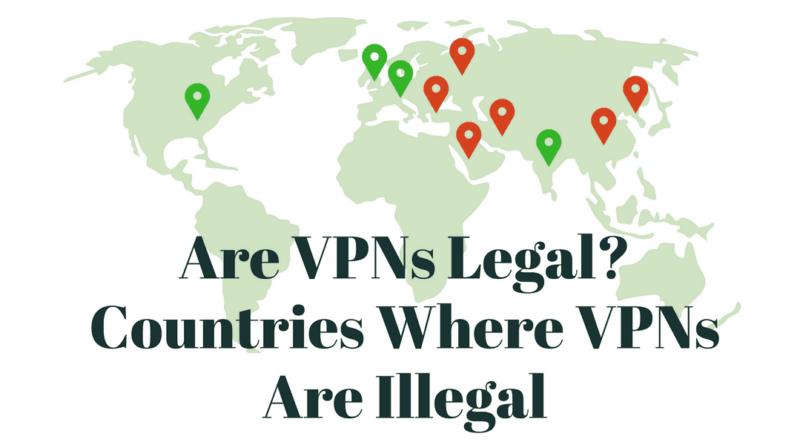
Are VPNs Legal? A Comprehensive Guide to 2023 VPN Laws in The US, China & The World
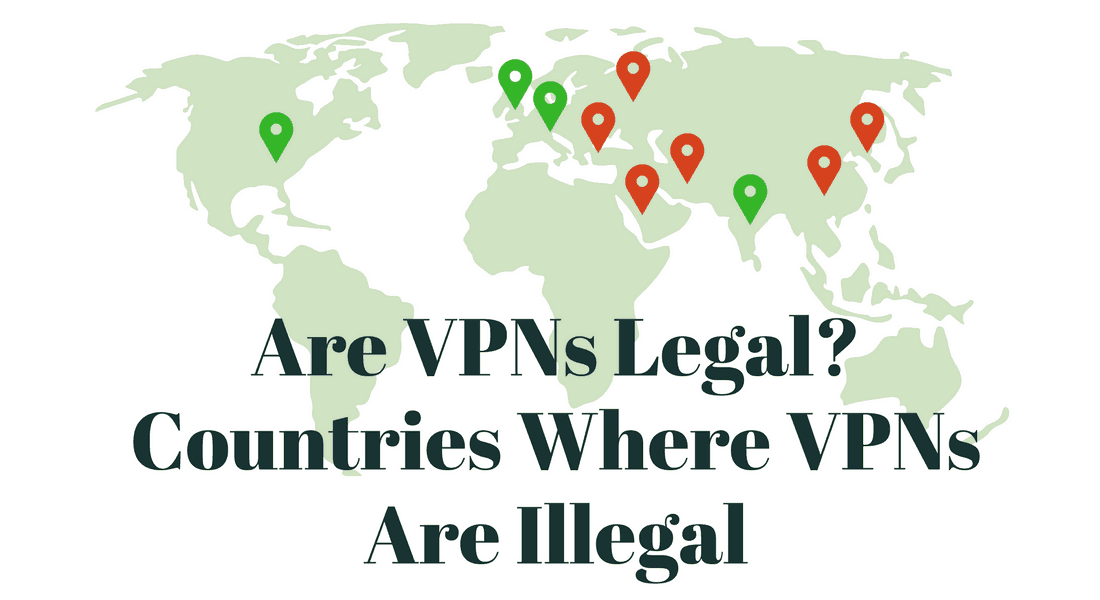
In today’s digital landscape, VPNs have become essential tools for internet users around the world. A VPN, or Virtual Private Network, allows users to bypass restrictions and access content that may be blocked in their country. But are VPNs legal?
The legality of VPNs varies from country to country. In the United States, for example, VPN usage is generally legal. However, there are certain technologies and activities that can be restricted, such as hacking or using a VPN for illegal purposes. In China, on the other hand, the use of VPNs is heavily regulated. The authorities require VPN operators to obtain an authorization before offering their services, and failure to comply can result in fines.
It is important for users to understand the legality of VPNs in their own country. In some parts of the world, VPN usage is restricted or even outright illegal. For example, in countries like Oman, Iraq, and Russia, the use of VPNs is heavily regulated and can result in fines or even imprisonment. However, in other countries like Australia, while using a VPN is legal, there are certain activities, such as cybercrime or violating copyright laws, that are still subject to penalties.
For users who are concerned about the legality of using a VPN, there are VPN providers that comply with the regulatory environment of different countries. These providers offer VPN services that are in line with local laws and ensure that users can access the internet safely and securely without violating any legal restrictions. However, it is always best for users to stay updated on the VPN laws in their country and understand what they can and cannot do when using a VPN.
Are VPNs Legal?
In today’s digital landscape, the use of Virtual Private Networks (VPNs) has become increasingly common. VPNs offer individuals and organizations a secure way to browse the internet and protect their online privacy. However, the legality of VPNs varies from country to country. In some jurisdictions, the use of VPNs is completely legal and even encouraged, while in others, strict regulations and bans are in place.
Legal Status of VPNs in Different Countries
1. United States: In the US, VPNs are legal to use. However, there are certain activities that can be considered illegal, such as using a VPN for illegal file sharing or cybercrime. Some states have also introduced laws that prohibit the use of VPNs for circumventing geo-blocking.
2. China: The Chinese government has taken a strict stance on VPNs. The Ministry of Industry and Information Technology (MIIT) has implemented network-level restrictions and fines on VPN usage. However, some individuals and businesses still manage to use VPNs to access blocked content overseas.
3. Belarus: The use of VPNs is legal in Belarus, but there are certain restrictions. Internet service providers (ISPs) are required to monitor and store user data, and VPN operators must comply with government regulations.
4. Turkey: While VPNs are legal in Turkey, the government has been imposing restrictions in recent years. VPN operators have faced fines and in some cases, their services have been partially or fully blocked by ISPs.
5. United Arab Emirates (UAE): The UAE bans the use of VPNs for illegal activities such as hacking and cybercrime. However, individuals and corporations can still use VPNs for legitimate purposes, as long as they comply with the country’s laws and regulations.
6. Oman: The use of VPNs without the approval of the government is illegal in Oman. The Telecommunications Regulatory Authority (TRA) has the authority to monitor and block VPN usage, and individuals found using VPNs without permission may face fines or imprisonment.
Conclusion
The legality of VPNs varies from country to country, with some nations implementing strict regulations and outright bans. While VPNs are legal in most countries, individuals and businesses should be aware of the specific laws and regulations in their jurisdiction to avoid any legal trouble. It is essential to use VPN services for legitimate purposes and comply with the local rules to ensure a safe and compliant online experience.
3 VPN Laws in The US, China & The World
1. VPN Laws in The US
In the US, the use of VPNs is legal, but there are certain laws and regulations that govern their operation. While VPNs provide internet users with the ability to browse the internet privately and securely, they can also be used for illegal activities, such as accessing copyrighted content or conducting cybercrimes.
The US government can fine individuals or companies who violate these laws. However, fines are typically imposed on operators of illegal gambling websites or those engaged in other illicit activities using VPNs.
It’s important to note that while VPNs are legal in the US, the government does monitor and regulate the use of VPNs for national security purposes.
2. VPN Laws in China
In contrast to the US, China has implemented stricter laws regarding the use of VPNs. The Chinese government has blocked many popular VPN services and requires VPN providers to obtain a license from the government to operate legally in the country.
China’s Ministry of Industry and Information Technology (MIIT) is responsible for enforcing these laws and regulations. Non-compliant VPN operators can face fines and even criminal charges. The Chinese government aims to control and monitor internet traffic to prevent access to restricted or sensitive information.
Only government-approved VPNs, which are often used for corporate communication and exchanges, are allowed in China. Individual users can face legal consequences if found using VPNs without proper authorization.
3. VPN Laws in the World
VPN laws vary across the world, with some countries having more restrictive regulations than others. For example, in Belarus, the use of VPNs is partially restricted, and certain VPN providers are blocked. The government has increased its enforcement of VPN regulations in recent years, resulting in fines and legal actions against non-compliant operators.
On the other hand, there are countries like Russia, where the use of VPNs is legal but heavily regulated. VPN providers must comply with certain registration procedures and keep user data for up to 6 months. This level of regulation allows authorities to monitor VPN usage and potentially restrict access to certain websites or content.
In North Korea, the use of VPNs is illegal, and individuals caught using them can face severe punishment. The government aims to tightly control internet access and prevent any information flow outside the country.
Tips:
- Research the VPN laws and regulations in your country or the country you plan to visit before using a VPN.
- Choose a reputable VPN provider that operates in accordance with the legal requirements of the jurisdiction they are based in.
- Be aware of any potential risks or consequences of using a VPN in a restricted country.
Key Takeaways
Bypass Restrictions: VPNs are often used to bypass restrictions imposed by governments or internet service providers. They provide a secure and encrypted connection, allowing users to access blocked or censored content.
Legal Consequences: While VPNs themselves are legal in most countries, the legality of their use can vary. In some countries, using a VPN to access restricted content or carry out cybercrime can lead to fines or imprisonment.
Location-Restricted Content: VPNs are particularly useful for accessing location-restricted content. For example, users in the UAE can use a VPN to bypass the Ministry of Interior’s Telecommunications Regulatory Authority’s restrictions and access websites and streaming platforms that are blocked within the country.
Protect Your Communication: VPNs encrypt your internet traffic, making it harder for third parties to intercept and monitor your online communication. This can be especially important in countries where online privacy is limited.
Updated VPN Laws: It’s essential to stay updated on VPN laws and regulations, as they can change over time. Some countries, such as Russia and Belarus, have introduced laws that require VPN operators to comply with government demands for access to user data.
Choose the Best VPN: When using a VPN, it’s crucial to choose a reliable provider that prioritizes privacy and security. Look for services that offer a no-logs policy and have strong encryption protocols in place.
Are VPNs Legal in the US
When it comes to the legal status of VPNs in the United States, the situation is quite clear: VPNs themselves are legal, but their usage can be subject to certain restrictions and regulations.
Legal and Authorized: VPNs are legal in the US, and individuals have the right to use them for various purposes, such as enhancing online privacy, accessing geo-restricted content, or protecting sensitive data. However, it is important to note that VPN operators must comply with certain laws and regulations to remain within the legal boundaries.
Restrictions and Compliance: While VPNs are legal, there are certain compliance requirements that VPN operators need to adhere to. For example, they may be required to keep records of user activity, cooperate with law enforcement authorities, or follow specific data protection regulations.
Harsh Consequences Abroad: Despite the legality of VPNs in the US, using them in certain countries, such as Iraq and North Korea, can lead to severe consequences. In Iraq, the use of VPNs is strictly prohibited, and individuals can face harsh penalties if caught bypassing government restrictions using these technologies.
Regulatory Oversight: Regulatory agencies in the US can impose restrictions on VPN operators if they are found to be engaged in illegal activities, such as facilitating illegal content distribution or cybercrime. In such cases, both the operators and their users may face legal consequences.
The Takeaways
- Legal but regulated: VPNs are legal to use in the US, but operators must comply with specific regulations.
- Consequences abroad: Using VPNs in certain countries may lead to severe penalties and legal trouble.
- Regulatory oversight: Government agencies can impose restrictions on VPN operators and their users if illegal activities are involved.
- Know the terms: Before using a VPN, it’s essential to understand the provider’s policies and ensure they are operating within the legal boundaries.
- Understanding the landscape: The legal status of VPNs can vary from country to country, so it’s important to be aware of the specific regulations in the region you are accessing.
Compliance Tips
1. Understand what VPNs are legal in your country: The laws regarding VPN usage vary from country to country. For example, Turkey and Australia have restrictions on VPN usage, while in countries like the United States, VPNs are generally legal.
2. Be aware of the illegal activities associated with VPN usage: While VPNs themselves are not illegal, they can be used for illegal activities. As a VPN user, it is important to comply with the laws and regulations of your country and refrain from engaging in any illegal activities.
3. Choose a reputable VPN provider: It is crucial to select a trusted VPN provider that adheres to strict privacy policies and does not engage in any unlawful activities. Research and read reviews to ensure that the provider you choose is reliable and trustworthy.
4. Avoid using VPNs to access restricted content: Using a VPN to bypass geo-restrictions and access restricted content can be against the terms of service of certain platforms or websites. Be cautious and ensure you are not violating any rules or regulations when using a VPN.
5. Stay up-to-date with VPN laws and regulations: VPN laws can change over time, so it is important to stay informed about any updates or changes in the legal landscape. This will help you avoid any trouble or legal repercussions associated with VPN usage.
6. Understand the potential risks of using VPNs in restrictive countries: In countries with strict internet censorship, using a VPN may carry risks. Governments in these countries may impose harsh penalties for using VPNs to access sensitive content or for engaging in activities that go against the local laws.
7. Use VPNs legally and responsibly: While VPNs can provide privacy and security benefits, it is crucial to use them in a legal and responsible manner. Avoid using VPNs for illegal activities or to carry out malicious actions that may harm others.
Final Considerations:
VPN technologies can be a valuable tool for individuals and businesses to protect their online privacy and security. However, it is essential to ensure that VPN usage complies with local laws and regulations. By following these compliance tips, users can safely and legally utilize VPNs without running into any legal issues or risks.
Iraq Illegal
The use of VPNs in Iraq is currently illegal according to the country’s regulatory authorities. The Ministry of Communications, for example, has taken steps to tighten control over the country’s private communications network. This includes network-level monitoring to determine whether VPNs are being used, especially for online activities which the Iraqi authorities consider to be illegal.
Even though the use of VPNs remains partially legal in Iraq, there are still risks involved for users. For example, the Islamic State of Iraq and Syria (ISIS) has publicly stated its opposition to private networking technologies, viewing them as a threat to its control and compliance with its strict rules. This means that if a user is found to be using a VPN, they could face trouble with the authorities or even the ISIS, depending on the specific circumstances.
Why are VPNs Illegal in Iraq?
There are several reasons why the use of VPNs is illegal in Iraq. One of the main reasons is the government’s desire to have control over online content and communications within its borders. By prohibiting the use of VPNs, the authorities can more easily monitor and censor online activity, preventing the dissemination of information they deem inappropriate or threatening.
Additionally, the use of foreign-invested VPNs in Iraq may be seen as a security risk. The government may be concerned about potential espionage or foreign influence on its internal affairs. By making VPNs illegal, the authorities can limit the access and use of these technologies, reducing the potential for foreign interference.
The Landscape of Internet Censorship in Iraq
Internet censorship in Iraq is a complex issue. While the government actively censors and monitors online content, there are also other entities, such as extremist groups like ISIS, that impose their own restrictions on internet activity. This creates a challenging landscape for users in Iraq, who may find it difficult to freely access and share information.
Despite the legal restrictions, some individuals in Iraq continue to use VPNs to bypass censorship and access blocked content. However, using a VPN in a country where it is illegal can have serious consequences, including fines, imprisonment, or even physical harm. Therefore, individuals in Iraq should exercise caution if they choose to use a VPN and carefully consider the potential risks involved.
Final Thoughts: Are VPNs Legal?
In today’s compliance-heavy and restrictive cyber landscape, the legality of using VPNs remains a complex issue. While VPNs were initially designed to provide enterprise-level network security, they have gained popularity among individuals as well. This has led to a regulatory setting that varies from country to country, making it crucial to understand the legal consequences of VPN usage.
In some countries, such as China and Oman, the use of VPNs is strictly restricted. For example, in Oman, using a VPN for illegal purposes carries heavy penalties, and in China, the government has been tightening its grip on VPN usage, blocking access to many popular VPN providers.
On the other hand, there are countries like the United States and Belarus where the use of VPNs is legal. However, there are certain compliance requirements that users must adhere to, especially when it comes to issues of cybercrime and national security.
For location-restricted content, VPNs can be a useful tool. In countries with strict internet censorship, such as North Korea and Russia, VPNs offer users the ability to access blocked websites and content. However, it’s important to note that using VPNs for illegal activities, such as accessing sensitive government agencies’ networks or promoting terrorism, can lead to severe legal consequences.
In the case of corporate and foreign users, the legality of VPN usage may differ. While using a VPN in a corporate setting to enhance data security and privacy is generally accepted, there may be specific regulatory requirements that need to be met. Similarly, foreign users may face fines or other legal consequences if they use VPNs in countries where they are explicitly banned.
In summary, while VPNs can provide privacy and security benefits, their legality is heavily dependent on the country and the specific circumstances of their usage. Users should research and understand the legal landscape and regulatory requirements before relying on VPNs for their online activities.
VPN compliance in China
The use of VPNs in China is heavily regulated and monitored by the government. While VPNs themselves are not illegal, individuals and companies must comply with strict regulations in order to legally use them within the country.
In China, the Ministry of Industry and Information Technology (MIIT) has the authority to oversee and regulate VPN use. All VPNs must be registered with the MIIT and obtain the necessary licenses to operate legally. Failure to comply with these requirements can result in severe repercussions.
When using a VPN in China, it is important to note that only government-approved VPNs are permissible. These VPNs are typically provided by state-owned or dedicated telecom companies. The use of other VPN providers or foreign-based services may be considered illegal.
While the primary purpose of VPN use in China is to circumvent restrictions on internet content and communication, it is essential to exercise caution. Government surveillance and monitoring technologies are highly advanced, and unauthorized VPN use can lead to trouble with the authorities.
If you are in China and need to use a VPN for legitimate purposes, it is advisable to obtain proper authorization from the government or choose a government-approved VPN provider. This will ensure compliance with the country’s laws and regulations regarding VPN usage.
Before using a VPN in China, it is crucial to understand the legal landscape and the specific terms and conditions set forth by the Chinese government. Familiarize yourself with the MIIT’s guidelines and consult with legal professionals if necessary.
Here are some basic tips to consider when using a VPN in China:
- Use a government-approved VPN provider.
- Ensure compliance with all registration and licensing requirements.
- Understand the permitted uses and avoid engaging in any illegal activities.
- Be aware of the potential risks and repercussions of unauthorized VPN use.
- Stay updated on any changes or updates to the regulations.
In summary, VPN compliance in China is a complex issue where individuals and businesses must navigate a heavily regulated and monitored landscape. Understanding the legal framework and ensuring compliance is crucial to avoid running afoul of the authorities.
Iran Legal — Restricted
In Iran, the use of VPNs is legal, but the government imposes restrictions on its use. According to the notice issued by Iran’s Ministry of Information and Communications Technology (MICT), the use of VPNs for cybercrime, such as hacking or accessing illegal content, is strictly prohibited. In accordance with Article 6 of the country’s Cybercrime Law, individuals found violating these terms may face harsh penalties.
While using VPNs to maintain privacy and access blocked content is legal, it is crucial for users to be aware of the restrictions and legal implications. Providers should also ensure that their services comply with the legal framework set by the Iranian government. Failure to do so may result in penalties and potential legal consequences.
In Iran, the government monitors online activity closely, and internet service providers are required to cooperate with intelligence and security agencies. This means that any suspicious or illegal activities carried out using VPNs may be detected, leading to potential legal action.
It is important for users in Iran to understand the legality and limitations of VPN usage to ensure compliance and protect sensitive information. While VPNs can help protect online privacy and access blocked content, individuals must use them in accordance with local laws and regulations to avoid any legal repercussions.
In summary, VPNs are partially legal in Iran, but users must be cautious and fully understand the legal framework surrounding their use. As with any country, it is important to stay informed and comply with local regulations to avoid any potential legal issues.
North Korea Illegal
In North Korea, the use of VPNs is illegal. The government controls and monitors all forms of online communication within the country. The use of VPNs is strictly prohibited, as it is seen as a way to bypass the government’s control and censorship. North Korea heavily restricts access to the internet, and any attempt to use a VPN or other technologies to access restricted content can lead to severe consequences.
The North Korean government has maintained a heavily controlled online environment, where even private communication is restricted. The use of VPNs or even proxies is considered illegal, as they allow users to bypass the government’s authorized gateway. The authorities know that individuals may attempt to use VPNs for unauthorized purposes and tighten their control to prevent any unauthorized access to the global internet.
In accordance with local laws and regulations, the use of VPNs is strictly prohibited in North Korea. The telecommunication enterprise, which is controlled by the government, maintains a strict policy against the use of VPNs. Any individual found using a VPN can face imprisonment or other severe consequences.
Despite the illegal nature of VPNs in North Korea, some individuals may still attempt to use them to access restricted content or maintain online privacy. However, the risks associated with using VPNs in North Korea are significant. The government has advanced surveillance systems in place that can detect VPN usage and track down users. The consequences for using a VPN in North Korea can be severe, including imprisonment.
Overall, it is important to note that the use of VPNs in North Korea is illegal and heavily restricted. Individuals should understand and abide by the local laws and regulations regarding VPN usage to avoid any legal trouble or harm.
Belarus Illegal
In the landscape of VPN regulations, Belarus has a dedicated approach when it comes to location-restricted services. The authorities heavily control telecommunications within the country, prohibiting the use of VPNs for international connections. For example, using a VPN to access foreign websites or private addresses can result in fines and legal repercussions.
The regulatory lines in Belarus are thought to comply with the government’s efforts to maintain control and surveillance over online activity. While some permissible lines can be found for corporate and enterprise use, the general population is faced with the partial or complete prohibition of VPN usage.
For individuals who use VPNs in Belarus, the consequences of violating the regulations can be severe. Many face fines or even imprisonment for using VPNs that do not comply with the heavily regulated network. The authorities monitor and track VPN usage, making it difficult for individuals to maintain their privacy and access information freely.
Although VPN usage is heavily restricted in Belarus, there are still those who find ways to access location-restricted content or maintain a private connection. However, these individuals often face the risk of legal repercussions and must weigh the potential fines or imprisonment against the benefits of using a VPN.
It is worth noting that Belarus is not the only country where VPN usage is partially or completely illegal. Countries like Iran and Russia also have strict regulatory control over VPNs, although the reasons and extent may differ. In any case, individuals and organizations must carefully consider the laws and regulations in their respective locations before using VPN services.
In conclusion, the use of VPNs in Belarus is illegal in most cases, with strict regulatory control and potential legal repercussions. While some permissible use may be found for corporate and enterprise purposes, individuals face heavy limitations in accessing location-restricted content or maintaining a private connection. Thoughtful consideration and understanding of the laws and regulations are essential when using a VPN provider in Belarus and similar countries.
What Can I Legally Use a VPN For?
When it comes to using a VPN legally, there are several purposes that are generally accepted and allowed in most countries.
1. Privacy and Security:
A VPN can be legally used to enhance your privacy and protect your personal information from cybercrime. It encrypts your internet traffic and hides your IP address, making it difficult for hackers to access your data.
2. Accessing Censored Content:
In countries like the UAE, Oman, China, and Iran, where authorities have strict control over online content, a VPN can help individuals bypass censorship and access blocked websites or social media platforms. However, it’s important to consider whether using a VPN is legal in those countries.
3. Location-Restricted Access:
VPNs can also be used to access location-restricted content. For example, if you’re traveling abroad and want to watch content that is only available in your home country, a VPN can help you bypass those restrictions. However, it’s important to respect copyright laws and use VPNs for personal use only.
4. Anonymous Internet Browsing:
Using a VPN can also allow you to browse the internet anonymously, hiding your online activities from your ISP and other prying eyes. This can be useful if you prefer to keep your online activities private.
5. Remote Work and Business Purposes:
Many companies use VPNs to secure their network-level communications and allow remote access for their employees. VPNs can help protect sensitive business information and ensure secure communication between different office locations.
6. Compliance with Company Policies:
In some cases, using a VPN may be a requirement for complying with company policies, especially for employees who work remotely or access company resources from outside the office. It’s important to familiarize yourself with your company’s policies regarding VPN usage.
In general, using a VPN for legal purposes is widely accepted and allowed. However, it’s crucial to be aware of the specific laws and regulations regarding VPN usage in your country or the country you are currently in, as some countries impose bans or restrictions on VPNs. Always stay updated on the legal status of VPNs to avoid potential consequences.
Regulatory environment
When it comes to the regulatory environment surrounding VPNs, it varies greatly from country to country. While some governments have embraced the use of VPNs as a way to protect user privacy and security on the international network, others have taken a more restrictive approach.
International regulations
In accordance with international regulations, governments have the authority to regulate the use of VPNs within their borders. Several countries have updated their laws to address VPN usage, with some imposing fines for unauthorized use of VPNs.
China’s control over VPNs
China, for example, has strict regulations in place regarding the use of VPNs. The government’s Ministry of Industry and Information Technology (MIIT) requires VPN providers to obtain a license and comply with certain guidelines in order to operate within the country. Failure to do so can result in penalties, including fines and potential service disruptions.
Iran’s internet restrictions
In Iran, the use of VPNs is something that is less regulated, but still carries consequences. While it is not outright illegal to use a VPN, there have been instances of fines and penalties for using VPNs to access location-restricted content or bypass internet censorship.
Belarus’ corporate proxy law
In Belarus, the government has implemented a corporate proxy law that requires businesses to route their internet traffic through servers located within the country. This law applies to both domestic and foreign businesses operating in Belarus. Failure to comply with this requirement can result in fines and potential shutdowns.
Turkey’s restrictions on streaming apps
Turkey has also taken steps to regulate VPN usage, particularly when it comes to streaming apps. The government has blocked access to certain streaming platforms, and VPN providers that do not comply with these regulations may face fines or other legal consequences.
Overall, it is important for users to be aware of the legal and regulatory environment surrounding VPN usage in their respective countries. While VPNs can provide added security and privacy, it is essential to understand and comply with the laws and regulations in place to avoid any potential legal issues.
Turkey Legal — Restricted
When it comes to VPN usage in Turkey, the legal landscape can be described as restricted. In Turkey, the use of VPNs itself is not illegal, but there are some restrictions and limitations imposed by the government.
In recent years, Turkey has been cracking down on VPN usage due to concerns about terrorism and online security threats, such as ISIS recruitment and hacking activities. While VPNs can be used for various legitimate purposes, such as bypassing internet restrictions and streaming content, the government has imposed strict regulations to prevent their misuse.
One of the main restrictions in Turkey is that VPN operators must comply with the Ministry of Communication’s regulations. This includes registering with the government and keeping user data for two years. Failure to comply can result in heavy fines for the operators.
While the use of VPNs for personal use is not explicitly illegal, the government has the power to block VPN access if it is deemed necessary. In some cases, VPNs have been outright banned, making it difficult for users to access blocked websites and social media platforms.
However, not all VPN activities are considered illegal in Turkey. VPN usage for legitimate purposes, such as protecting online privacy and accessing geo-restricted content, is generally tolerated. The government’s main concern is preventing cybercrime and protecting national security.
In terms of getting around the restrictions, some users in Turkey have resorted to using VPNs based in other countries to bypass censorship and access restricted content. However, this is not without risks, as violating the regulations can lead to fines and legal consequences.
In summary, while VPN usage in Turkey is technically legal, the government imposes strict restrictions and regulations. The use of VPNs for illegal activities, such as cybercrime or violating national security, can result in legal consequences. Therefore, it is important for users in Turkey to be cautious and aware of the limitations when using VPNs.
Oman Partially Illegal
In Oman, the use of VPNs is partially illegal due to the government’s strict control over internet usage. While the country does not explicitly ban VPNs, it heavily regulates their use and imposes consequences for violating these regulations.
It is important to understand that using a VPN connection in Oman is less common compared to other countries, as the government has established a centralized gateway for internet networking. This gateway allows the authorities to monitor and control the flow of internet traffic, including VPN connections.
While VPNs can still be accessed and used within Oman, it is crucial to be aware of the potential repercussions. Foreign-invested companies and individuals, especially those from countries with a history of strained diplomatic relations with Oman, may face stricter enforcement and harsher consequences for using VPNs.
What makes the situation even more complex is that the government has periodically updated its laws regarding VPN usage, making it difficult to fully comprehend the legal implications. Therefore, it is best to consult legal experts or authorities familiar with Omani regulations before using a VPN in the country.
In addition, the government’s efforts to control internet access in Oman extend to public WiFi networks. While there are no specific laws against using VPNs in public WiFi networks, the authorities prioritize monitoring and restricting access to certain websites and platforms, rather than focusing on VPN usage. However, it is still important to exercise caution and be aware of the potential consequences.
Overall, while VPN usage might not be explicitly illegal in Oman, it is important to understand the regulatory landscape and potential repercussions before using a VPN within the country. Consulting legal experts, especially those well-versed in Omani laws, can help individuals and businesses navigate the complexities and ensure compliance with the regulations in place.
China: Partially Illegal
In China, the use of VPNs is partially illegal. While VPNs are not explicitly banned, there are strict regulations in place that limit their use and require operators to obtain government authorization.
China’s cybercrime laws, particularly the 2017 cybersecurity law, contain provisions that restrict the use of VPNs. According to these laws, VPN operators must be authorized by the government and comply with certain regulations and restrictions.
What does this mean for VPN users in China? First, it means that not all VPNs are permissible, and using unauthorized VPN services can have legal consequences. In fact, the Chinese government has implemented stricter enforcement measures in recent years, cracking down on unauthorized VPN operators and blocking access to their services.
In addition, using VPNs to bypass network-level restrictions and access unauthorized content can also result in fines or other penalties. The Chinese government has been known to impose fines on individuals found violating these restrictions. Moreover, VPN operators that fail to comply with the regulations may face fines, imprisonment, or even the shutdown of their services.
However, it’s worth noting that there are still some legal use cases for VPNs in China. For example, businesses and individuals can use VPNs for secure communication and to maintain a connection with networks abroad. Additionally, some government-authorized VPN services are available for those who comply with the regulations.
In summary, while the use of VPNs is partially illegal in China, there are certain restrictions and regulations in place that allow for limited and authorized use of VPN services. It is important to stay updated on the current laws and comply with them to avoid legal consequences.
The Consequences of Using a VPN for Illegal Activity
While VPNs have gained popularity as a means to bypass location-restricted content and maintain privacy online, using a VPN for illegal activity can have severe consequences. VPNs allow users to encrypt their communication and hide their true IP address, making it difficult for authorities to track their online activities. However, this anonymity does not exempt individuals from the law.
The Legal Landscape
Before delving into the consequences of using a VPN for illegal purposes, it’s important to understand the legal implications. The legality of VPN usage varies from country to country. While VPN services are generally legal in most jurisdictions, their usage for illegal activities is strictly prohibited.
In countries like Russia and Belarus, the legal landscape surrounding VPNs has become more complex. Recent laws have been updated to require VPN operators to maintain logs of their users’ online activities and make them available to authorities upon request. Failure to comply with these regulations can lead to harsh penalties and even criminal charges.
Getting Caught
If you’re using a VPN to engage in illegal activities, you are not immune to getting caught. While VPNs may provide some level of anonymity, authorities have sophisticated technologies and methods to track and identify individuals engaging in illegal activities, especially when it involves hacking, copyright infringement, or other criminal acts.
Internet service providers and VPN operators, under pressure or due to their own compliance requirements, may cooperate with law enforcement agencies and share details of user activities. Consequently, using a VPN does not guarantee complete protection from detection and prosecution.
The Consequences
If caught using a VPN for illegal activities, legal consequences can be severe. Depending on the jurisdiction, penalties can range from heavy fines to imprisonment and criminal records. In some cases, individuals may face both civil and criminal charges.
Not only can legal consequences be harsh, but the reputation and trustworthiness of individuals or businesses involved in illegal activities can be irreversibly damaged. Employers, clients, and partners may sever ties, making it difficult to find future opportunities.
It’s important to understand that while VPNs provide a level of privacy and security online, they should be used for lawful and permissible purposes. Using a VPN to commit illegal activities is not only ethically wrong but can also have serious legal and personal ramifications.
UAE Legal — Restricted
The use of VPNs in the United Arab Emirates (UAE) is legal, but it comes with certain restrictions. While individuals can use VPNs for personal activities like accessing blocked content or enhancing online privacy, there are some important tips to keep in mind.
Firstly, VPN usage in the UAE should be limited to personal use only. Engaging in any activities that involve unauthorized parties, such as hacking or participating in illegal activities, is strictly prohibited and can lead to harsh consequences.
Furthermore, it is essential to ensure that the VPN service provider is a qualified operator, as using unlicensed VPNs is illegal in the UAE. The authorities have the power to fine or even imprison individuals found to be using illegal VPN technologies.
In addition to these restrictions, the UAE has implemented a dedicated regulatory environment for VPNs. This means that VPN operators must comply with certain laws and regulations, including providing information to the authorities when required.
Overall, while VPNs are legal in the UAE, users must be aware of the limitations and consequences of violating the regulations. It is important to use VPNs responsibly and to refrain from engaging in any illegal activities while using them.
Where Are VPNs Illegal
In some countries, the use of VPNs is considered illegal due to various reasons such as strict content control, government regulations, and concerns about national security. Here are a few examples of countries where VPNs are partially or fully restricted:
China
- In China, VPN usage is strictly regulated by the government. The country’s Great Firewall blocks access to many foreign websites and services, which can be bypassed by using a VPN. However, the Chinese government requires VPN providers to obtain a license from the Ministry of Industry and Information Technology (MIIT) in order to operate legally.
- Operating a VPN business without proper authorization can lead to fines and other legal consequences.
Iran
- In Iran, the use of VPNs is partially legal, but only under certain conditions and for qualified purposes. VPNs must be registered with the government and used in accordance with their guidelines.
- Using a VPN for accessing restricted content or circumventing government control is considered illegal.
Oman
- Oman has strict laws regarding the use of VPNs. It is illegal to use a VPN for any purpose without appropriate authorization from the government.
- Using a VPN without compliance can result in fines and other legal repercussions.
North Korea
- In North Korea, the internet is heavily restricted and controlled by the government. The use of VPNs for accessing foreign websites or communication is forbidden.
- Using a VPN in North Korea can have severe consequences, including imprisonment.
It is important to understand the legal implications of using a VPN in any country, as the legality varies and can change over time. If you are considering using a VPN abroad, it is recommended to research and comply with the local laws and regulations to avoid any potential legal issues.
Russia: Partially Illegal
In terms of VPN legality, Russia falls into the category of countries where the use of VPNs is partially illegal. Russian authorities have implemented strict regulations and enforcement measures when it comes to VPN usage.
The Russian government has become increasingly concerned about cybercrime, hacking, and the dissemination of illegal content. For example, the Russian networking bill known as the “Yarovaya Law” grants authorities the power to impose strict fines on VPN operators who fail to comply with data retention requirements.
While the use of VPNs is technically legal in Russia, the enforcement and compliance landscape is complex. Operators must comply with the data retention laws, and users may face repercussions if they are found using a VPN for illegal activities.
What is more, the Russian government has taken steps to tighten the control over VPN technology. For instance, in 2023, the government gave the Federal Security Service (FSB) the authority to block certain VPN services. This move further restricts access to VPNs and strengthens the government’s ability to monitor online activities.
Although the government’s efforts have made it more challenging to use VPNs in Russia, there are still those who find ways to bypass the restrictions and access the internet through private networks. However, it is important to note that doing so can still lead to fines and legal consequences.
In summary, while the legality of VPNs in Russia remains a gray area, the government’s strict notice and enforcement environment make it a challenging country for VPN use. Users and operators alike need to be aware of the legal landscape and take precautions to ensure compliance with the regulations.
Is It Legal to Use a VPN to Stream Location-Restricted Content
Using a VPN to stream location-restricted content is a gray area in terms of legality and can vary depending on the country you are in. While VPNs are generally legal in most countries, including the US, China, and many others, the use of VPNs to bypass geo-restrictions may be considered illegal in some cases.
In countries with strict internet censorship laws, such as China, Turkey, and North Korea, using a VPN to access censored content can lead to severe consequences. In China, for example, the government heavily controls and monitors online communications, and using a VPN to circumvent these restrictions can result in imprisonment.
Legal implications in the United States
In the United States, using a VPN to access geo-restricted content is generally legal. However, there are legal implications to consider when it comes to the content being accessed. If the content being accessed is copyrighted or violates intellectual property rights, using a VPN to stream it may be illegal.
Legal implications in other countries
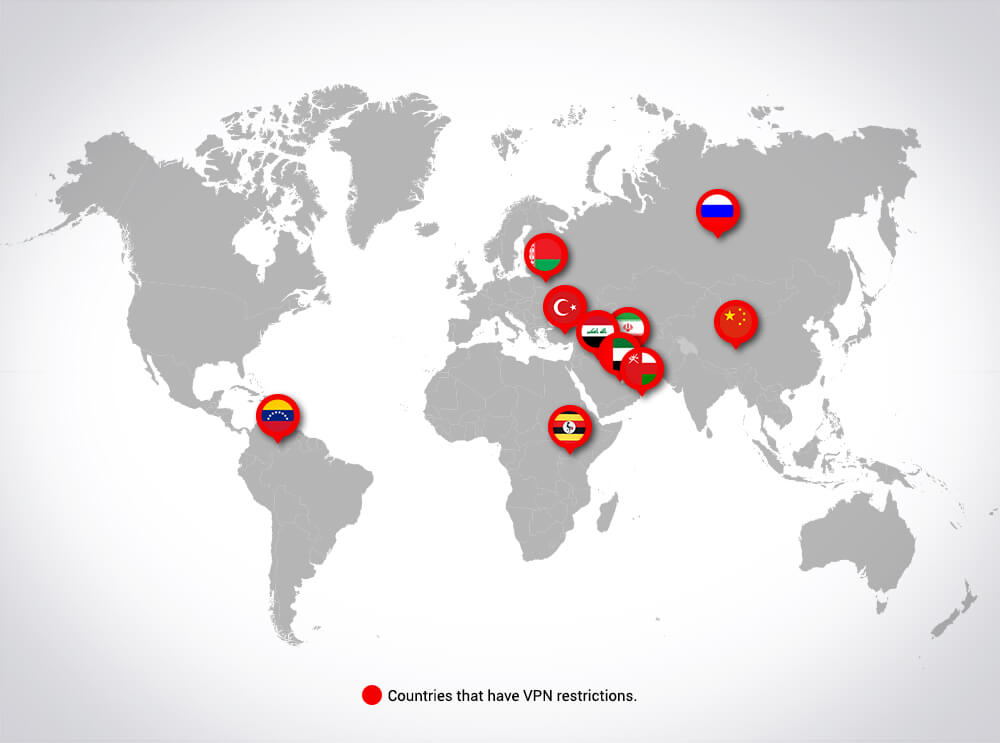
Using a VPN to stream location-restricted content may also be illegal in certain countries where internet censorship and control are prevalent. For instance, in countries like Belarus, UAE, and Oman, the use of VPNs may be heavily regulated or even prohibited by the government.
Whether using a VPN to stream location-restricted content is legal or not, it is important to note that the consequences can vary from fines to imprisonment depending on the country and the specific circumstances involved. It is always advisable to seek qualified legal advice and stay informed about the local laws and regulations before using a VPN for such purposes.
In conclusion, while VPNs are generally legal tools, the legality of using them to stream location-restricted content depends on the specific laws and regulations of each country. Being aware of the potential legal consequences and obtaining proper legal guidance is crucial for anyone considering using a VPN to access blocked content.
VPN Compliance
When it comes to VPN compliance, different countries have different laws and regulations in place. For example, in Iran, the use of VPNs is heavily regulated and monitored by the government. The enforcement agencies have the authority to take strict actions against VPN providers who are found to be violating the country’s laws.
In countries like China, the government strictly prohibits the use of VPNs that are not authorized by the state. This means that individuals and businesses cannot use VPNs to bypass the country’s network-level censorship and access foreign websites.
However, it’s not only in authoritarian regimes where VPN compliance is an issue. In the United States and other countries with more liberal internet laws, there are still regulations in place that VPN providers must comply with. For example, in accordance with the updated 2023 VPN laws, VPN providers must cooperate with law enforcement agencies and provide access to user data when required for investigations into cybercrime, hacking, and other illegal activities.
Failure to comply with these laws can result in harsh penalties, including imprisonment, for both individuals and VPN providers. It is important for VPN users to know and understand the legal requirements of their country before using VPN services.
With 5G technology coming into the picture, compliance with VPN laws is becoming more crucial. With the faster and more secure connections offered by 5G, individuals and businesses will have even greater access to these private networks. It is essential that VPN providers and users alike stay informed and up to date on the legal requirements and regulations surrounding VPN use.
In conclusion, VPN compliance varies from country to country. While some countries heavily restrict the use of VPNs, others have more lenient regulations in place. However, it is important for individuals and businesses to ensure they are using VPN services legally and in accordance with the laws of their respective countries.
FAQ:
Are VPNs legal in the US?
Yes, VPNs are legal in the US. The use of VPNs is not prohibited by any federal law, but it is important to note that the legality of VPNs can vary depending on the specific activities conducted through the VPN.
Are VPNs legal in China?
No, VPNs are not legal in China. The Chinese government heavily restricts the use of VPNs and has implemented a strict censorship system known as the Great Firewall, which blocks many VPN services.
What are the 2023 VPN laws in the US?
As of now, there are no specific VPN laws that have been enacted in the US for 2023. However, it is always important to stay updated with the latest regulations and changes in the legal landscape.
Can I use a VPN to access blocked content?
Yes, you can use a VPN to access blocked content. VPNs allow you to bypass geo-restrictions and access websites and services that may be restricted or censored in your region. However, it is essential to respect the laws and terms of service of the country or service you are accessing.
Are VPNs completely anonymous?
No, VPNs are not completely anonymous. While VPNs can provide a certain level of privacy and security by encrypting your internet traffic and hiding your IP address, they are not a foolproof method for absolute anonymity. Your online activities and data can still be traced back to you through other means.
Can I be prosecuted for using a VPN?
In most cases, simply using a VPN is legal and will not lead to prosecution. However, if you engage in illegal activities while using a VPN, such as hacking, distributing copyrighted content, or conducting any other criminal acts, you can be subject to prosecution regardless of whether you use a VPN or not.
What are the risks of using a VPN?
While VPNs can offer several benefits, there are also some risks associated with their use. These include: unreliable or insecure VPN providers that may compromise your privacy, potential leaks of your real IP address or DNS requests, decreased internet speed, and reliance on the VPN provider’s trustworthiness.
Videos:
Sind VPNs in 2022 legal? | Kann die Benutzung eines VPNs dich in Schwierigkeiten bringen?
Sind VPNs in 2022 legal? | Kann die Benutzung eines VPNs dich in Schwierigkeiten bringen? by cybernews Deutsch 11 months ago 7 minutes, 38 seconds 290 views
NordVPN Coupon Code💥NordVPN Discount Code🔥NordVPN Promo Code💥
NordVPN Coupon Code💥NordVPN Discount Code🔥NordVPN Promo Code💥 by Internet Multiverse 2 days ago 4 minutes, 10 seconds 1,598 views
"I Remove This Mysterious Tiny Chip Before Using The Phone!" Edward Snowden
"I Remove This Mysterious Tiny Chip Before Using The Phone!" Edward Snowden by BrainStation 2 years ago 8 minutes, 30 seconds 7,267,753 views
