Understanding the Difference: VPN Vs Firewall – How VPNs Enhance Access to Geo-Restricted Content
When it comes to securing your internet connection and protecting your online privacy, there are two essential tools that you should consider: VPNs and firewalls. While they serve distinct purposes, they can be used together to provide a comprehensive and secure online experience.
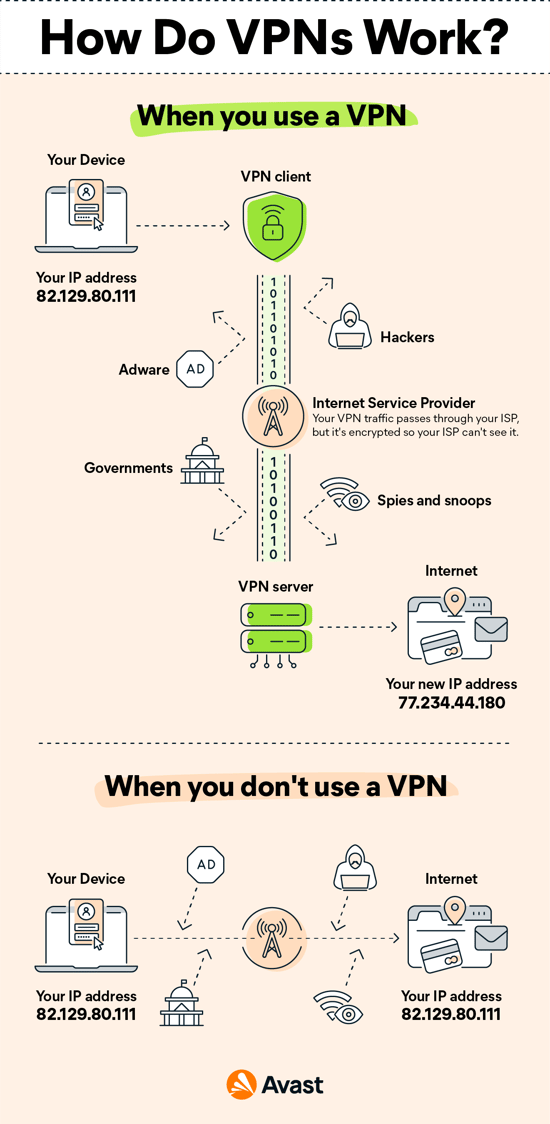
A VPN, or Virtual Private Network, is a service that allows you to create a secure, encrypted connection to another network over the Internet. Millions of people around the world use VPNs to protect their online privacy and bypass geo-restrictions. With a VPN, you can access websites and services that may be blocked or restricted in your country, such as Netflix or torrenting sites. By encrypting your internet traffic and routing it through a server in another location, a VPN allows you to browse the internet anonymously and securely.
A firewall, on the other hand, is a network security system that monitors and controls incoming and outgoing network traffic based on predetermined security rules. It acts as a barrier between your internal network and the outside world, preventing unauthorized access and protecting your sensitive data from prying eyes. Firewalls can block harmful viruses, intercept malicious traffic, and prevent unauthorized connections to your network. They are an essential tool for businesses and individuals alike to protect their resources from external threats.
While a VPN and a firewall are different tools, they can be used together to provide a more secure and private online experience. When used together, a VPN encrypts your internet connection, ensuring that your data cannot be intercepted by eavesdroppers or malicious actors. A firewall then acts as an additional layer of protection, blocking harmful traffic and unauthorized access attempts.
There are various types of firewalls available, including traditional firewalls, next-generation firewalls (NGFW), and web application firewalls (WAF). Each of these firewalls has its own advantages and can be used depending on your specific needs. Similarly, there are different VPN protocols available, such as OpenVPN, SSTP, and L2TP/IPsec, which offer different levels of security and affect internet speed and connection stability.
In conclusion, a VPN and a firewall are two essential tools that can be used together to create a secure and private internet connection. While a VPN helps bypass geo-restrictions and encrypts your internet traffic, a firewall protects your network from external threats. By using both of these tools together, you can enjoy the benefits of a secure and unrestricted online experience.
VPN Vs Firewall Explained For Beginners
When it comes to online security and protecting your privacy, two essential tools that you should consider are VPNs and firewalls. While they serve different purposes, together they create a powerful defense against cyber threats.
VPN
A VPN, or Virtual Private Network, is an advanced tool that allows you to connect to the internet securely and privately. It encrypts your data, making it unreadable to anyone trying to intercept it. Additionally, VPNs can help you bypass geo-restrictions by disguising your IP address and enabling you to access region-locked content.
- VPNs are user-controlled and typically require the installation of software.
- They come in different types, such as free VPNs and premium VPNs.
- VPNs are widely used by individuals, organizations, and even governments to protect their sensitive information and circumvent online censorship.
- Some VPNs offer additional features, like built-in ad-blockers and malware protection, to further enhance your online security.
Firewall
A firewall, on the other hand, is a network security tool designed to monitor and control incoming and outgoing network traffic. It acts as a barrier between your device and the outside world, blocking unauthorized access and protecting your network from potential threats, such as viruses and hackers.
- Firewalls can be hardware-based or software-based, and they can be built into your router or installed on your device.
- They work by analyzing network packets and determining whether they should be allowed or blocked based on predefined security rules.
- A firewall can block certain types of traffic, such as torrenting or specific websites, to enforce company policies or keep your network secure.
- Firewalls are an essential part of any network security infrastructure, whether it’s for personal or business use.
While VPNs and firewalls have different functions, they complement each other and provide an extra layer of protection. A VPN encrypts your data and warps your IP address, making it difficult for prying eyes to see what you’re doing online. A firewall, on the other hand, blocks unauthorized access and filters traffic, keeping your network secure. Together, they help ensure that your online activities are safe and private.
Whether you’re concerned about privacy, geo-restrictions, or protecting your network from threats, using both VPNs and firewalls is an ideal solution. With millions of devices connected to the internet and cyber threats around every corner, it’s crucial to have these tools in place to safeguard your digital life.
Understanding the Difference and Importance
When it comes to online security, two key tools that are often mentioned are firewalls and VPNs. While they both serve important purposes in protecting our online activities, it is essential to understand the differences between them and their individual importance.
Firewalls: Filtering and Protection
A firewall acts as a barrier between your computer or network and the outside world. It filters incoming and outgoing network traffic, inspecting the packets of data to determine if they should be allowed or blocked. By doing so, firewalls help prevent unwanted access from eavesdroppers or malicious hackers.
Firewalls are typically installed at the network perimeter, providing a specific level of security for the entire network. They can protect against common attacks, such as viruses and other malware, by monitoring and analyzing network traffic.
VPNs: Encrypted Connections and Bypassing Restrictions
A Virtual Private Network (VPN) is designed to provide a secure and encrypted connection between your computer and a remote server. When connected to a VPN, all of your internet traffic is routed through the VPN server, making it difficult for anyone to intercept or spy on your online activities.
VPNs are user-controlled and can be used to bypass geographical restrictions, allowing users to access content that is otherwise restricted in their location. For example, with a VPN, you can access streaming sites like Netflix where certain shows or movies might be restricted due to licensing agreements.
Both Essential for Complete Protection
In summary, firewalls and VPNs serve different but complementary roles in securing our online activities. Firewalls protect our network from incoming threats, while VPNs ensure our connections are encrypted and provide the ability to bypass restrictions.
For businesses, both firewalls and VPNs are essential. While firewalls can help mitigate attacks and provide a level of protection at the network perimeter, VPNs offer an additional layer of security by encrypting outgoing data. This is especially important when employees are connected to the business network on a remote or public basis.
It is important for businesses to think about their specific needs when it comes to online security. Firewalls are commonly used to protect the network perimeter, while VPNs are often employed to encrypt connections for remote workers or those accessing sensitive information.
Ultimately, both firewalls and VPNs play a crucial role in ensuring the safety and security of our online activities, whether at home or in a business environment.
How VPNs Enable Bypassing Geo-Restrictions
VPNs, or Virtual Private Networks, are powerful tools that allow users to bypass geo-restrictions imposed by websites and streaming platforms. These restrictions can be frustrating, as they prevent users from accessing certain content based on their geographical location. However, with the help of a VPN, users can trick websites and streaming platforms into thinking that they are accessing the content from a different location.
VPNs work by encrypting a user’s internet traffic and routing it through a host-to-host VPN connection. This encryption ensures that the user’s data remains private and secure, preventing any malicious actors from intercepting or accessing it. By routing the traffic through different servers located around the world, VPNs can make it appear that the user is accessing the internet from a different country or region, effectively circumventing the geo-restrictions that would otherwise block access to certain content.
When users deploy a VPN, they can choose the server location they want to connect to. This allows them to select the best server that will give them the most advantages in terms of bypassing geo-restrictions. For example, if a user wants to access content that is only available in the United States, they can connect to a VPN server located in the US, effectively hiding their true location and making it appear as though they are accessing the content from within the country. This enables users to access content that would otherwise be blocked based on their physical location.
While VPNs offer a way to bypass geo-restrictions and access restricted content, there are some drawbacks that users should be aware of. One major drawback is that some websites and streaming platforms actively block VPN traffic in an attempt to enforce their geo-restrictions. This means that even with a VPN, it may not always be possible to bypass certain geo-restrictions. Additionally, using a VPN can sometimes lead to slower internet speeds due to the encryption and routing processes involved. However, overall, the benefits of using a VPN to bypass geo-restrictions outweigh the drawbacks.
In conclusion, VPNs are powerful tools that enable users to bypass geo-restrictions and access content that may be otherwise blocked based on their geographical location. By encrypting and routing internet traffic through different servers around the world, users can trick websites and streaming platforms into thinking they are accessing the content from a different location. While there may be some challenges and limitations, the overall advantages of using a VPN to bypass geo-restrictions make it a valuable tool for accessing restricted content.
Exploring the Benefits of VPN Services
In today’s digital age, where privacy and security are increasingly important, VPNs have become an essential tool for many internet users. A VPN, or Virtual Private Network, can provide a variety of advantages to users, allowing them to protect their sensitive information and bypass geo-restrictions.
1. Increased Privacy and Security
One of the primary benefits of using a VPN is the enhanced privacy and security it offers. When connected to a VPN, all of your internet traffic is encrypted and routed through a secure server, making it virtually impossible for anyone to intercept your data. This is particularly useful when using public Wi-Fi networks or when accessing sensitive information, such as online banking or filesharing services.
2. Bypass Geo-Restrictions
A VPN is also an excellent tool for bypassing geo-restrictions imposed by websites and streaming services. By connecting to a server in a different country, users can access content that is normally unavailable in their location. This is particularly useful for watching region-locked streaming services or accessing websites that are censored or blocked by the government.
3. Access to Restricted Content
Furthermore, VPNs also allow users to access content that may be restricted based on licensing agreements. For example, some streaming services may only offer certain content to users in specific regions. By using a VPN to connect to a server in a different country, users can access a wider range of content and enjoy a more extensive selection of movies, TV shows, and music.
4. Bypass Firewalls and Censorship
In addition to bypassing geo-restrictions, VPNs can also be used to bypass firewalls and censorship imposed by governments or organizations. By masking your IP address and routing your internet traffic through a different server, VPNs provide a way to access blocked websites and services. This is particularly useful for users in countries with strict internet censorship or for individuals working or studying in universities or organizations that implement restrictions on internet access.
5. Multiple Types of VPNs
VPNs come in various types, each offering its own advantages and levels of encryption. Some of the most common types of VPNs include OpenVPN, L2TP/IPsec, and SSTP. The choice of VPN type depends on the user’s specific needs and preferences. For example, OpenVPN is known for its high level of security, while SSTP is often preferred by users in countries with stricter internet censorship.
In conclusion, VPNs have become an indispensable tool for internet users looking to enhance their privacy, bypass geo-restrictions, and ensure secure access to online content. Whether you are concerned about your online security or want to access restricted content, a VPN can provide an effective and reliable solution.
Key Features of VPNs to Consider
A Virtual Private Network (VPN) offers several key features that make it an essential tool for individuals and businesses alike. Whether you are looking to protect your online privacy, bypass geo-restrictions, or secure your data while using public Wi-Fi, a VPN can help you achieve these goals. Here are some of the key features to consider when choosing a VPN provider:
1. Security and Privacy
One of the primary functions of a VPN is to provide a secure and private connection to the internet. By encrypting your data and routing it through a remote server, a VPN ensures that your online activities are protected from prying eyes. It helps prevent unauthorized access to your personal information, making it ideal for individuals and businesses concerned about cybersecurity.
2. Bypassing Geo-Restrictions
Another key feature of VPNs is their ability to bypass geo-restrictions. VPNs allow you to connect to servers in different locations around the world, masking your true location and enabling you to access geographically restricted content. For example, you can use a VPN to access streaming platforms like Netflix or websites that are blocked in certain countries, like China.
3. Secure Filesharing
If you frequently engage in filesharing activities, a VPN can help protect your data and minimize the risk of copyright infringement or surveillance. By masking your IP address and encrypting your connections, a VPN ensures that your file-sharing activities are private and secure, reducing the chances of your online activities being tracked or monitored by third parties.
4. Seamless Connectivity
VPNs are designed to be compatible with a wide range of devices and operating systems, including Windows, MacOS, iOS, and Android. This makes it convenient for users to connect to a VPN from different devices, ensuring that their online activities are protected regardless of the device they are using. It also allows businesses and institutions to provide secure connectivity for their employees or students.
5. Network Inspection and Traffic Segmentation
Some VPN providers offer advanced features such as Network Gateway Firewalls (NGFW) that can inspect and segment network traffic. This can be particularly useful for businesses or institutions that need to enforce network policies and control access to certain resources. By creating different segments within the VPN architecture, organizations can ensure that each segment has its own level of access and security.
In conclusion, VPNs offer a range of important features that can help individuals and businesses protect their online privacy, bypass restrictions, and secure their data. When choosing a VPN provider, consider your specific needs and prioritize the features that are most important to you. Remember to carefully evaluate the advantages and disadvantages of different VPN services to find the one that best suits your requirements.
Understanding the Basics of Firewalls
Firewalls are essential components of network security that control the incoming and outgoing traffic in a network. They act as a barrier between an internal network and the external network, monitoring and filtering the flow of data. By regulating the movement of information, firewalls protect the network from unauthorized access, malicious activity, and potential threats.
Types of Firewalls:
There are several types of firewalls, each with its own strengths and weaknesses. They include:
- Packet filtering firewalls: These firewalls inspect individual packets of data and determine whether to allow or block them based on predefined rules.
- Stateful inspection firewalls: These firewalls keep track of the state of network connections and use this information to make decisions about the flow of data.
- Proxy firewalls: These firewalls receive requests from clients and forward them to the intended server, acting as an intermediary.
- Next-generation firewalls: These firewalls combine traditional firewall technology with additional security measures, such as intrusion prevention systems and deep packet inspection.
Benefits of Firewalls:
Firewalls offer several benefits to individuals, businesses, and organizations:
- Protection against unauthorized access: Firewalls prevent hackers and unauthorized users from gaining access to a network.
- Prevention of malware attacks: Firewalls can block malicious software from entering a network, reducing the risk of infections.
- Filtering unwanted content: Firewalls can restrict access to certain websites or types of content, improving productivity and preventing potential security risks.
- Network segmentation: Firewalls can separate a network into different segments, allowing for better control of traffic and added security.
- Monitoring and logging: Firewalls can keep logs of network activity, allowing for analysis and detection of potential threats.
Drawbacks and Considerations:
While firewalls provide valuable protection, there are some drawbacks and considerations to keep in mind:
- Complex configuration: Setting up and configuring a firewall can be challenging, especially for users with limited technical knowledge.
- Potential performance impact: Firewalls can affect network performance, especially if they are not properly configured or if the network traffic is heavy.
- False positives and negatives: Firewalls may sometimes block legitimate traffic or allow malicious traffic to pass through, leading to security risks.
- Costs: Implementing and maintaining a firewall can involve costs, including hardware, software, and ongoing management.
In conclusion, firewalls are crucial for network security and play a vital role in protecting against unauthorized access, malware, and other threats. Understanding the different types of firewalls, their benefits, and drawbacks enables individuals and organizations to make informed decisions about implementing and configuring firewalls to suit their specific needs and requirements.
Why Firewalls are Crucial for Network Security
Firewalls play a critical role in network security, protecting both individuals and organizations from online threats. They are essentially security mechanisms that act as a barrier between a trusted internal network and an untrusted external network, such as the internet. Firewalls monitor incoming and outgoing network traffic and apply rules to determine which packets are allowed to pass through and which should be blocked.
One of the main functions of a firewall is to filter network traffic based on predefined rules. These rules can be set by network administrators or security providers, allowing them to control what types of traffic are allowed in or out of a network. For example, a firewall can be configured to block certain websites or specific protocols that are considered risky, such as torrenting sites or proxy servers.
A firewall’s ability to block unwanted or malicious traffic is especially crucial in countries like China, where the government imposes strict internet censorship and surveillance. Without a firewall, individuals and organizations in China would have little control over what they can access online, as many websites and services are blocked by the state. Firewalls allow them to bypass these restrictions and access the internet freely and securely.
In addition to filtering traffic, firewalls also provide protection against various types of cyberattacks. For instance, stateful firewalls can detect and prevent unauthorized access attempts by monitoring the state of network connections. They keep track of the packets that have passed through the firewall and ensure that only legitimate packets that belong to established connections are allowed to pass.
Firewalls also help prevent lateral movement within a network, which is when an attacker gains access to one device on a network and then tries to move laterally within the network, targeting other devices. By blocking unauthorized traffic between devices, firewalls limit the attacker’s ability to spread malware or access sensitive information.
Firewalls come in different forms and can be implemented at various layers of a network. On an individual basis, operating systems such as Windows, macOS, and Linux often have built-in firewalls that users can enable to protect their devices. For organizations and businesses, dedicated firewall appliances or software solutions are commonly used.
Deploying firewalls not only enhances network security but also helps organizations comply with regulatory requirements. For instance, businesses that handle sensitive data may be required to implement firewalls as part of their data protection measures. Additionally, firewalls can assist in protecting valuable resources, such as customer information, intellectual property, and business-critical systems, from unauthorized access or data breaches.
In conclusion, firewalls are essential components of network security. They provide an added layer of protection by filtering network traffic and preventing unauthorized access. Whether you’re an individual or part of a larger organization, implementing a firewall is crucial for maintaining a secure and reliable network environment.
Examining Best Practices for Firewalls
A firewall is a crucial component in a network security strategy. It acts as a barrier or protective wall between an internal network and the external internet, preventing unauthorized access to sensitive data and potential threats.
When it comes to firewall best practices, there are several key factors to consider:
- Segmentation: Dividing a network into separate segments or subnets helps in isolating different types of devices and restricts lateral movement in case of a breach. This reduces the chances of a single compromised device compromising the entire network.
- Security Policies: Clearly defined security policies should be implemented to regulate and control the flow of data between different network segments. These policies should be regularly updated and reviewed to keep up with new threats and changes in the network.
- Regular Updates: Keeping the firewall software and firmware up-to-date is essential to ensure the latest security patches and features are implemented. This helps to mitigate vulnerabilities and strengthen the overall security posture of the network.
- Intrusion Detection and Prevention: Deploying an intrusion detection and prevention system alongside the firewall adds an additional layer of security by actively monitoring network traffic for suspicious activities and blocking potential threats in real-time.
- Logging and Monitoring: Enabling logging and monitoring capabilities on the firewall allows for comprehensive visibility into network traffic and provides valuable insights for identifying and responding to potential security incidents.
- Regular Audits: Conducting regular audits of firewall configurations and policies helps ensure compliance with industry standards and best practices. This also helps in identifying and rectifying any misconfigurations or loopholes that may have been overlooked.
In summary, adopting best practices for firewalls involves implementing segmentation, enforcing security policies, regularly updating the firewall, deploying intrusion detection and prevention systems, enabling logging and monitoring, and conducting regular audits. By following these practices, organizations can enhance their network security and protect sensitive data from prying eyes and potential threats.
The Role of Firewalls in Preventing Unauthorized Access
A firewall is a crucial component in ensuring the security of a network. It works by filtering the incoming and outgoing network traffic, allowing only authorized connections and blocking unauthorized access attempts. Firewall technology has evolved over the years, adapting to new threats and providing advanced protection against various types of security breaches.
Firewalls can be implemented at different levels, such as at the network level or the application level. Network firewalls are typically placed at the perimeter of a network to control the flow of traffic between the internal network and the outside world. They can also be used to segment different parts of a network, providing an additional layer of protection.
Firewalls can prevent unauthorized access by inspecting all incoming and outgoing packets and applying predefined rules and policies. They can detect and block malicious activities, such as hacking attempts, malware downloads, or data exfiltration. Firewalls can also hide the internal IP addresses, making it more difficult for attackers to discover the network’s structure and endpoints.
Firewalls offer several benefits and advantages for businesses. They can help protect sensitive information, ensure the privacy of communication, and prevent unauthorized access to critical resources. Firewalls can also be used to enforce security policies, such as blocking access to certain websites or restricting specific types of traffic.
However, firewalls also have some limitations. They cannot provide complete protection against all types of threats, especially advanced and targeted attacks. They may not be effective against insiders who already have access to the network or against attacks originating from within the network. Firewalls are also not designed to provide end-to-end encryption, so additional measures may be necessary to secure data transmission.
In summary, firewalls play a crucial role in preventing unauthorized access and protecting the network from various security threats. They provide an essential layer of defense against malicious activities and help maintain the integrity and confidentiality of the network. However, it is important to understand the limitations of firewalls and consider other security measures when needed to ensure comprehensive protection.
How Firewalls Protect Against Malware and Cyber Attacks
Firewalls at the network level provide a crucial defense against malware and cyber attacks. They are a first line of defense that many organizations deploy to secure their network and protect against potential threats. A firewall works by monitoring incoming and outgoing network traffic based on a set of predefined rules. It acts as a barrier between the internal network and the external world, filtering and inspecting data packets to allow or deny access.
The Role of Next-Generation Firewalls (NGFW)
Next-generation firewalls (NGFW) take the traditional firewall concept to a new level by incorporating advanced features and intelligence. NGFWs have enhanced capabilities to identify and block more sophisticated threats, such as zero-day exploits and advanced malware. They can also provide more granular control over network traffic, allowing organizations to define specific policies for different user groups or segments of the network.
NGFWs also offer deep packet inspection (DPI) capabilities, which enable them to analyze the contents of network traffic at a much deeper level. This enables NGFWs to detect and block threats that may be hidden within encrypted traffic, such as HTTPS, without impacting the overall performance of the network.
Advantages and Drawbacks of Firewalls
Firewalls provide excellent protection against malware and cyber attacks by preventing unauthorized access to a network. They can help identify and block malicious traffic, protecting sensitive data and critical systems from compromise.
However, firewalls also have certain limitations. They rely on predefined rules, which can sometimes be too restrictive and may block legitimate traffic. Firewalls are also not designed to detect threats that originate from within the network, allowing malware to spread laterally between segments.
In addition, firewalls do not provide comprehensive protection against all types of cyber threats. They may not be effective against targeted attacks or advanced persistent threats (APTs) that are specifically designed to bypass traditional security measures.
Overall, firewalls are an essential component of network security, but they should be used in conjunction with other security solutions to provide a layered defense against malware and cyber attacks.
Understanding Different Types of Firewalls
A firewall is an essential component of network security. It acts as a barrier between an online network and potential threats, inspecting all incoming and outgoing traffic to ensure its safety. There are different types of firewalls available, each serving a specific purpose and providing unique features.
Packet-filtering firewalls
A packet-filtering firewall is the most basic type of firewall. It examines packets of data as they travel between the source and destination addresses and blocks or allows them based on predefined rules. While packet-filtering firewalls offer a simple and cost-effective solution for network security, their limited functionality may not be sufficient for more advanced threat protection.
Stateful inspection firewalls
Stateful inspection firewalls provide an enhanced level of security by not only examining individual packets but also considering the context of the entire communication session. They keep track of the state of connections and inspect the data packets passing through them to ensure they fit the expected patterns. This type of firewall offers better protection against threats that attempt to bypass packet filtering.
Next-generation firewalls
Next-generation firewalls combine the features of packet-filtering and stateful inspection firewalls and add advanced capabilities such as deep packet inspection, intrusion prevention, and application layer filtering. These firewalls provide a more comprehensive and granular level of security, enabling organizations to protect against a wide range of threats, including malware and advanced persistent threats.
Application-level gateways
Application-level gateways, also known as proxy firewalls, operate at the application layer of the network stack. They act as intermediaries between clients and servers, inspecting incoming and outgoing traffic at the application level. Application-level gateways offer enhanced security by providing additional validation and control over the data passing through them.
Virtual private network (VPN) firewalls
VPN firewalls combine the functionality of a VPN and a firewall, enabling secure remote connections between networks or individual endpoints. VPN firewalls use encryption to protect data during transmission and provide secure access to resources that may be restricted by location or network policies. This type of firewall is commonly used by individuals and businesses to bypass geo-restrictions and protect sensitive data while connected to public networks.
In summary, firewalls are crucial for protecting online networks from threats. Understanding the different types of firewalls helps organizations choose the best solution to meet their security needs and mitigate the risk of unauthorized access or data breaches.
Comparing the Pros and Cons of VPNs and Firewalls
When it comes to securing your online activities, both VPNs and firewalls play a crucial role in protecting your data and privacy. However, they serve different purposes and have their own advantages and disadvantages.
Virtual Private Networks (VPNs)
VPNs are excellent tools for bypassing geo-restrictions and accessing content that is blocked in your country. With a VPN, you can create a secure, encrypted connection to another network, making it seem like you are connected from a different location. This is especially beneficial for students or those who want to access specific resources that are only available in certain countries.
One of the best advantages of using a VPN is the ability to establish a secure connection when using public Wi-Fi networks. This helps mitigate the risk of data theft or hacking, as your online activities are encrypted and protected.
Firewalls
Firewalls, on the other hand, are a crucial part of network security architecture. They act as a barrier between your computer and the internet, filtering out unwanted traffic and protecting your device from potential threats. Firewalls can be implemented on both hardware and software levels and come in different types such as network firewalls (NGFW) and application firewalls.
The main benefit of using a firewall is that it stops unauthorized access and protects your computer or network from potential attacks. It also allows you to configure specific rules and policies, giving you control over which resources can be accessed from your network.
However, firewalls can sometimes be restrictive and affect your online experience. They might block certain websites or applications that are considered potentially harmful, even if they don’t pose any real threat. This can be frustrating for users who need access to specific tools or resources.
Comparing VPNs and Firewalls
While VPNs and firewalls serve different purposes, they can complement each other in terms of security. Using a VPN along with a firewall can provide an extra layer of protection by keeping your online activities encrypted and blocking potential threats at the same time.
It’s important to note that VPNs and firewalls have their own limitations. VPNs might slow down your internet connection, and some websites and services can still detect the use of a VPN and block access. On the other hand, firewalls can be complex to configure, and they might not always be effective in stopping the newest threats.
In conclusion, both VPNs and firewalls have their pros and cons. Depending on your specific needs and requirements, you may find that using both VPNs and firewalls together is the best solution for ensuring the security and privacy of your online activities.
When to Use a VPN and When to Use a Firewall
A VPN is an essential tool for establishing a secure and encrypted connection between your computer and the internet. It is especially useful in situations where you want to bypass geo-restrictions and access content that is only available in specific regions. For example, students studying abroad may need a VPN to access educational resources that are restricted to their home country.
A firewall, on the other hand, is a network security device that stops unauthorized access to or from a private network. It acts as a barrier that only allows approved traffic to pass through, while blocking any unauthorized attempts. Firewalls are commonly used by companies to protect their internal systems from external threats.
When comparing the two, VPNs are best suited for individual users who want to protect their online activities and bypass geo-restrictions, while firewalls are more commonly deployed by companies to secure their network and control access to their resources.
A VPN encrypts your data and routes it through a remote server, making it safer to browse the internet, especially when connected to public Wi-Fi. It also allows you to appear as if you are connecting from a different location, bypassing any geo-restrictions that may be in place. This way, you can access content that is blocked in your region, such as streaming services or websites.
On the other hand, a firewall helps mitigate advanced threats and protects a company’s internal network from unauthorized access. It can prevent malicious traffic from reaching the company’s servers and provides an additional layer of security.
In conclusion, the decision to use a VPN or a firewall depends on your specific needs. If you’re an individual user looking to access geo-restricted content and secure your online activities, a VPN is the best tool for you. However, for companies that want to protect their internal network and control access to their resources, a firewall is essential. Both tools have their advantages and can greatly benefit users, but they serve different purposes and should be chosen accordingly.
Combining VPNs and Firewalls for Enhanced Security
When it comes to online security, both VPNs and firewalls play a common role in protecting data and preventing unauthorized access. While VPNs primarily hide your IP address and encrypt your internet traffic, firewalls act as a barrier that prevents incoming and outgoing connections that may pose a risk to your network.
In many cases, using both a VPN and a firewall together can provide enhanced security and privacy. VPNs are designed to bypass geo-restrictions, allowing anyone to access websites and online resources that may be restricted based on their location. On the other hand, firewalls help in preventing unauthorized access to your devices and network resources.
One of the drawbacks of using a VPN is the potential impact on performance, particularly in countries like China where VPN usage is heavily restricted. As shown in the diagram below, when a user in China tries to access a website hosted in another country, their internet traffic must first pass through the Great Firewall of China before reaching its final destination. This can result in slower speeds and connection issues.
However, by combining VPNs and firewalls, it is possible to overcome these challenges. VPNs can encrypt your internet traffic, making it more difficult for anyone to intercept or tamper with the packets. This provides a safer pathway for your data to travel, even in restrictive environments. Firewalls, on the other hand, can filter out any suspicious incoming or outgoing traffic, adding an additional layer of protection to your network.
In some cases, when a VPN cannot bypass certain restrictive firewalls, using a firewall-friendly VPN protocol, such as OpenVPN, may be a more suitable option. This protocol operates at the host-to-host or site-to-site level, meaning that it can hide the VPN traffic within the standard outgoing traffic, making it more difficult for firewalls to detect and block.
Benefits of combining VPNs and firewalls:
- Enhanced security: By using both a VPN and a firewall, you can benefit from the security features of both technologies.
- Privacy protection: VPNs encrypt your internet traffic, preventing anyone from snooping on your online activities.
- Bypassing restrictions: VPNs help bypass geo-restrictions, allowing you to access content and resources that may be blocked in your location.
- Improved performance: Firewalls can filter out suspicious traffic, enhancing network performance and protecting against potential threats.
In conclusion, combining VPNs and firewalls can provide a more secure and private online experience. It is important to choose the right VPN protocol and configure your firewall settings to meet your specific requirements. By doing so, you can ensure that your internet traffic remains protected and encrypted, while still enjoying the freedom to access restricted content.
Considering the Limitations of VPNs and Firewalls
When it comes to cybersecurity, VPNs and firewalls are essential tools that work together to protect our digital data and privacy. However, it is important to understand their limitations and potential drawbacks.
VPNs
VPNs, or Virtual Private Networks, are widely used for various purposes, such as accessing geo-restricted content or ensuring secure remote connections. One of the main limitations of VPNs is their reliance on a centralized service provider. This means that if the VPN service provider experiences any technical issues, your connection may be affected.
Moreover, while VPNs encrypt your data and provide privacy when browsing the internet, they do not guarantee complete anonymity. Your VPN service provider can still potentially monitor your online activities, so it is crucial to choose a reliable and trustworthy provider.
Additionally, VPNs can slow down your internet connection due to the encryption and tunneling processes. This can be particularly noticeable when streaming or downloading large files.
Firewalls
A firewall is a network security device that filters incoming and outgoing network traffic based on predetermined security rules. Firewalls can be hardware or software-based and are commonly used to block unauthorized access to a network or specific resources.
One drawback of firewalls is that they can sometimes block legitimate traffic or incorrectly flag certain websites or applications as malicious. This can cause inconvenience to users or affect their ability to access certain online resources.
Another limitation of firewalls is that they primarily focus on inbound traffic and do not provide advanced protection for outbound communications. This means that if a device within your network is already compromised by a virus or malware, a firewall might not be able to detect or stop malicious outbound traffic.
Furthermore, firewalls alone cannot prevent lateral movement, where hackers move laterally through a network once they gain initial access. This is where the combination of firewalls and other cybersecurity measures, such as intrusion detection systems and network segmentation, becomes crucial.
In Conclusion
Both VPNs and firewalls have their benefits and play an important role in maintaining digital security. However, it is crucial to understand their limitations and consider additional cybersecurity measures to ensure comprehensive protection. By staying informed and aware of the potential risks, users can make informed decisions about their online security needs.
Choosing the Right VPN and Firewall Services for Your Needs
When it comes to protecting your online activities and bypassing geo-restrictions, you need to choose the right VPN and firewall services that meet your specific requirements. Both VPN and firewall services provide a layer of security and privacy, but they have different functionalities and advantages.
VPN, or Virtual Private Network, is a service that stops eavesdroppers from intercepting your online communications. It encrypts your internet connection, making it secure and private. VPNs also help bypass geo-restrictions, allowing you to access blocked content and watch region-specific streaming services. However, VPNs may have some drawbacks, such as slower connection speeds and limited server locations.
On the other hand, firewall services act as a barrier between your devices and the internet, protecting them from unauthorized access and potential threats. They establish rules for incoming and outgoing network traffic, allowing or blocking specific applications or IP addresses. Firewalls can be deployed as software or hardware, and they provide an additional layer of protection for your network. However, they cannot bypass geo-restrictions like VPNs can.
When choosing a VPN or firewall service, you must consider your specific needs and the advantages and disadvantages of each. If your main concern is protecting your online activities and bypassing geo-restrictions, a VPN may be the right choice. If you’re looking for network security and protection for your company’s devices and data, a firewall service might be more suitable. It’s also important to research different vendors and compare their offerings to find the best VPN or firewall service for your requirements.
Ensuring Compatibility between VPNs and Firewalls
When it comes to securing your online activities, both VPNs and firewalls play crucial roles. VPNs provide encryption to ensure that your internet connection is private and secure from eavesdroppers, while firewalls act as a barrier to filter incoming and outgoing network traffic. However, it is important to ensure that these two essential security tools work together seamlessly.
One of the main considerations for ensuring compatibility between VPNs and firewalls is the type of content being transmitted. VPNs can encrypt all types of internet traffic, including websites, emails, and file transfers. However, firewalls may need to inspect certain types of content for security purposes. Therefore, it is essential to configure firewalls to allow VPN traffic to pass through without hindrance, while still maintaining a safe level of protection.
Another compatibility aspect to consider is the type of VPN protocol and firewall architecture being used. VPNs use various protocols such as OpenVPN, IPSec, or SSTP, while firewalls can have different packet-filtering methods. It’s necessary to choose a VPN protocol and firewall configuration that are compatible with each other to ensure the smooth flow of data without any disruption.
Additionally, having the correct network infrastructure is crucial for a successful VPN and firewall deployment. Organizations need to ensure that their network architecture is designed to accommodate VPN traffic and that their firewalls are properly configured to allow VPN connections. This includes setting up proper NAT (Network Address Translation) rules and managing VPN client and server configurations to establish connectivity.
A common challenge when setting up VPNs and firewalls together is bypassing geo-restrictions. Many websites and online services enforce restrictions based on the user’s country or region. By using a VPN, you can route your internet traffic through a server in a different location, effectively bypassing these restrictions. However, some firewalls may still detect the use of a VPN and block the connection. In these cases, it’s essential to ensure that your VPN is configured to use an outbound IP address that is not blacklisted by the target website or service.
In conclusion, ensuring compatibility between VPNs and firewalls is crucial for achieving a safe and secure online environment. By properly configuring your firewall settings, choosing compatible protocols, and having a well-designed network infrastructure, you can establish a seamless connection that protects your data while allowing you to bypass restrictive measures. Taking the time to invest in these security measures can provide long-term advantages and peace of mind for individuals and organizations alike.
Implementing VPNs and Firewalls in Small Business Networks
Implementing VPNs (Virtual Private Networks) and firewalls in small business networks is crucial for ensuring the security and privacy of the organization’s data and network infrastructure. Both these tools offer distinct advantages and play complementary roles in protecting the network from intrusions and unauthorized access.
The Role of Firewalls
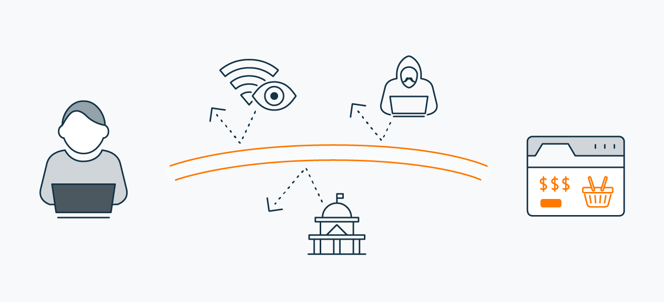
A firewall is a security device that acts as a gatekeeper between your internal network and the outside world. It serves as the first line of defense by monitoring incoming and outgoing network traffic based on predefined rules. These rules can be set to block or allow specific types of traffic based on factors such as IP addresses, ports, and protocols. With a well-configured firewall in place, you can effectively prevent unauthorized access to your network and limit the risk of potential attacks.
The Role of VPNs
A VPN, on the other hand, creates a secure and encrypted connection between a user’s device and a remote server or network. This encrypted tunnel hides the user’s IP address, making it difficult for anyone to discover their real location or intercept their data. VPNs are commonly used to bypass geographic restrictions and access online content that might be blocked in a certain region. In addition, VPNs provide a secure way for remote employees to access the company’s network resources while working outside the office.
Comparing VPNs and Firewalls
While both VPNs and firewalls are essential tools for network security, there are some key differences between them. Firewalls primarily focus on packet-filtering and act as a gateway between the internal and external network, while VPNs create an encrypted tunnel for secure data transmission. Firewalls are typically implemented at the network perimeter, protecting against external threats, while VPNs can be used to secure connections from any location.
The Need for VPNs and Firewalls in Small Business Networks
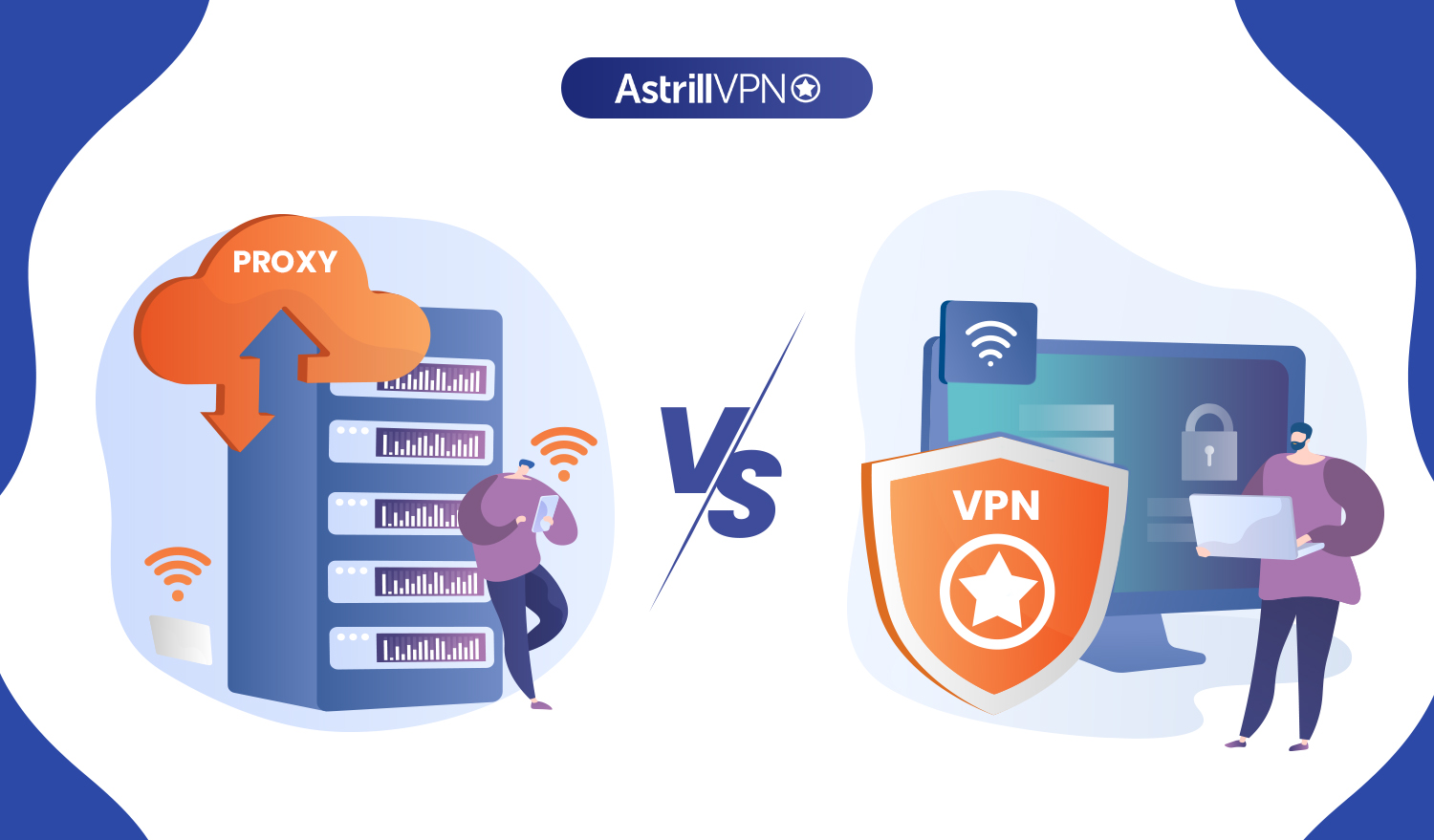
In small business networks, implementing both VPNs and firewalls is crucial. A firewall protects the network from external threats and unauthorized access attempts, while a VPN provides secure remote access for employees and ensures the privacy of their data. Small businesses often rely on various types of software and online services, such as filesharing or cloud storage platforms, which expose their network to potential risks. By implementing VPNs and firewalls, small businesses can create a secure infrastructure that protects against data breaches and malicious attacks.
Choosing the Best Solution
When it comes to choosing the best VPN and firewall solution for small businesses, it is important to consider factors such as reliability, ease of use, scalability, and cost. Different vendors offer various types of VPN and firewall solutions, such as hardware-based or software-based options. Small businesses should evaluate their specific needs and choose a solution that fits their requirements and budget.
In conclusion
Implementing VPNs and firewalls in small business networks is crucial for ensuring the security and privacy of sensitive data. Firewalls act as a gatekeeper, protecting the network from external threats, while VPNs provide secure and encrypted connections for remote access and data transmission. By implementing both these tools, small businesses can create a secure infrastructure that protects against unauthorized access attempts and potential attacks.
Вопрос-ответ:
What is a VPN?
A VPN, or Virtual Private Network, is a technology that allows you to create a secure and encrypted connection over a less secure network, such as the internet.
How does a VPN bypass geo-restrictions?
A VPN can bypass geo-restrictions by masking your IP address and routing your internet traffic through a server located in a different country. This makes it appear as if you are accessing the internet from that country, thus bypassing any geo-restrictions set by websites or streaming services.
What is a firewall?
A firewall is a network security device that monitors and controls incoming and outgoing network traffic based on predetermined security rules. It acts as a barrier between a trusted internal network and an untrusted external network, such as the internet, to prevent unauthorized access and protect against malicious activities.
How does a firewall protect against cyber threats?
A firewall protects against cyber threats by inspecting incoming and outgoing network traffic and blocking any connections or data packets that violate the established security rules. It can detect and block suspicious activities, such as unauthorized access attempts, malware infections, and data exfiltration, thus preventing potential cyber attacks.
Видео:
What is geoblocking and how to bypass it | ONLY solution you need
What is geoblocking and how to bypass it | ONLY solution you need by VPNpro 1 year ago 4 minutes, 36 seconds 17,424 views
இனி இதை பண்ணாம எதையுமே பாக்காதீங்க! VPN Explained with Pros & Cons! | Tamil | Tech Satire
இனி இதை பண்ணாம எதையுமே பாக்காதீங்க! VPN Explained with Pros & Cons! | Tamil | Tech Satire by Tech Satire 4 years ago 15 minutes 1,360,841 views
