
Protect Your Privacy and Keep Your Search History Secure with a VPN

In today’s digital world, our personal information is constantly at risk. Whether you’re browsing the web, doing online shopping, or connecting to a public Wi-Fi network, there are all kinds of threats out there that can compromise your privacy. That’s where a VPN comes in.
A VPN, or Virtual Private Network, is a service that encrypts your internet connection and routes it through a remote server. This not only makes it personally impossible for anyone to see what you’re doing online, but also masks your IP address and location, making you anonymous in the online world.
One of the main benefits of using a VPN is that it keeps your search histories private. When you use a regular internet connection, your search histories are stored on your device and can be accessed by anyone who has physical or remote access to it. With a VPN, however, your search histories are encrypted and stored on the VPN server, making them virtually inaccessible to anyone else.
Furthermore, a VPN can also help you when you’re traveling. When you connect to a public Wi-Fi network, such as those found in hotels, airports, or cafes, you’re exposing your personal information to hackers and other malicious individuals. By using a VPN, you can prevent anyone from intercepting your data and ensure that your online activities remain private, no matter where in the world you are.
Why You Need a VPN for Travel
When you’re travelling, it’s important to stay connected and secure. Whether you’re using public Wi-Fi in a hotel, coffee shop, or airport, or accessing personal data on your devices, a VPN is essential for protecting your privacy and keeping your information secure.
Protecting Your Personal Information
A VPN creates a secure connection between your device and the internet, encrypting your data and keeping your browsing history private. This means that even if someone is looking, they won’t be able to see what you’re doing online.
Bypassing Geolocation Restrictions
When you’re travelling, you may encounter websites or online services that are restricted in certain countries. A VPN allows you to bypass these restrictions by masking your IP address and making it appear as if you’re accessing the internet from a different location.
Accessing Content from Anywhere
With a VPN, you can access content that may be blocked or censored in the country you’re visiting. Whether it’s streaming services, social media platforms, or news websites, a VPN ensures that you can stay connected and access the content you need.
Protection from Hackers and Identity Theft
When you’re using public Wi-Fi networks while travelling, you’re more vulnerable to hackers and identity theft. A VPN encrypts your data, making it much more difficult for hackers to intercept your information and steal your identity.
Secure Online Banking and Shopping
Using a VPN when accessing your online banking or making purchases adds an extra layer of security. It hides your personal information, such as your account numbers and credit card details, from potential hackers or cybercriminals.
Keeping Your Search History Private
A VPN not only keeps your browsing habits private from your ISP, but it also prevents search engines like Google from tracking and storing your search history. This helps protect your privacy and ensures that your online activities remain confidential.
In conclusion, a VPN is essential for travel as it helps protect you from hackers, keeps your personal information secure, allows you to bypass geolocation restrictions, and ensures your online activities remain private.
Protect Your Privacy
In today’s digital age, our privacy is constantly being threatened. Every time we go online, we leave a trail of our activities that can easily be tracked and monitored. This is especially concerning when it comes to our search history, as it provides a detailed recap of our interests, preferences, and even medical information. But when it comes to protecting our privacy, there are steps we can take to ensure our online activities remain secure.
One effective way to protect your privacy is by using a VPN, or Virtual Private Network. A VPN works by masking your IP address and encrypting your internet connection, making it appear as though you are browsing from a different location. This prevents third parties, such as your internet service provider (ISP) or hackers, from tracking your online activities and gaining access to your personal information.
When choosing a VPN, it is important to look for one that offers strong security protocols, such as OpenVPN or IKEv2. These protocols provide an extra layer of security and ensure that your data remains encrypted and protected. Additionally, some VPNs offer features like DNS leak protection and a built-in ad blocker, which further enhance your privacy and security online.
By using a VPN, you can also hide your search history from websites and online platforms that collect your data. For example, social media networks like Facebook and Google use your search history to deliver targeted ads and personalize your online experience. However, by using a VPN, you can effectively mask your search history and prevent these companies from collecting your data.
Moreover, a VPN is not just for hiding your search history. It also allows you to bypass geographic restrictions and access region-blocked content. Whether you want to watch a movie or TV show that is only available in a specific country or access websites that are blocked in your current location, a VPN can help you bypass these restrictions and enjoy the content you want.
In conclusion, protecting your privacy online is essential in today’s digital world. By using a VPN, you can hide your search history, protect your personal information, and bypass geographic restrictions. Take control of your online privacy and keep your sensitive information secure by installing a reliable VPN.
Secure Your Search History
When it comes to your search history, it’s essential to take steps to keep it secure and protected. With the digital world being ever-present, it’s important to be mindful of the information you provide and the trails you leave behind. By taking a few simple measures, you can ensure that your search history remains private and inaccessible to unwanted eyes.
Use a VPN
One of the most effective ways to secure your search history is by using a Virtual Private Network (VPN). A VPN creates a secure connection between your device and the internet, encrypting your data and making it virtually impossible for anyone to trace your online activities. When choosing a VPN, opt for one that doesn’t keep logs of your browsing history and offers robust security features like HTTPS encryption.
Block Trackers and Cookies
Trackers and cookies are commonly used to monitor your online activities, collect your browsing history, and target you with personalized ads. By blocking these trackers and cookies, you can significantly increase your privacy and prevent third-party websites from accessing your search history. Adjust the settings in your browser or use browser extensions that help you block these tracking mechanisms.
Mask Your IP Address
Your IP address is like a digital address that identifies your computer or device on the internet. To hide your browsing history, consider masking your IP address. There are various methods to do this, such as using a VPN, proxy server, or the Tor network. Masking your IP address makes it difficult for anyone to track your online activities back to your real IP address.
Choose Secure Search Engines
While Google is the go-to search engine for most people, it’s worth exploring other options that prioritize privacy and security. There are search engines available that don’t track your searches or store your search history. These privacy-focused search engines provide the same search results without compromising your privacy or selling your data to advertisers.
Be Wary of Public Wi-Fi
Using public Wi-Fi networks can be risky as your browsing activities may be visible to others on the same network. Avoid accessing sensitive information or conducting online banking or medical transactions while using public Wi-Fi. If necessary, use a VPN to encrypt your traffic and secure your data from prying eyes.
Delete Your Search History
It’s a good practice to periodically delete your search history to minimize the chances of it falling into the wrong hands. Most browsers offer the option to clear your browsing history, and search engines like Google allow you to delete your search history as well. By doing so, you ensure that no one can access your past searches or use them against you.
In summary, protecting your search history is crucial in maintaining your privacy and security online. By choosing a VPN, blocking trackers and cookies, masking your IP address, choosing secure search engines, being cautious on public Wi-Fi, and deleting your search history regularly, you can safeguard your digital footprint from prying eyes.
Stay Safe on Public Wi-Fi
Using public Wi-Fi networks can be convenient when you’re on the go, but it also puts you at risk of unauthorized access to your personal information. Here’s what you need to know to stay safe:
Encrypting Your Data
One of the best ways to protect yourself on public Wi-Fi is by encrypting your data. Encryption scrambles your information, making it unreadable to anyone who doesn’t have the key. This means that even if someone intercepts your data, they won’t be able to understand it.
There are several methods you can use to encrypt your data. One option is to install a VPN (Virtual Private Network) on your device. A VPN creates a secure tunnel for your internet traffic, preventing anyone on the same network from snooping on your activity. It’s like having your own private connection, even in a public place.
Avoiding Malicious Connections
Not all public Wi-Fi networks are created equal. Some may be set up by cybercriminals to collect your personal information. To avoid connecting to a malicious network, be cautious when choosing a network to connect to. Stick to networks provided by reputable companies and establishments, and double-check with the staff if you’re unsure.
It’s also a good practice to avoid logging into sensitive accounts, such as your online banking or social media, when connected to public Wi-Fi. Even if you’re using encryption, it’s best to err on the side of caution and wait until you’re on a secure network before accessing these accounts.
Protecting Your Device
Keeping your device secure is just as important as protecting your data on public Wi-Fi. Ensure that your device’s security software is up to date and running properly. Regularly check for software updates and patches, as these often include important security fixes.
Additionally, it’s a good idea to enable a firewall on your device. A firewall helps stop unauthorized access to your device and can add another layer of protection against potential threats.
Using a VPN
If you’re serious about protecting your privacy and security on public Wi-Fi networks, consider using a VPN. A VPN encrypts your internet connection, making it nearly impossible for anyone to intercept your data. It also helps mask your IP address, making it harder for websites and online services to track your online activities.
There are many VPN providers available, so choose one that fits your needs. Test different VPN services and read reviews to find a provider with good security and privacy features. Remember, not all VPNs are created equal, and some may log your activities or even sell your information to third parties.
Remember, when it comes to your online security, it’s always better to be safe than sorry. Take precautions when using public Wi-Fi networks, and don’t underestimate the importance of encryption and device security. Stay safe out there!
Access Geo-Restricted Content
If you’ve ever tried to access certain websites and found that they were blocked or restricted in your country, a VPN can help you bypass those limitations. Many websites are labeled as “geo-restricted,” which means they can only be accessed from specific regions. This is often done to comply with legal and licensing requirements.
By using a VPN, you can mask your IP address and make it appear as if you are accessing the internet from a different location. This allows you to access geo-restricted content that you couldn’t reach before. Whether you want to stream your favorite shows, access online banking, or book flights and hotels, a VPN gives you the freedom to do so.
When you connect to a website without a VPN, your data is already being collected by the website administrators. This includes your IP address, browsing history, and more. However, a VPN encrypts your data and creates a secure connection between your device and the website you’re visiting.
One of the many benefits of a VPN is that it encrypts your data locally, instead of letting it travel in plain text through the internet. This means that even if someone intercepts your data, they won’t be able to read it without the encryption key. VPNs also block trackers, preventing websites and advertisers from collecting information about your online activities.
VPNs come in different forms, including desktop and mobile applications, browser extensions, and even built-in VPN settings in some browsers. No matter which type you choose, the setup process is usually simple and straightforward, with step-by-step instructions provided by the VPN providers.
Overall, using a VPN to access geo-restricted content not only gives you more freedom to explore the online world but also provides better security for your data and personal information. So why wait? Connect to a VPN and start enjoying the benefits of online privacy and access.
Bypass Censorship
One of the main advantages of using a VPN is the ability to bypass censorship and access restricted content. Without a VPN, censorship can limit your ability to access certain websites or online services. However, with a VPN, you can bypass these restrictions and access blocked content.
A VPN achieves this by encrypting your internet traffic and routing it through a different server located in another country. This helps to hide your IP address and makes it appear as if you are accessing the internet from a different location. As a result, you can effectively bypass censorship and access content that may be blocked by your government or employer.
When you connect to a VPN, your internet traffic is usually encrypted using a specific protocol, such as OpenVPN or IPSec. This encryption ensures that your data is secure and cannot be intercepted or viewed by anyone else. In fact, even your ISP won’t be able to see what websites you are visiting or what data you are sending and receiving.
Another benefit of using a VPN to bypass censorship is that it helps to protect your privacy. Many websites and online services track and collect information about your online activities, including your browsing history, search queries, and IP address. However, when you use a VPN, your internet traffic is routed through a different server, making it difficult for these third-party trackers to collect accurate information about you.
By choosing a VPN service that doesn’t keep logs of your online activities, you can ensure that your browsing history and other personal data are kept private. This is especially important if you are looking to hide your online activities from your employer or government.
Overall, using a VPN to bypass censorship can help you access the information you need without restrictions, protect your privacy, and keep your online activities hidden from prying eyes. Whether you’re a journalist, activist, or simply want to have more control over your online experience, a VPN can be a valuable tool to have.
Prevent Identity Theft
Identity theft is a serious concern in today’s digital age. Hackers and cybercriminals are constantly looking for ways to steal personal information and use it for fraudulent purposes. However, there are several measures you can take to protect yourself from becoming a victim of identity theft.
Use a VPN
One of the most effective ways to prevent identity theft is to use a Virtual Private Network (VPN). A VPN creates a secure connection between your device and the internet, encrypting your online traffic and hiding your IP address. This makes it much more difficult for hackers to intercept your data and track your online activities.
Encrypt Your Data
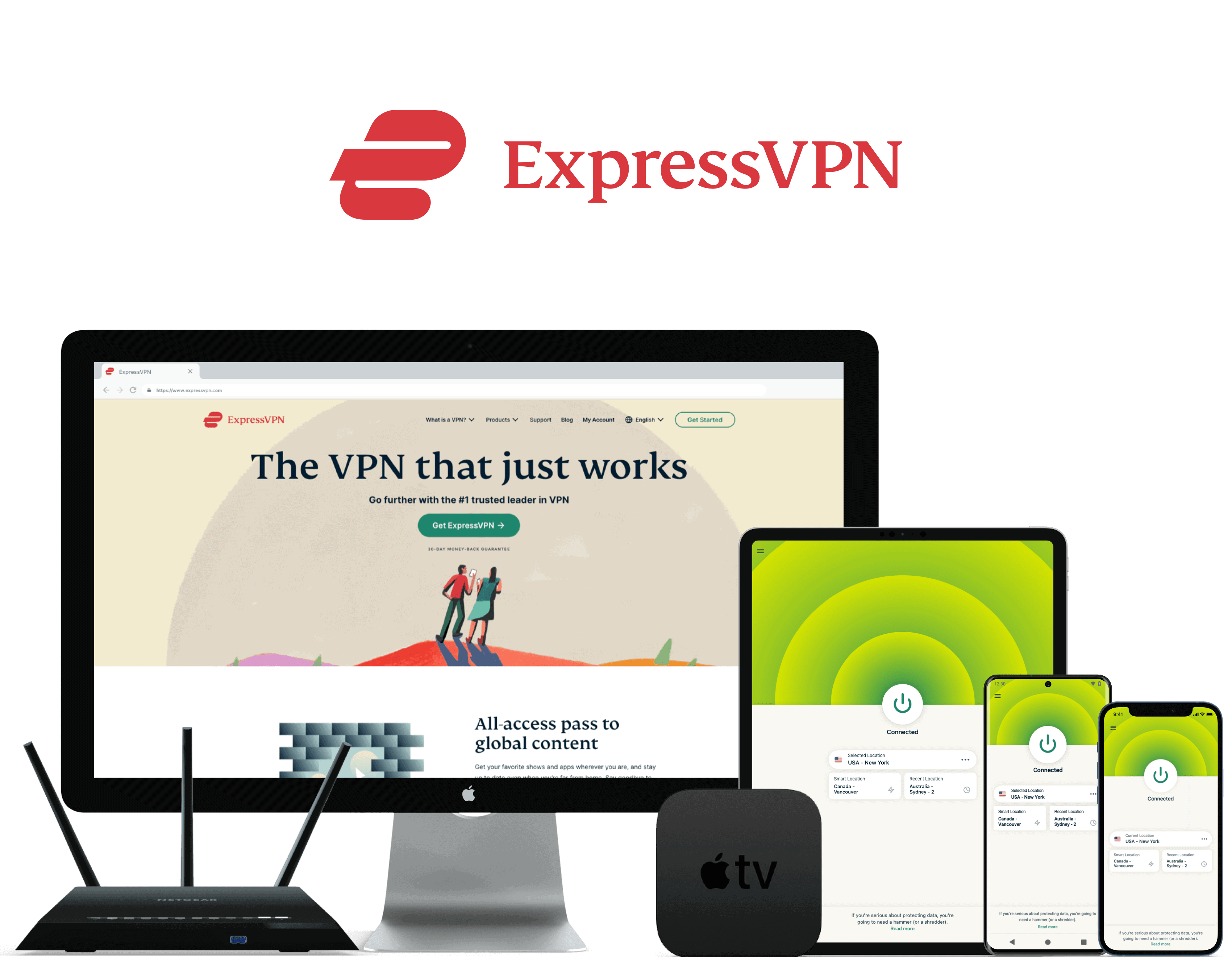
Encrypting your data adds another layer of security to your online activities. When you encrypt your data, you convert it into a code that can only be accessed with the right decryption key. This ensures that even if your data is intercepted, it cannot be read without the key. Many VPNs offer encryption as a built-in feature to further protect your personal information.
Be Cautious of Phishing Attempts
Phishing attempts are common methods used by hackers to trick individuals into revealing their personal information. These can appear as legitimate-looking emails or websites that ask for your login credentials or financial information. Always be cautious and double-check the authenticity of any requests for personal information, especially if the email or website seems suspicious or unfamiliar.
Monitor Your financial Activity
To prevent identity theft, it is crucial to regularly monitor your financial activity. Keep an eye out for any unauthorized transactions or suspicious activity on your credit card or bank statements. If you see any unfamiliar charges or withdrawals, report them immediately to your financial institution to prevent further fraud.
Secure Your Devices
Make sure to secure your devices by installing antivirus software, firewalls, and keeping them up to date with the latest security patches. Additionally, avoid downloading files or clicking on links from untrusted sources, as these may contain malware or ransomware that can compromise your personal information.
In conclusion, taking proactive steps to prevent identity theft is essential for protecting your personal information. By using a VPN, encrypting your data, being cautious of phishing attempts, monitoring your financial activity, and securing your devices, you can greatly reduce the risk of becoming a victim of identity theft.
Encrypt Your Internet Connection
When it comes to protecting your digital identity online, encrypting your internet connection is of utmost importance. No matter what type of content you are sending or receiving, whether it be personal files or medical information, encryption ensures that it remains secure and private.
One way to encrypt your internet connection is by using a Virtual Private Network (VPN) service. A VPN works by creating a secure connection between your device and the VPN server, encrypting all the data that passes through it. This means that even if someone manages to intercept your data, they won’t be able to decipher its contents.
Setting up a VPN is easy and doesn’t require any technical knowledge. Most VPN services provide user-friendly apps for various devices, including Windows, Mac, Android, and iOS. Simply install the VPN app, choose a server location, and connect. Your internet connection will then be encrypted, and all your online activities will be kept private.
It’s important to note that not all VPN services are created equal. Some VPNs may claim to encrypt your connection but actually log and store your browsing history. Therefore, it’s crucial to choose a reputable VPN provider that has been tested and proven to protect your privacy. Before choosing a VPN, it’s a good idea to check out their FAQs or customer reviews to make sure they have a no-logs policy.
In addition to encrypting your internet connection on your computer, you can also encrypt your connection on other devices, such as your mobile phone or router. Many VPN services offer apps for mobile devices, allowing you to secure your connection even while browsing on the go. For routers, most VPNs provide detailed setup guides to help you encrypt your entire home network.
In conclusion, encrypting your internet connection is an essential step in securing your online privacy. Whether you’re using public Wi-Fi networks or just want to keep your browsing history private, choosing a VPN that offers strong encryption and a no-logs policy helps to ensure that your data stays protected. So, don’t leave your digital identity vulnerable; encrypt your internet connection today!
Keep Your Personal Information Secure
In today’s digital age, protecting your personal information is more important than ever. With the constant travel of information across the internet, it’s crucial to take steps to ensure your data is secure from unwanted eyes. One effective solution is to use a Virtual Private Network (VPN).
A VPN encrypts your internet connection, effectively hiding your online activities from prying eyes. When you connect to the internet through a VPN, it creates a secure and private tunnel between your device and the VPN server. This guarantees that your personal information, such as your browsing history and sensitive data, remains protected.
Furthermore, using a VPN not only helps to secure your personal information, but it also provides additional benefits. For example, when you connect to a VPN server located in another country, you can browse the internet as if you were physically in that country. This allows you to access region-restricted content and bypass internet censorship, giving you a better online experience.
VPN services are easy to set up, usually requiring just a few simple steps. Once set up, you can use a VPN on multiple devices, such as your computer, smartphone, or tablet. This helps to ensure that your personal information is secure across all of your devices, no matter where you are or what you’re doing.
Another advantage of using a VPN is that it helps to protect your personal information when using public Wi-Fi networks. Public Wi-Fi networks are often unsecure, making it easy for hackers to intercept your data. By using a VPN, your internet traffic is encrypted, making it virtually impossible for anyone to access your personal information.
It’s important to remember that not all VPN services are created equal. It’s recommended to choose a reputable VPN provider that has been tested and has positive user reviews. Additionally, it’s essential to be aware of the limitations of VPNs. While a VPN can protect your personal information and hide your online activities, it doesn’t make you completely anonymous. It’s still important to practice good online security habits and exercise caution when sharing personal information online.
In conclusion, using a VPN is an effective way to keep your personal information secure. It encrypts your internet connection and helps to protect your sensitive data from hackers and other unwanted parties. By using a VPN, you can browse the internet with peace of mind, knowing that your personal information is safe and secure.
Avoid Government Surveillance
Government surveillance is a growing concern in our digital age. It is important to take steps to protect your privacy and keep your search history secure. While using a VPN can provide some level of protection, it is important to note that it does not guarantee complete anonymity.
When you connect to the internet, your activity can be monitored by government agencies. This includes the websites you visit, the searches you make, and even your location. A VPN makes it appear as though you are connecting from a different IP address, hiding your true identity. However, it is important to remember that VPN providers can still log your activity, so choosing a trustworthy provider is crucial.
One advantage of using a VPN is that it encrypts your data, making it much more difficult for government agencies to intercept and decipher. This can be particularly useful when using public Wi-Fi networks, as they are often less secure. By using a VPN, you can ensure that your data is encrypted and your online activities are protected.
It is worth noting that VPNs are not the only solution when it comes to avoiding government surveillance. For example, using secure websites that use HTTPS encryption can provide an additional layer of security. Additionally, using anonymous search engines and browser plugins can help protect your privacy.
While VPNs can help protect your privacy from government surveillance, it is important to remember that they are not foolproof. Government agencies have ways of tracking and identifying users, particularly if they are specifically targeted. Therefore, it is important to be cautious and mindful of your online activities, even when using a VPN.
In summary, while a VPN can provide some level of protection against government surveillance, it is important to remember that it is not a guaranteed solution. Taking additional steps such as using secure websites, anonymous search engines, and encryption protocols can further enhance your privacy and security.
Protect Your Banking Information
Your banking information is one of the most sensitive and valuable pieces of personal data that you possess. It includes your account numbers, passwords, and other details that can be used to access your funds. Protecting this information is crucial to avoid fraud and other risks.
One way you can increase the security of your banking information is by using a VPN. A VPN, or virtual private network, encrypts your internet connection, making it much more difficult for anyone to intercept and access your data.
When you travel or use public Wi-Fi networks, your banking information becomes more vulnerable. Hackers can easily intercept unencrypted data on these networks, putting your financial security at risk. By using a VPN, you can keep your connection secure and your information encrypted, even when using public Wi-Fi.
Choosing a VPN that is privacy-focused and secure is essential. Make sure that the VPN you choose does not collect or log your browsing history or personally identifiable information. It’s also important to choose a VPN that has been tested and proven to protect against leaks and vulnerabilities.
Another benefit of using a VPN to protect your banking information is that it masks your IP address. When you connect to a VPN, your IP address is hidden and replaced with the IP address of the VPN server. This makes it much more difficult for someone to trace your online activities back to you, adding an extra layer of security.
Overall, using a VPN is an effective way to protect your banking information. It encrypts your connection, masks your IP address, and adds an extra layer of security to your online activities. Don’t take the risk of leaving your banking information exposed – turn to a VPN for a safer browsing experience.
Ensure Online Anonymity
When you play online games or visit various websites, it’s important to ensure your online anonymity. There are many kinds of tracking and monitoring activities happening on the internet, from government surveillance to data collection by websites and ISPs. To protect your privacy and keep your online activities secure, using a Virtual Private Network (VPN) can be an effective solution.
A VPN hides your IP address and encrypts your internet traffic, making it difficult for anyone to track or collect information about your online activities. It acts as a secure tunnel between your device and the VPN server, removing any traceable references to your actual location. This helps you stay anonymous online, as your real IP address and geolocation are masked.
VPNs come in different types and there are many VPN service providers available. It’s always good to do some research and choose a reliable VPN service that suits your needs. Most VPNs can be easily installed on various devices, including Windows, Mac, iOS, and Android. They also offer apps for mobile devices, so you can protect your privacy wherever you go.
One of the main benefits of using a VPN is that it helps to keep your search history clear. When you use a VPN, your internet traffic is encrypted and routed through the VPN server, making it nearly impossible for anyone to track or collect information about your online activities. This includes your search histories, visited websites, and even downloaded files.
VPNs are also helpful in dealing with geolocation restrictions. Many websites or online services are only available in certain countries or regions. By using a VPN, you can bypass these restrictions and access the content from wherever you are. The VPN server will provide you with a new IP address from a different location, so it appears as if you are browsing from that specific country or region.
It’s important to note that while using a VPN is legal in most countries, there are some types of activities that are considered illegal, such as downloading copyrighted material or engaging in cybercrime. Always make sure to use a VPN responsibly and abide by the laws of your country.
In conclusion, ensuring online anonymity is crucial in today’s internet-driven world. Using a VPN helps to hide your online activities from prying eyes, whether it’s government surveillance, ISPs, or even hackers. By encrypting your internet traffic and masking your IP address, a VPN provides a secure and anonymous browsing experience.
Protect Your Social Media Accounts
Social media has become an integral part of our lives, allowing us to connect with friends, share photos, and express ourselves. However, with the increasing amount of personal information we share on these platforms, it’s important to protect our social media accounts from unauthorized access.
Choose strong and unique passwords: One of the basic steps to protect your social media accounts is to create strong and unique passwords. Avoid using common passwords or personal information that can be easily guessed.
Enable two-factor authentication: Another important security measure is to enable two-factor authentication (2FA) for your social media accounts. This adds an extra layer of security by requiring a verification code, usually sent to your mobile device, in addition to your password.
Be cautious of phishing attempts: Phishing is a common method used by hackers to trick users into revealing their login credentials. Be wary of suspicious emails or messages that ask you to provide personal information or click on unfamiliar links.
Manage your privacy settings: Take the time to review and adjust the privacy settings on your social media accounts. Limit the visibility of your posts and profile to only your desired audience, and be cautious about the information you share publicly.
Use a VPN for added security: Using a virtual private network (VPN) can greatly enhance the security of your social media accounts. A VPN encrypts your internet traffic, making it difficult for anyone to intercept or access your data. It also masks your IP address, ensuring your online activities remain private.
Watch out for third-party apps: Be careful when granting access to third-party apps on your social media accounts. Some apps may collect and sell your personal data without your knowledge. Read the permissions carefully and only install trusted apps from reputable sources.
Stay informed and up-to-date: Keep yourself informed about the latest security threats and best practices for protecting your social media accounts. Regularly update your apps, operating system, and antivirus software to stay protected against new vulnerabilities.
Monitor your account activity: Regularly check your social media account activity for any suspicious or unauthorized access. If you notice any unfamiliar login attempts or unusual activity, take immediate action to secure your account and change your password.
Report any abuse or harassment: If you encounter any abusive or harassing behavior on social media, make sure to report it to the platform. This helps protect not only yourself but also others from similar incidents.
By following these steps, you can greatly increase the security of your social media accounts and protect your personal information from falling into the wrong hands. Remember, it’s better to be proactive in safeguarding your accounts than to deal with the consequences of unauthorized access.
Safeguard Your Digital Footprint
Your online activities leave behind a digital footprint that can reveal a lot about you. It doesn’t matter if you’ve been browsing using the privacy mode or incognito mode in your web browsers, your internet service provider (ISP) can still see your browsing history. This is where a VPN (Virtual Private Network) can play a crucial role in protecting your digital footprint.
With a VPN, you can effectively mask your identity and protect your browsing history from being collected by ISPs, government agencies, or other companies. The VPN works by routing your internet traffic through encrypted servers, making it difficult for anyone to see what websites you visit or what you do online.
Choosing the right VPN service is important to make sure you have the necessary security and privacy measures in place. There are different types of VPNs available, so it’s essential to choose one that suits your specific needs. Some VPNs guarantee a strict no-logging policy, meaning they don’t collect any information about your online activities. Others may collect certain data but promise not to sell or share it with anyone else.
When using a VPN, you can also protect your digital footprint while using public Wi-Fi networks. These networks are often risky and prone to data theft. By using a VPN, you can encrypt your internet connection, making it much more difficult for anyone to intercept your data and steal it.
If you’re concerned about your overall privacy and want to safeguard your digital footprint, using a VPN is a great step in the right direction. By masking your identity and encrypting your internet traffic, you can better protect your personal and sensitive information. With a VPN, you can also choose servers located in different countries, which can help you bypass geo-restricted content and access a wider range of online services and platforms.
Benefits of Using a VPN to Protect Your Digital Footprint:
- Ensures your online activities are private and secure
- Protects your personal and sensitive information from hackers and data thieves
- Bypasses geo-restrictions and access restricted content
- Allows you to browse the internet anonymously
- Encrypts your internet connection for added security
- Compatible with various devices and operating systems
- Offers different servers in multiple locations
In conclusion, safeguarding your digital footprint is crucial in today’s online world. A VPN can help you protect your privacy and keep your search history secure. By following the instructions provided by the VPN company and choosing the right VPN service, you can effectively mask your identity and make sure your online activities remain private. Take control of your digital footprint and enjoy a safer and more secure online experience!
Prevent Online Tracking
When you browse the internet, you leave a digital footprint that can be tracked and stored by various companies, websites, and online platforms. This information can be used to target you with personalized ads, sell your data to third parties, or even track your online activities without your consent. However, by using a VPN (Virtual Private Network), you can prevent online tracking and protect your privacy.
How Does Online Tracking Work?
Online tracking is possible through the use of cookies, IP addresses, and other tracking technologies. These tools allow companies and websites to monitor your online behavior, track your searches, and collect information about your habits and preferences. This data can then be used to create detailed profiles about you and your interests.
Why Should You Protect Your Search History?
Your search history reveals a lot about you – your interests, preferences, and even personal information. By protecting your search history, you can prevent companies from collecting and storing this data. This helps to ensure that your personal information remains private and that you have control over how your data is used.
How Does a VPN Help?
A VPN encrypts your internet traffic and routes it through a secure server before it reaches its final destination. This not only hides your IP address, but it also masks your online activities, making it difficult for anyone to track your browsing history or identify your online identity. With a VPN, your internet connection becomes more secure, and your online activities remain private.
Choosing a Good VPN
When looking for a VPN, choose one that has a strong encryption protocol and a strict no-logs policy. This means that the VPN service provider does not collect or store any information about your online activities. Additionally, make sure that the VPN has a wide network of servers in various locations, as this will help to ensure fast and reliable connections.
The Benefits of Using a VPN
Using a VPN not only protects your search history and prevents online tracking, but it also offers other benefits. For instance, a VPN can help you bypass geo-restrictions and access content that is not available in your region. It can also protect your personal information from hackers and provide an extra layer of security when using public Wi-Fi networks.
In conclusion, preventing online tracking is essential to protect your privacy and keep your search history secure. By using a VPN, you can encrypt your internet traffic, hide your IP address, and prevent companies from collecting and selling your data. Overall, a VPN is a valuable tool for protecting your online identity and ensuring that your personal information remains private.
Defeat Website Cookies
Website cookies are small pieces of data that are stored on your computer or mobile device when you visit a website. They can be used for various purposes, such as remembering your preferences, tracking your browsing habits, or serving targeted advertisements. However, these cookies can also pose privacy and security risks, as they can track your online activities and collect personal information without your consent.
Types of Website Cookies
There are different kinds of website cookies that can be used for different purposes. Some cookies are necessary for the website to function properly, while others are used for advertising, analytics, or tracking. Regardless of their purpose, it’s important to be aware of the types of cookies that websites use and how they can potentially affect your privacy and security.
The Security Risks
Website cookies can increase the risk of your personal information being compromised. Hackers may exploit vulnerabilities in cookies to gain unauthorized access to your accounts or steal sensitive information. Moreover, some cookies may track your browsing habits and collect data about you, which could be used for targeted advertising or even sold to third parties without your consent.
How a VPN Can Help
A VPN, or Virtual Private Network, can help protect your privacy by encrypting your internet connection and hiding your IP address. It works by routing your internet traffic through a remote server, which makes it difficult for websites and online services to track your online activities. By using a VPN, you can prevent websites from tracking your browsing habits through cookies, thus enhancing your online privacy and security.
Additional Steps You Can Take
In addition to using a VPN, there are other steps you can take to defeat website cookies and enhance your online privacy. For example, you can regularly clear your browser’s cache and cookies, use private browsing modes, or disable third-party cookies. You can also install browser extensions or add-ons that block or manage cookies. By taking these extra precautions, you can further protect your privacy and reduce the amount of data that websites collect about you.
In Summary
Website cookies can pose privacy and security risks, as they can track your online activities and collect personal information. However, by using a VPN and taking other precautions, such as clearing your browser’s cache and cookies, you can defeat website cookies and increase your online privacy and security. Remember to stay vigilant and prioritize your privacy when browsing the internet.
Keep Your Travel Plans Private

When planning your travel, it’s important to keep your personal information and travel details private. By using a VPN, you can ensure that your browsing activity and online presence are effectively masked and encrypted. This means that no one else, not even your internet service provider or Google, can see what you’re doing online.
Installing a VPN on your computer or mobile device is a good idea if you want to keep your travel plans secure. VPNs use a special kind of protocol that encrypts your data, making it unreadable to anyone who may be trying to intercept it. This is especially important when you’re using public Wi-Fi networks, as these are often risky and can leave your personal information vulnerable.
By encrypting your internet traffic, a VPN effectively hides your IP address and encrypts your online activity. This means that even if someone does manage to intercept your data, they won’t be able to see what you’re sending or accessing online. Your private information, such as credit card numbers, medical references, and travel deals, are kept safe and secure.
Not only does a VPN keep your travel plans private, but it also ensures that your browsing history is kept private as well. With a VPN, your internet service provider and other third parties are unable to collect and store information about your online activity. This helps to protect against identity theft and keeps your personal information safe.
So, if you want to keep your travel plans private and secure, consider using a VPN. With its ability to encrypt your internet traffic and mask your online presence, you can browse the web confidently and securely. No one else will be able to see what you’re doing online, leaving you free to book your trips, find the best deals, and plan your adventures without worrying about the privacy of your personal information.
Secure Your Online Transactions
Your online transactions can be vulnerable to security breaches and the theft of sensitive information. It is essential to take steps to ensure the security of your transactions and protect your personal and financial data.
Using an encrypted connection is crucial when making online transactions. SSL/TLS encryption technology ensures that the data you transmit is securely sent over the internet and cannot be intercepted or decrypted by unauthorized parties.
When downloading software or files for online transactions, it is important to ensure that they come from trusted sources. Decrypting files from untrustworthy sources can expose your computer to malware or spyware that can steal your personal data and compromise the security of your transactions.
It is also advisable to use a VPN (Virtual Private Network) when conducting online transactions. A VPN encrypts your internet connection and masks your IP address, making it difficult for anyone to track your online activities and collect identifiable information.
In addition to using a VPN, employing strong security measures such as two-factor authentication can further enhance the security of your online transactions. By requiring an additional authentication method, such as a generated code sent to your mobile device, you add an extra layer of protection to your accounts.
It is important to be aware of the limitations of security measures implemented by various platforms. While these measures can help protect your transactions, they may not be foolproof. For example, using a VPN can help block your employer or ISP from accessing your online activities, but it may not fully hide your browsing history from the VPN provider itself.
Another consideration when securing your online transactions is to be cautious about the information you share on social media and other online platforms. Avoid posting personally identifiable information that could be used by someone else to answer security questions or gain unauthorized access to your accounts.
Moreover, when making online transactions, it is essential to be cautious of phishing scams and fraudulent websites. Look for the “https” protocol and a padlock symbol in the address bar to ensure the website is secure. Avoid entering your personal or financial information on suspicious websites.
In conclusion, securing your online transactions is crucial to protect your personal and financial data. Utilize encryption technologies, VPNs, and strong security measures to enhance the security of your transactions. Be cautious about sharing personal information online and avoid interacting with suspicious websites or emails. By following these practices, you can help ensure the privacy and security of your online transactions.
Stay Connected Anywhere
Whether you are at home, in the office, or traveling, staying connected is essential in today’s digital world. However, it is important to be cautious about the potential risks that come with it. By using a VPN, you can check emails, access websites, and connect to Wi-Fi networks without compromising your privacy.
When you connect to the internet, your ISP and other third-party entities can see your browsing history. This information can be collected and used to target you with advertisements, sell your personal data, or even be accessed by someone else. A privacy-focused VPN helps to protect your data by encrypting your internet connection and hiding your IP address, making it difficult for anyone to see your online activities.
One of the reasons why VPNs are so popular is their ability to hide your search history. Instead of your ISP or employer being able to see the websites you visit, a VPN masks your online activities by routing your internet traffic through a secure server. This means that even if someone were to intercept your data, they would only see encrypted information that is virtually impossible to decipher.
Moreover, a VPN is also a great solution when you are using public Wi-Fi networks, such as those in coffee shops or airports. Connecting to these networks without protection can be risky, as cybercriminals can easily intercept your data. However, by installing a VPN on your devices, you can browse the internet with peace of mind, knowing that your data is being encrypted and protected.
Another great benefit of using a VPN is that it allows you to access geo-restricted content. Many websites and streaming platforms have region-based restrictions, meaning that certain content may only be available in specific countries. By connecting to a server in another location, you can bypass these restrictions and access content that would otherwise be unavailable to you.
In conclusion, staying connected is easier and better with a VPN. It not only helps to protect your privacy and secure your search history, but it also allows you to access geo-restricted content and browse the internet without worrying about data interception. Whether you are at home, at work, or traveling, choosing a reliable VPN is a wise decision to ensure your online safety and freedom.
Вопрос-ответ:
What is a VPN and how does it protect my privacy?
A VPN, or Virtual Private Network, is a service that allows you to create a secure connection to another network over the Internet. It encrypts your internet traffic and hides your IP address, making it difficult for anyone to track your online activities or access your personal information.
Can a VPN secure my search history?
Yes, a VPN can help secure your search history. By encrypting your internet traffic, a VPN ensures that your search queries and browsing activities are hidden from prying eyes. This means that even your Internet Service Provider or other malicious actors won’t be able to see what you search for online.
Are all VPNs equally secure?
No, not all VPNs are equally secure. The level of security offered by a VPN depends on factors such as the encryption protocols used, the logging policy of the VPN provider, and the jurisdiction in which the provider operates. It’s important to choose a reputable VPN provider that prioritizes user privacy and uses strong encryption to protect your data.
Can I use a VPN to access geo-restricted content?
Yes, using a VPN can help you access geo-restricted content. By connecting to a server in a different country, your IP address is masked and websites or streaming platforms may think you’re accessing their content from that country. This allows you to bypass region-based restrictions and access content that may be blocked in your actual location.
Is it legal to use a VPN?
In most countries, using a VPN is legal. However, there are some exceptions where VPN usage may be restricted or regulated. For example, in countries with strict censorship policies, the use of VPNs may be more heavily controlled or even prohibited. It’s important to familiarize yourself with the laws and regulations regarding VPN usage in your country to ensure you’re in compliance with the local rules.
Видео:
STOP using a VPN – You don’t really need it!
STOP using a VPN – You don’t really need it! by Liron Segev 1 year ago 5 minutes, 55 seconds 621,717 views
Stop using VPNs for privacy.
Stop using VPNs for privacy. by Wolfgang’s Channel 3 years ago 7 minutes, 32 seconds 2,460,492 views
